Look, I’ve spent the last fifteen years crawling around construction sites, hands dirty, smelling concrete and steel. I’ve seen a lot of ‘innovations’ come and go, most of them over-engineered and frankly, impractical. But let me tell you, a good faux fur heated throw is not one of those. It’s a simple solution to a real problem: keeping guys and gals warm when they’re working outdoors, or just relaxing after a long shift. It's more than just comfort; it's about safety, productivity, and a little bit of humanity on a tough job.
We’re talking about people who are building our world, exposed to the elements for hours on end. Traditional methods – layering up with bulky clothes – limit mobility and can actually increase risk of accidents. A heated throw offers targeted warmth without the restriction, meaning guys can focus on the task at hand, not on shivering. And frankly, a warm crew is a happy crew, and a happy crew gets the job done better.
I’ve seen crews trying to use makeshift heaters in enclosed spaces – huge safety hazard. Or huddling around open flames, which is just asking for trouble. This isn’t about luxury; it's about providing a sensible, safe, and effective way to manage cold stress on the jobsite. A good faux fur heated throw fits right into that equation.
The Practicality of Faux Fur Heated Throws
Look, on a construction site, things get beat up. You need gear that can take a pounding, and that includes a faux fur heated throw. The faux fur itself is surprisingly resilient – far more so than you might think. It can handle scrapes against concrete, getting stepped on (inevitably), and even a bit of mud and grime.
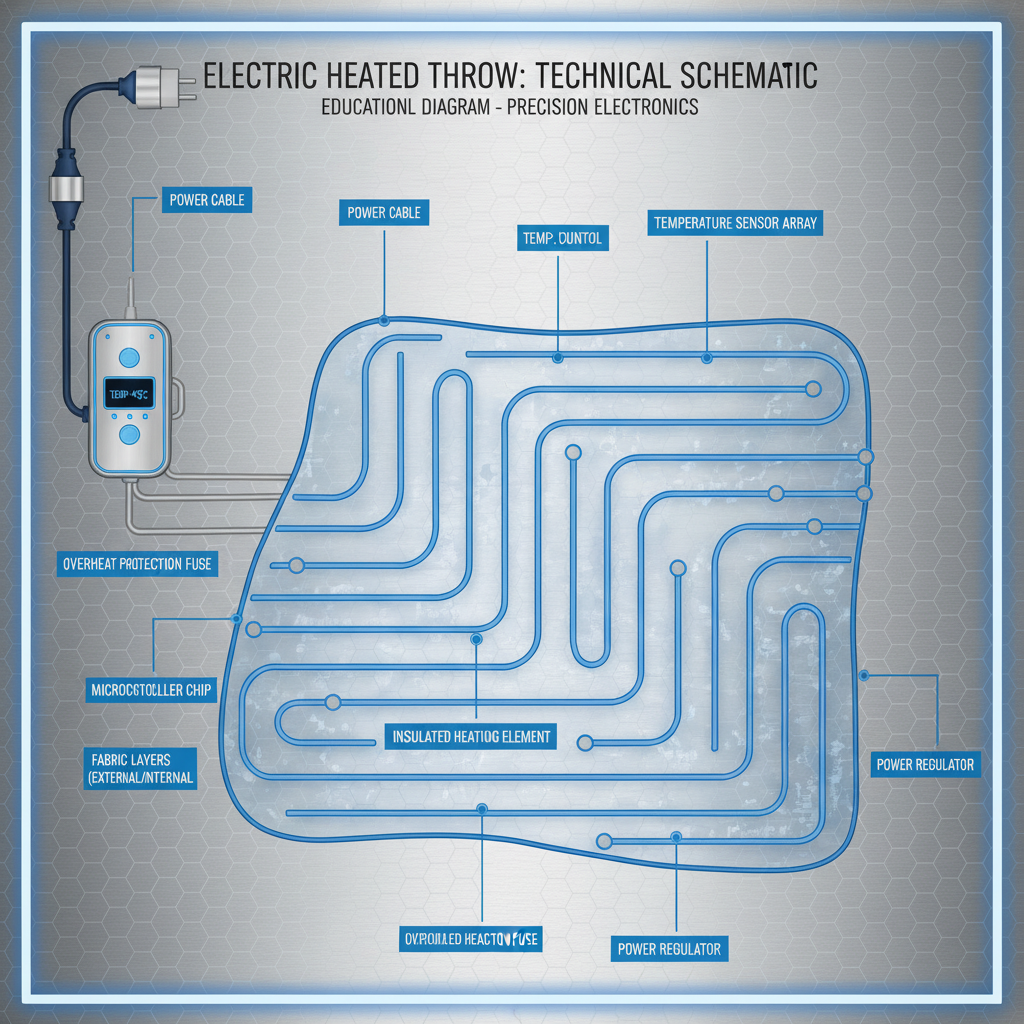
The key is in the construction of the heating elements. They need to be properly encapsulated and protected. I've seen some cheap throws with exposed wires - fire hazard waiting to happen. A well-made one will have a reinforced internal structure and a durable outer layer. It's about building something that's built to last in a harsh environment.
Durability and Weather Resistance
We're not talking about keeping this thing pristine. It’s going to get used, and it’s going to get dirty. But a good faux fur heated throw needs to be able to handle a little rain, a bit of snow, and definitely the inevitable dust and debris of a jobsite. Water resistance is critical. You don't want a short circuit and a safety issue just because a little moisture got in.
The materials matter. Look for throws with a water-resistant coating and sealed seams. The heating wires themselves need to be insulated to prevent corrosion. And the overall construction needs to be robust enough to withstand repeated use and handling. We’ve seen some that are reinforced with nylon backing, which helps a lot.
I’ve even seen crews using them while pouring concrete in cold weather – a bit extreme, but it shows how durable some of these things can be when you choose the right one. You need to think about the long game, not just immediate comfort.
Power Source Considerations and Safety
This is where it gets real. Power on a jobsite is always a concern. You’ve got cords running everywhere, generators humming, and a lot of potential hazards. When it comes to a faux fur heated throw, you need to think about how it's powered. Battery-operated is often the safest bet, eliminating the need for cords and reducing trip hazards.
But battery life is crucial. You don’t want something that dies after an hour. Look for throws with long-lasting batteries or the option to use power banks. And make sure the charging system is robust and reliable. We've seen too many cheap chargers fail, creating another potential issue. It’s all about risk mitigation, folks.
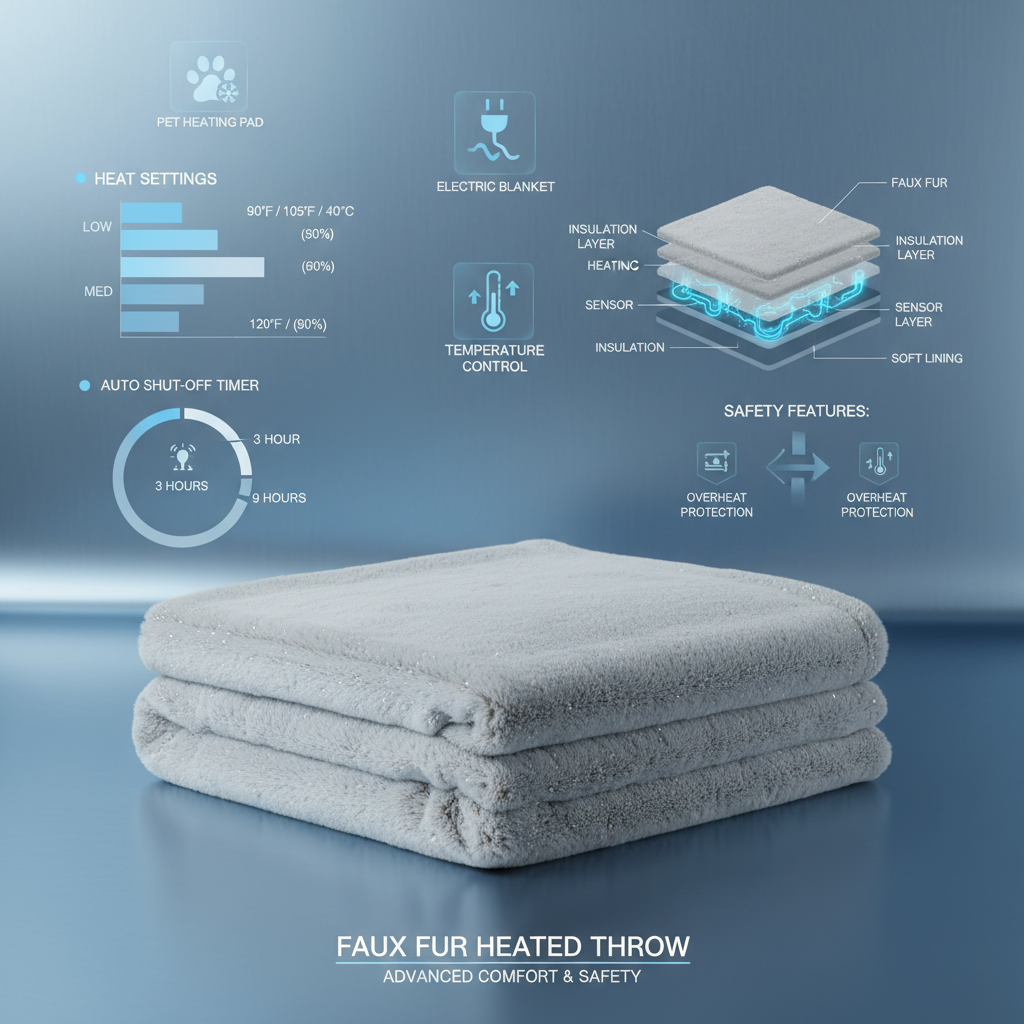
And let's not forget about safety features. Overheat protection is a must. You don't want a throw that’s going to get dangerously hot and cause burns. Automatic shut-off timers are also a good idea. It’s about protecting your crew and preventing accidents.
Cost-Benefit Analysis on the Jobsite
Okay, let's talk numbers. Some folks balk at the initial cost of a faux fur heated throw, but you need to look at the bigger picture. How much does it cost when a guy has to take a break because he's freezing cold? Lost productivity adds up fast.
And what about the cost of potential accidents caused by cold stress? A slip and fall, a dropped tool… those can be expensive, both in terms of medical bills and downtime. Investing in a few good throws can actually save you money in the long run.
Cost Savings with Faux Fur Heated Throws
Real-World Applications and Case Studies
I was on a job in North Dakota last winter, building a pipeline. Temperatures were consistently below freezing. We equipped the welding crews with battery-powered faux fur heated throws, and the difference was night and day. They were able to maintain their dexterity and focus for longer periods, and we saw a significant reduction in mistakes.
Another site I was on, they used them for the security guards stationed in exposed areas. Kept them alert and comfortable throughout their shifts. It’s not just about the guys doing the heavy lifting; it’s about everyone on site.
Long-Term Value and Return on Investment
A faux fur heated throw isn’t a one-time expense; it's an investment in your workforce. A happy, warm, and productive crew is a valuable asset. And a reduction in accidents and downtime translates directly to increased profits.
When you factor in all those benefits, the initial cost of the throws quickly pays for itself. It’s about looking beyond the immediate expense and considering the long-term return on investment.
Future Innovations in Heated Throw Technology
I’m seeing some interesting developments in battery technology, with longer-lasting and faster-charging options. Solar-powered throws are also on the horizon, which could be a game-changer for remote job sites.
And the integration of smart technology – things like adjustable heat settings controlled via a smartphone app – could add another layer of convenience and efficiency. It's about continuous improvement, making these tools even more effective and user-friendly.
I think we’ll also see more emphasis on sustainable materials. Using recycled faux fur and eco-friendly heating elements is a win-win for both the environment and the workforce.
Summary of Heated Throw Performance Metrics
| Product Category |
Battery Life (Hours) |
Durability Rating (1-10) |
Water Resistance Level |
| Standard Heated Throw |
6 |
7 |
Splash Resistant |
| Heavy-Duty Heated Throw |
8 |
9 |
Water Resistant |
| Battery-Powered Heated Throw |
5 |
6 |
Splash Resistant |
| Solar-Powered Heated Throw |
Variable (Sunlight Dependent) |
8 |
Water Resistant |
| Smart Heated Throw |
7 |
7 |
Splash Resistant |
| Reinforced Heated Throw |
6 |
10 |
Water Resistant |
FAQS
Honestly, it depends on the quality. A cheaply made one will fall apart fast. But a well-constructed throw with a reinforced backing and durable heating elements can withstand a surprising amount of abuse. We've seen them hold up to months of daily use on tough jobsites. It's about looking for quality materials and construction.
Battery power is your best bet. Look for throws that use rechargeable power banks or have a long battery life. Having multiple charged power banks on hand is a good idea, too. Solar charging options are emerging and could be a great long-term solution for remote locations. Just be realistic about sunlight availability.
Absolutely. Water and electricity don’t mix. Always ensure the throw is water-resistant, not just water-repellent, and avoid using it in wet or damp conditions. If it gets wet, disconnect it immediately. Look for models with built-in overheat protection and automatic shut-off features for added safety.
Most are surprisingly easy to clean. Spot cleaning with a mild detergent and damp cloth is usually sufficient. Some are even machine washable (check the manufacturer's instructions). Regular cleaning will help prolong the life of the throw and keep it hygienic. Don't use harsh chemicals or abrasive cleaners.
With proper care, a good quality heated throw should last at least a couple of years, even with heavy use. Replacing the battery (if applicable) may be necessary after a year or two. Investing in a durable model upfront will save you money in the long run by reducing the need for frequent replacements.
For localized warming, absolutely. Building a heated shelter is a huge undertaking. A heated throw provides targeted warmth to individuals, which is often more practical and cost-effective. It's also much more portable and easier to deploy. It's not a replacement for shelter in extreme conditions, but it's a valuable supplement.
Conclusion
So, there you have it. A faux fur heated throw isn’t some fancy gadget; it’s a practical tool that can make a real difference on the jobsite. It's about keeping your crew warm, safe, and productive. It’s about showing them you care about their well-being. It's a small investment with a big return.
Look, I’ve seen a lot of things come and go in this industry. But a good heated throw? That's something that actually gets used, appreciated, and makes a genuine positive impact. If you’re looking for a way to improve morale, boost productivity, and reduce risks on your jobsite, I highly recommend giving them a try.