The comforting embrace of a warm blanket throw is a universal need, transcending cultures and climates. More than just a source of physical warmth, these blankets provide a sense of security, comfort, and well-being. Understanding the nuances of warm blanket throws—from material composition and construction to their diverse applications—is increasingly vital in a world grappling with everything from personal comfort to emergency relief efforts. The evolution of warm blanket throws mirrors broader trends in textile technology and sustainability.
Globally, the demand for effective and affordable warmth solutions is substantial. According to the UN Refugee Agency (UNHCR), millions are displaced annually, requiring immediate shelter and provisions, including blankets. Beyond humanitarian crises, even in developed nations, the desire for cozy and comforting home goods remains strong, driving a significant market for premium and specialized warm blanket throws. This creates a complex landscape where quality, cost-effectiveness, and ethical sourcing are all critical considerations.
The provision of adequate warmth isn’t merely about physical survival; it's about preserving dignity and fostering a sense of normalcy in challenging circumstances. This is especially true in disaster relief, where a simple warm blanket throw can offer a vital emotional anchor. The accessibility and versatility of these items make them a cornerstone of preparedness plans for individuals, organizations, and governments alike.
Defining the Essentials of warm blanket throw
A warm blanket throw, at its most basic, is a portable covering designed to provide warmth and comfort. It differs from a standard bed blanket in its intended use - primarily for draping over the body while resting or relaxing, rather than as a primary bedding component. This means portability and ease of use are paramount.
Its connection to modern needs is deeply rooted in our desire for comfort and security. The industry has expanded significantly to include specialized throws designed for specific environments and purposes, from emergency relief (lightweight, space-saving blankets) to luxury home goods (high-end materials, intricate designs). This reflects a growing awareness of the emotional and psychological benefits of tactile comfort.
Global Relevance and Market Dynamics of warm blanket throw
The global market for blankets, including warm blanket throws, is a multi-billion dollar industry, driven by both essential needs and discretionary spending. The demand is particularly high in colder climates, and during periods of natural disaster. However, the market is increasingly segmented by consumer preferences for materials, designs, and functionalities.
Consider the challenges presented by climate change and increasing frequency of extreme weather events. These events necessitate a rapid and efficient distribution of emergency supplies, where warm blanket throws play a critical role. Organizations like the International Federation of Red Cross and Red Crescent Societies (IFRC) rely heavily on these items for disaster response.
Furthermore, the rise of e-commerce has drastically altered the distribution landscape, making it easier than ever for consumers to access a wide variety of blanket options, fueling demand and innovation within the industry. Manufacturers are responding by focusing on sustainable materials and production practices to appeal to environmentally conscious consumers.
Core Components and Material Science of warm blanket throw
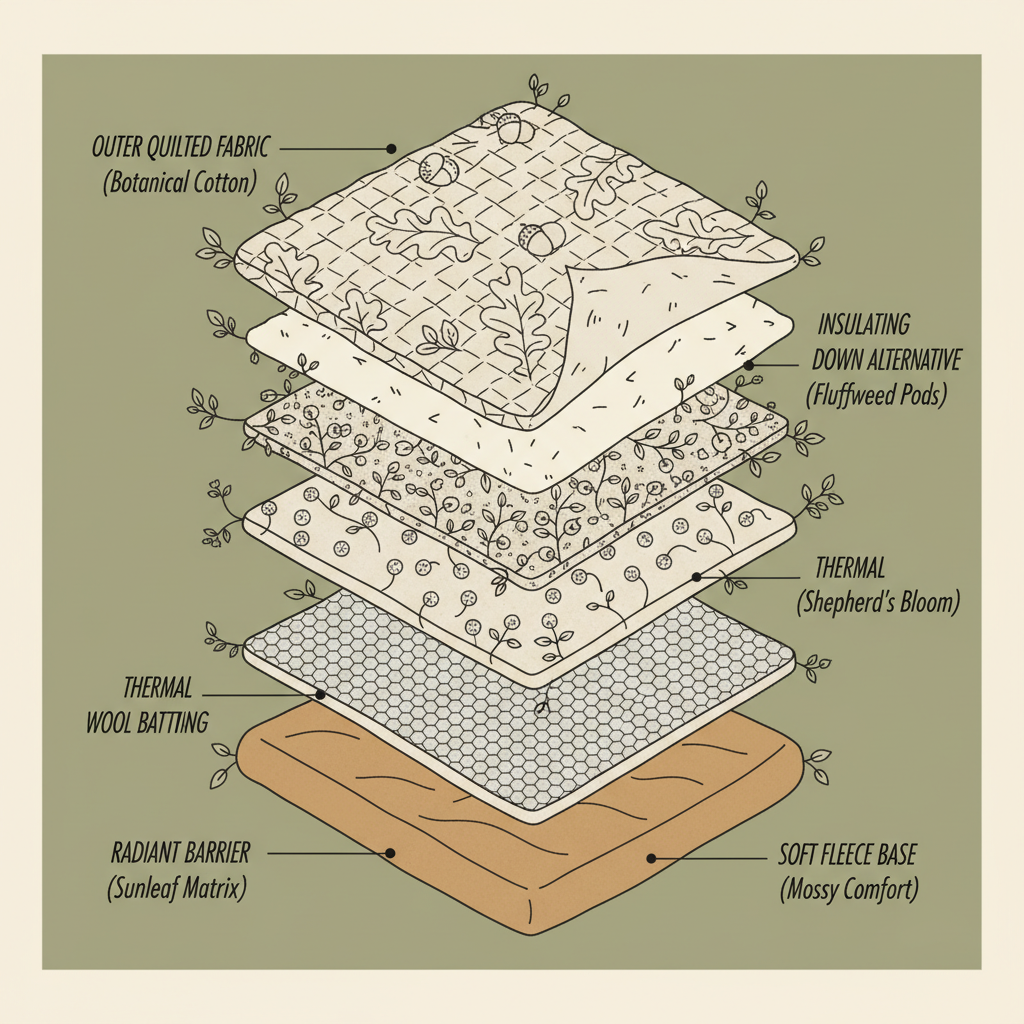
The core of any warm blanket throw lies in its material composition. Traditional materials include wool, cotton, and synthetic fibers like polyester and acrylic. Wool offers excellent warmth and breathability but can be expensive and require specialized care. Cotton is more affordable and easier to clean, but less warm than wool. Synthetics provide a balance of cost, durability, and ease of maintenance.
Modern innovations are introducing new materials, such as microfleece, sherpa, and even recycled fabrics. Microfleece is known for its softness and lightness, while sherpa offers a plush, wool-like texture. The use of recycled materials aligns with growing sustainability concerns, reducing the environmental impact of blanket production. The thermal properties of each material significantly affect the overall warmth and comfort of the warm blanket throw.
Beyond the primary fabric, the construction method—knitting, weaving, or quilting—also impacts performance. Knitted blankets are often softer and more flexible, while woven blankets are typically more durable. Quilting adds an extra layer of insulation and can create decorative patterns.
Key Factors Influencing warm blanket throw Performance
Several factors determine the effectiveness and overall quality of a warm blanket throw. These include thermal resistance (R-value), weight, size, and washability. Thermal resistance measures a material’s ability to prevent heat loss; a higher R-value indicates greater warmth.
Weight and size are crucial for portability and usability. A lightweight and easily foldable blanket is ideal for travel or emergency situations, while a larger blanket may be preferred for cozying up at home. Washability is also important, ensuring the blanket can be easily cleaned and maintained.
warm blanket throw Performance Comparison
Practical Applications of warm blanket throw Worldwide
The applications of a warm blanket throw are incredibly diverse. In post-disaster relief operations, they provide immediate warmth and comfort to those displaced from their homes. They are standard issue items in emergency preparedness kits, serving as a vital component of survival gear.
Beyond emergency situations, warm blanket throws are widely used for everyday comfort—draping over sofas, providing warmth during travel, or simply enjoying a cozy night in. They are also frequently utilized in healthcare settings to provide comfort to patients and prevent hypothermia.
Advantages and Sustainable Value of warm blanket throw
The tangible benefits of warm blanket throws are numerous. Cost-effectiveness, especially for basic models, makes them accessible to a wide range of consumers and organizations. Durability, particularly with high-quality materials, ensures a long lifespan, reducing the need for frequent replacements.
However, the value extends beyond mere practicality. The emotional comfort and sense of security a warm blanket provides contribute to overall well-being. Increasingly, sustainable materials and ethical production practices are adding a new layer of value, appealing to consumers who prioritize environmental and social responsibility.
The reliability of providing consistent warmth, combined with their portability and versatility, solidify warm blanket throws as an essential item in various contexts, from personal use to large-scale humanitarian efforts.
Future Trends and Innovation in warm blanket throw
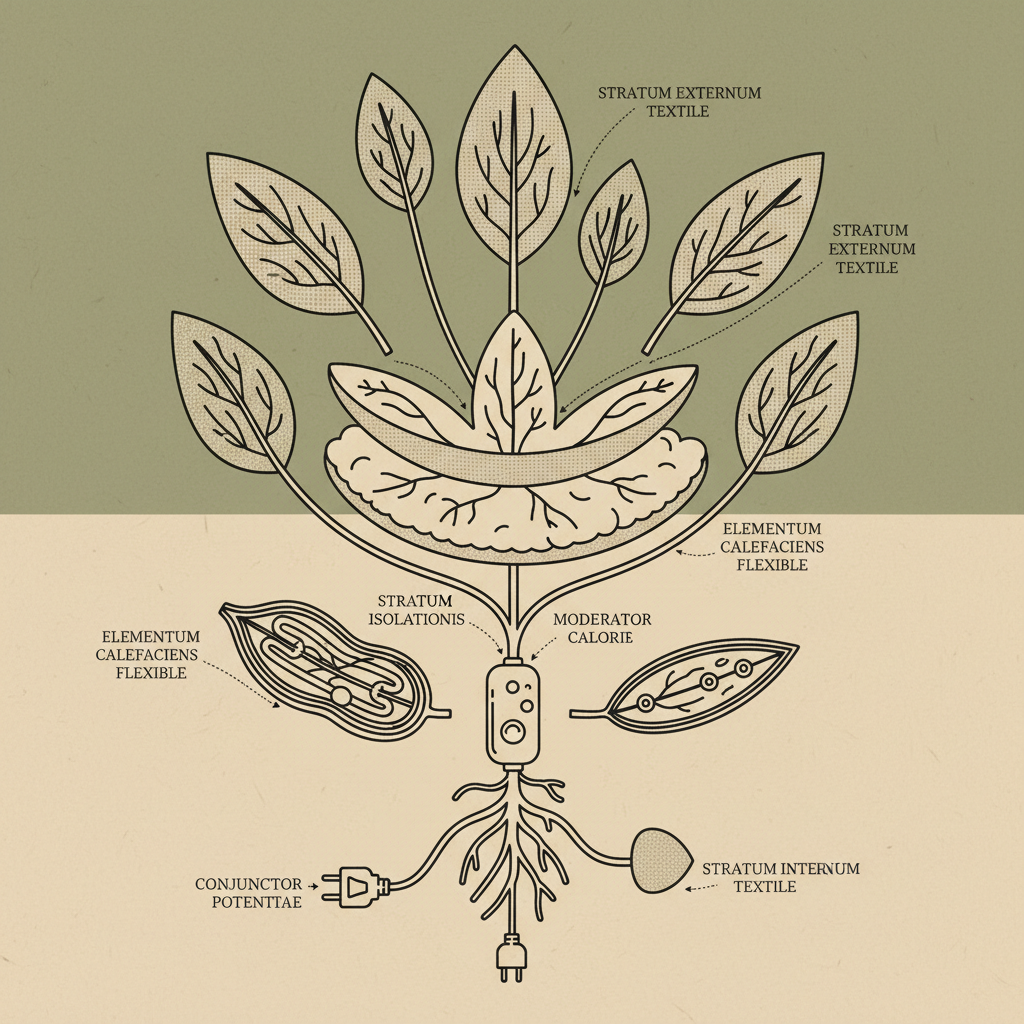
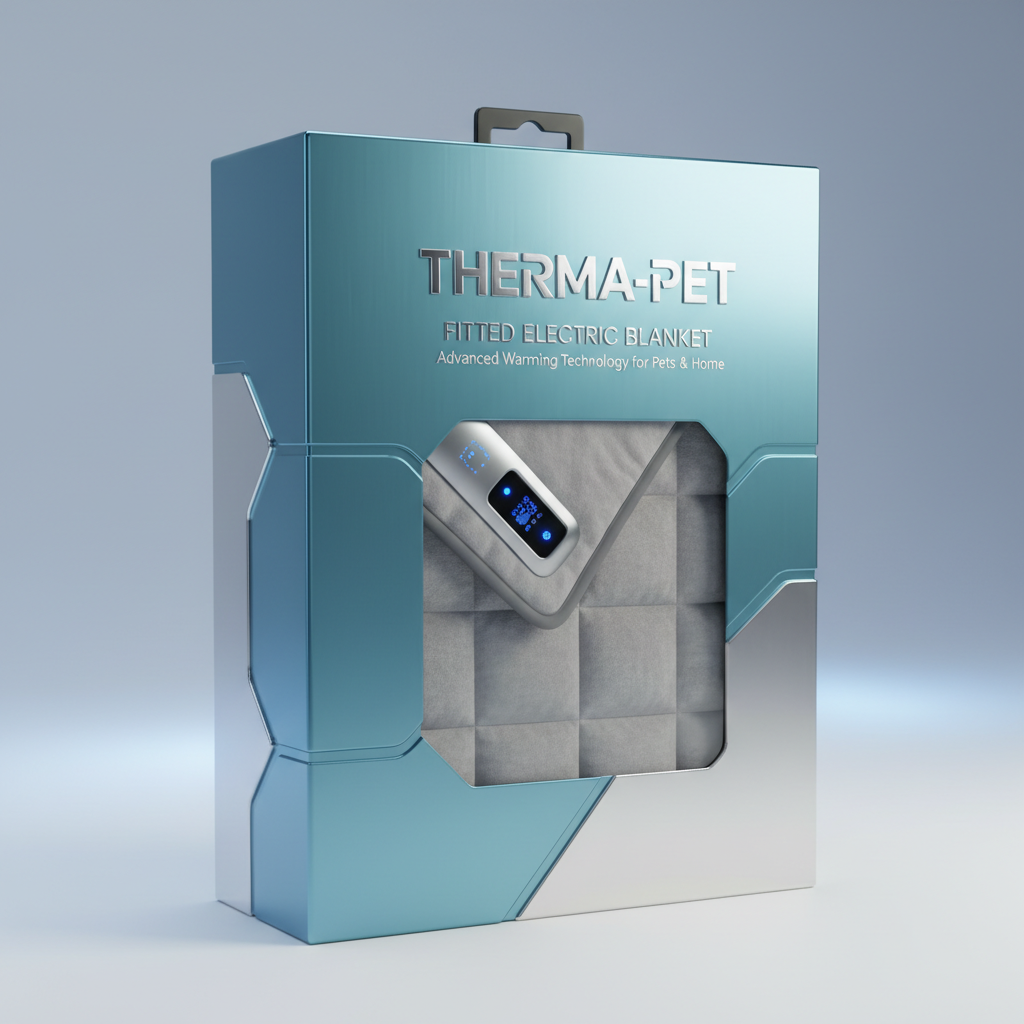
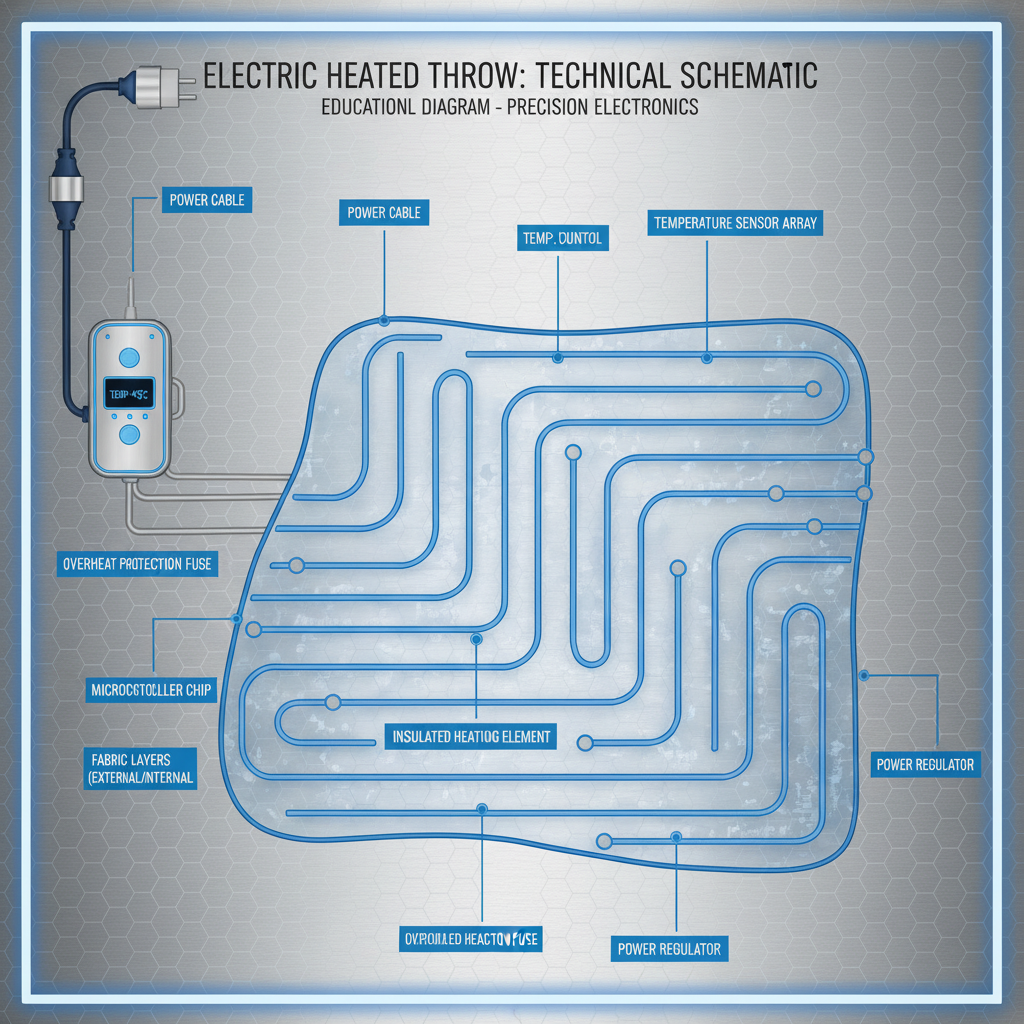
The future of warm blanket throws is likely to be shaped by several key trends. The integration of smart textiles, incorporating heating elements or sensors, could create "intelligent blankets" that adjust to individual needs and preferences. The development of even more sustainable materials, such as plant-based fibers or recycled plastics, will further reduce the environmental impact of blanket production.
Digital printing technologies will allow for greater customization and personalization, enabling consumers to design their own unique blankets. Furthermore, advancements in manufacturing processes will lead to increased efficiency and reduced costs, making high-quality blankets more accessible to a wider audience.
The convergence of these trends—smart technology, sustainability, and personalization—promises to revolutionize the warm blanket throw industry, creating products that are not only warm and comfortable but also innovative and environmentally responsible.
Challenges and Solutions in warm blanket throw Manufacturing and Distribution
| Challenge |
Impact on warm blanket throw Quality |
Potential Solution |
Implementation Cost (1-10) |
| Supply Chain Disruptions |
Delayed production, increased costs |
Diversify sourcing, regional manufacturing |
7 |
| Material Costs |
Lower quality materials used |
Explore alternative materials, bulk purchasing |
5 |
| Sustainability Concerns |
Negative environmental impact |
Use recycled materials, eco-friendly dyes |
6 |
| Quality Control |
Inconsistent product quality |
Implement stricter QC processes, automated inspection |
8 |
| Logistics & Distribution |
High shipping costs, long delivery times |
Optimize logistics network, local warehousing |
6 |
| Competition |
Price wars, reduced profit margins |
Focus on niche markets, innovative designs |
4 |
FAQS
For optimal durability, wool and high-quality synthetic blends like polyester-acrylic combinations are best. Wool is naturally resilient, while these blends offer excellent resistance to wear and tear, shrinkage, and fading. Consider the weight of the fabric – heavier throws generally last longer. Proper care, including gentle washing and avoiding harsh chemicals, also significantly extends the lifespan of your warm blanket throw.
To keep your warm blanket throw soft, machine wash it in cold water on a gentle cycle with a mild detergent. Avoid using bleach or fabric softeners, as these can damage the fibers. Tumble dry on low heat or air dry completely. Regularly fluffing the blanket can also help restore its loft and softness. For delicate materials like wool, hand washing or dry cleaning is recommended.
Yes! Many manufacturers are now offering warm blanket throws made from sustainable materials like recycled polyester, organic cotton, and bamboo. These options reduce the environmental impact of production while still providing excellent warmth and comfort. Look for certifications like OEKO-TEX Standard 100 to ensure the materials are free from harmful substances.
For a standard-sized couch, a 50x60 inch or 60x70 inch warm blanket throw is typically a good fit. This size provides enough coverage for one or two people to comfortably snuggle up. For larger sectionals, you may want to consider a larger size, such as 70x80 inches, or use multiple throws. Always measure your couch to ensure the best fit!
A warm blanket throw is a crucial item for emergency kits due to its portability and ability to provide warmth in survival situations. It can help prevent hypothermia, offer a sense of security, and even be used as a makeshift shelter. Choose a lightweight and compact blanket that can easily be stored in a bug-out bag or emergency vehicle.
While both blankets and throws provide warmth, their primary purposes differ. Blankets are typically used as a bedding layer, covering the entire body during sleep. Throws are smaller and designed for draping over the body while relaxing, adding a decorative touch to a room, or providing a cozy accent. Warm blanket throws prioritize comfort and portability over full-body coverage.
Conclusion
In conclusion, the warm blanket throw is far more than a simple comfort item. It's a versatile, essential product with applications ranging from personal well-being to emergency relief. Its enduring popularity is a testament to its ability to address fundamental human needs – warmth, security, and a sense of comfort. The ongoing evolution of materials, manufacturing processes, and design will continue to enhance its value and relevance in the years to come.
Looking ahead, prioritizing sustainability and innovation will be critical for the future of this industry. Embracing eco-friendly materials, advanced technologies, and personalized designs will not only benefit consumers but also contribute to a more responsible and sustainable world. Visit our website at www.eleblanket.com to explore our wide range of warm and inviting throws!