In the modern pursuit of home comfort, the full heated blanket has emerged as a cornerstone of winter wellness, blending traditional warmth with advanced electrical engineering. As global temperatures fluctuate and energy costs rise, consumers are increasingly seeking targeted heating solutions that provide immediate relief without the need to heat entire rooms, making the full-size variant an ideal choice for couples and individuals alike.
Beyond simple warmth, the integration of a full heated blanket into a nightly routine can significantly improve sleep quality by regulating body temperature during the critical transition into deep sleep. By utilizing low-voltage heating elements and smart thermostats, these products address the universal human need for security and warmth while adhering to stringent safety standards in the electrical appliance industry.
Understanding the technical nuances—from the fabric composition to the safety certifications—allows users to make an informed decision that balances luxury with efficiency. Whether used for therapeutic muscle relaxation or as a cozy addition to a living room, the full heated blanket represents a perfect synergy of textile innovation and electrical safety.
Global Demand and Industry Context of Full Heated Blankets
The global market for the full heated blanket has seen a significant uptick, particularly in Northern Hemisphere regions where winter temperatures are severe. According to industry trends aligned with ISO energy efficiency standards, there is a marked shift toward "point-of-use" heating. This transition is driven by the escalating cost of fossil fuels and a collective move toward reducing the carbon footprint of residential heating systems.
As the electrical machinery and equipment industry evolves, manufacturers are now focusing on the integration of IoT and smart materials to make the full heated blanket not just a comfort tool, but a health-monitoring device. This evolution addresses the critical challenge of maintaining thermal homeostasis in elderly populations, reducing the risk of hypothermia and improving overall circulatory health.
Defining the Full Heated Blanket in Modern Living
In simple terms, a full heated blanket is a textile product embedded with a network of conductive heating elements that convert electrical energy into thermal energy. Unlike a heating pad, which is typically small and localized, a full-size blanket covers the entire body, providing a uniform envelope of warmth that is essential for deep relaxation and therapeutic recovery.
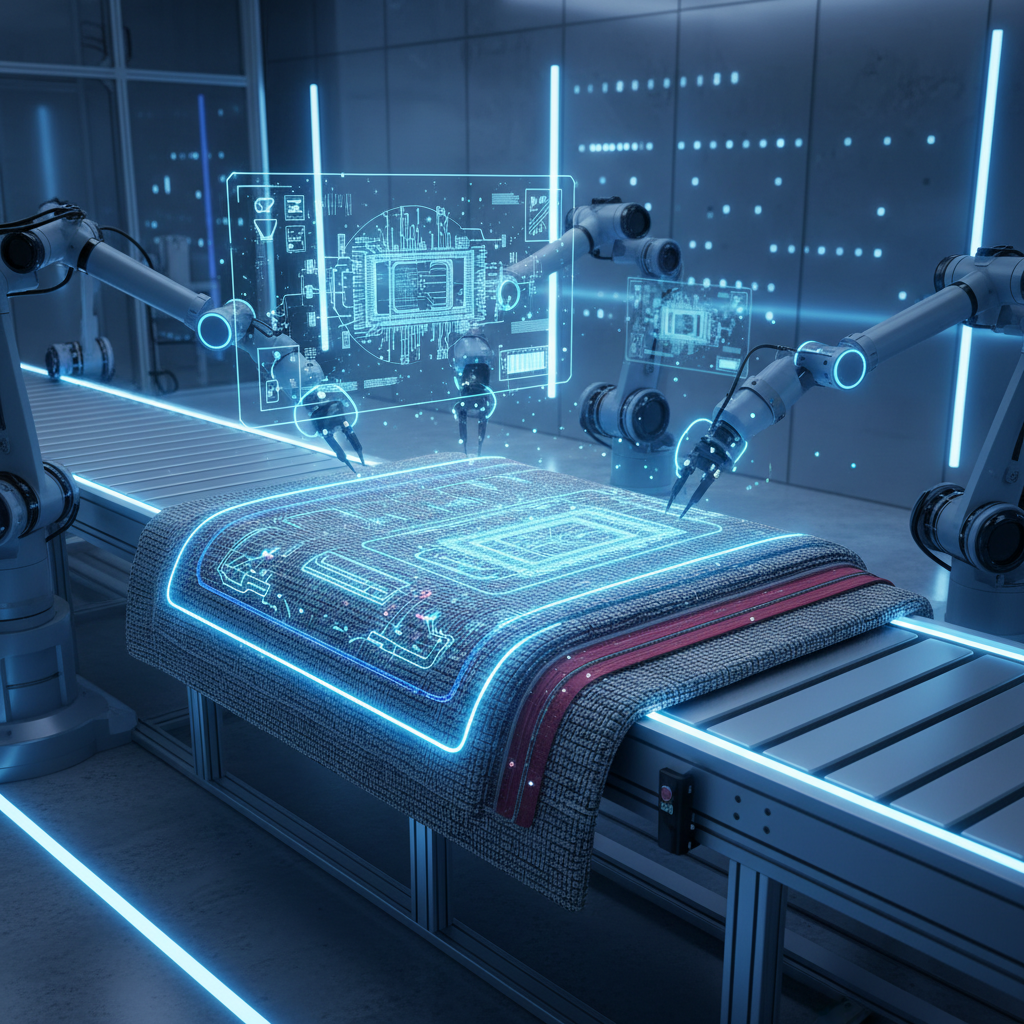
From an industrial perspective, these blankets are a sophisticated blend of electrical engineering and textile science. They require a precise balance between power density and fabric breathability to ensure that the user stays warm without overheating. This makes them an indispensable tool for modern humanitarian needs, such as providing warmth in temporary shelters or medical facilities where central heating is unavailable.
Furthermore, the connection to modern industry is evident in the use of UL and ETL certified components. A high-quality full heated blanket utilizes advanced polymers and fire-retardant materials, ensuring that the convenience of electrical warmth never comes at the cost of user safety, thereby setting a gold standard for the domestic heating appliance sector.
Core Components and Technical Specifications
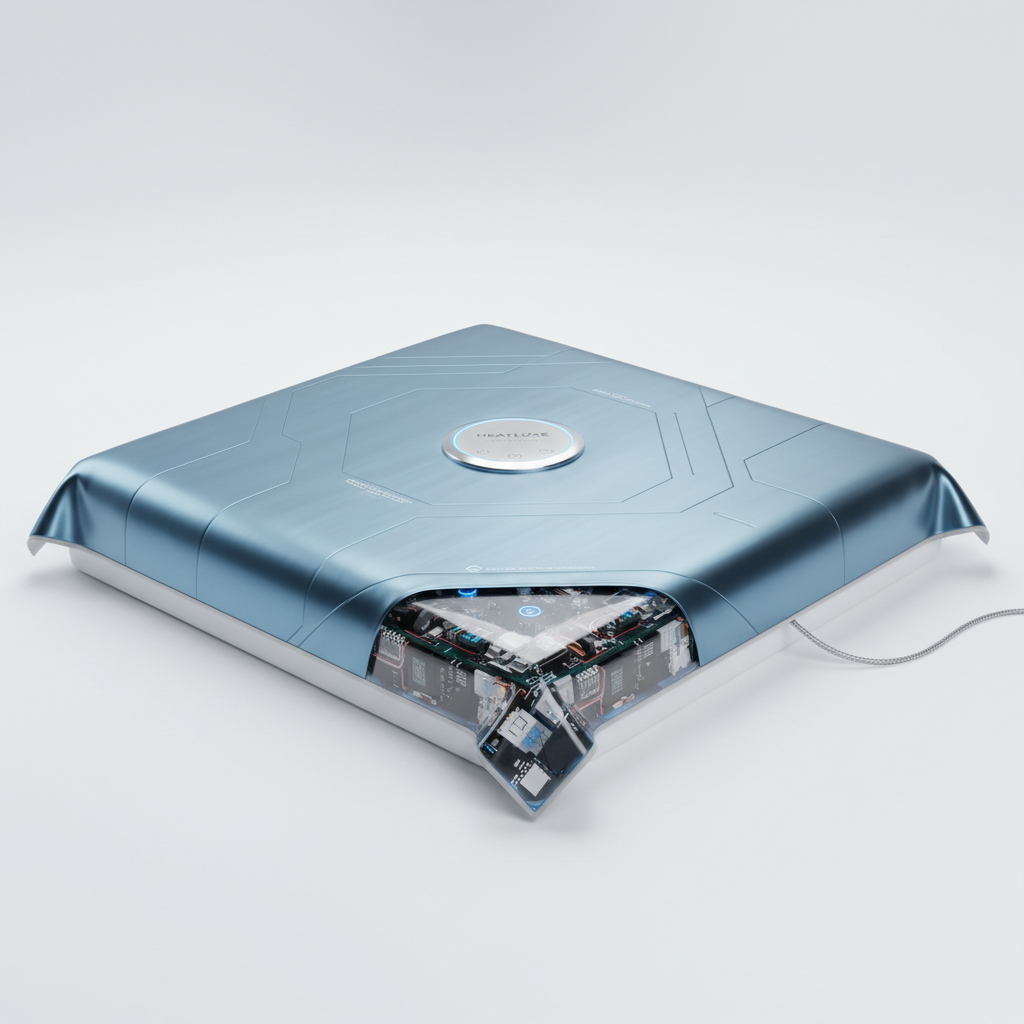
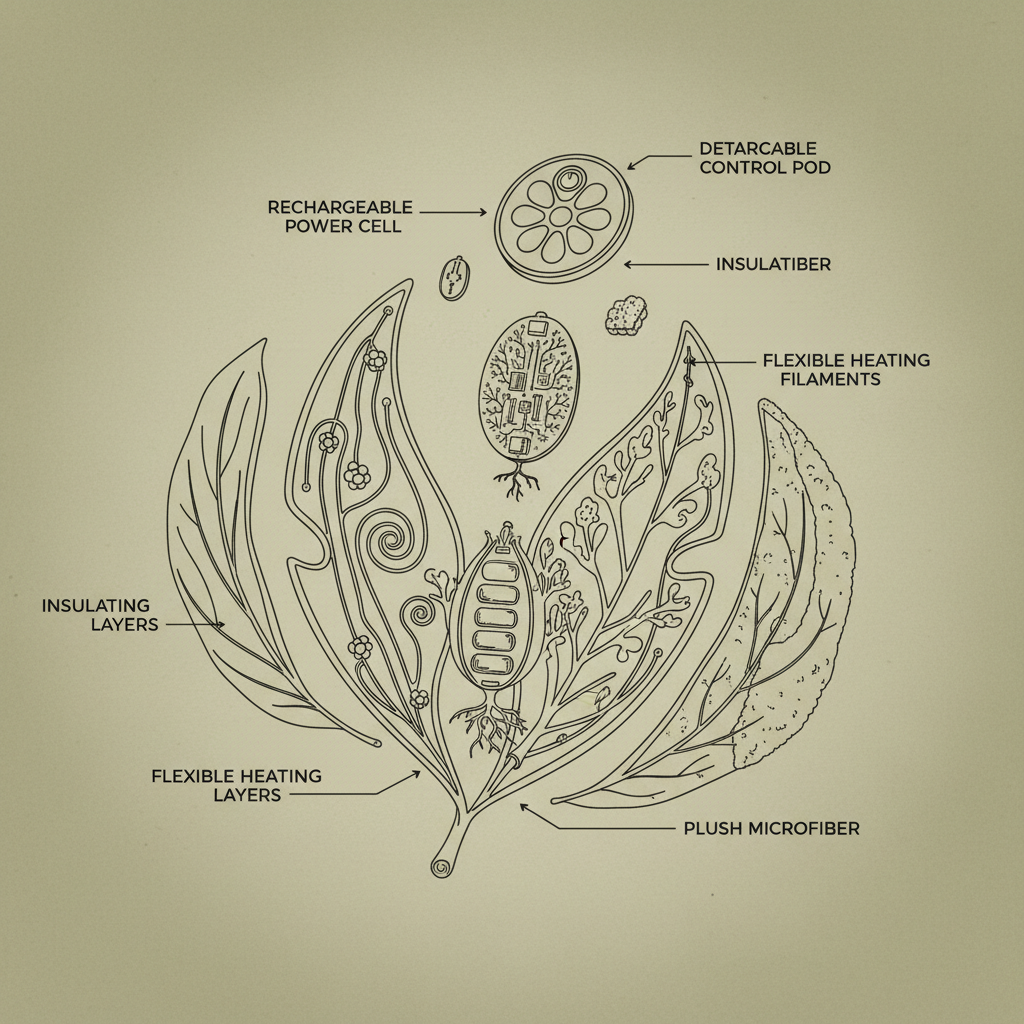
The structural integrity of a full heated blanket begins with its heating element. Most premium models utilize a copper or carbon-fiber wire mesh that is meticulously woven into the fabric to prevent "hot spots," ensuring a smooth and consistent heat distribution across the entire surface area.
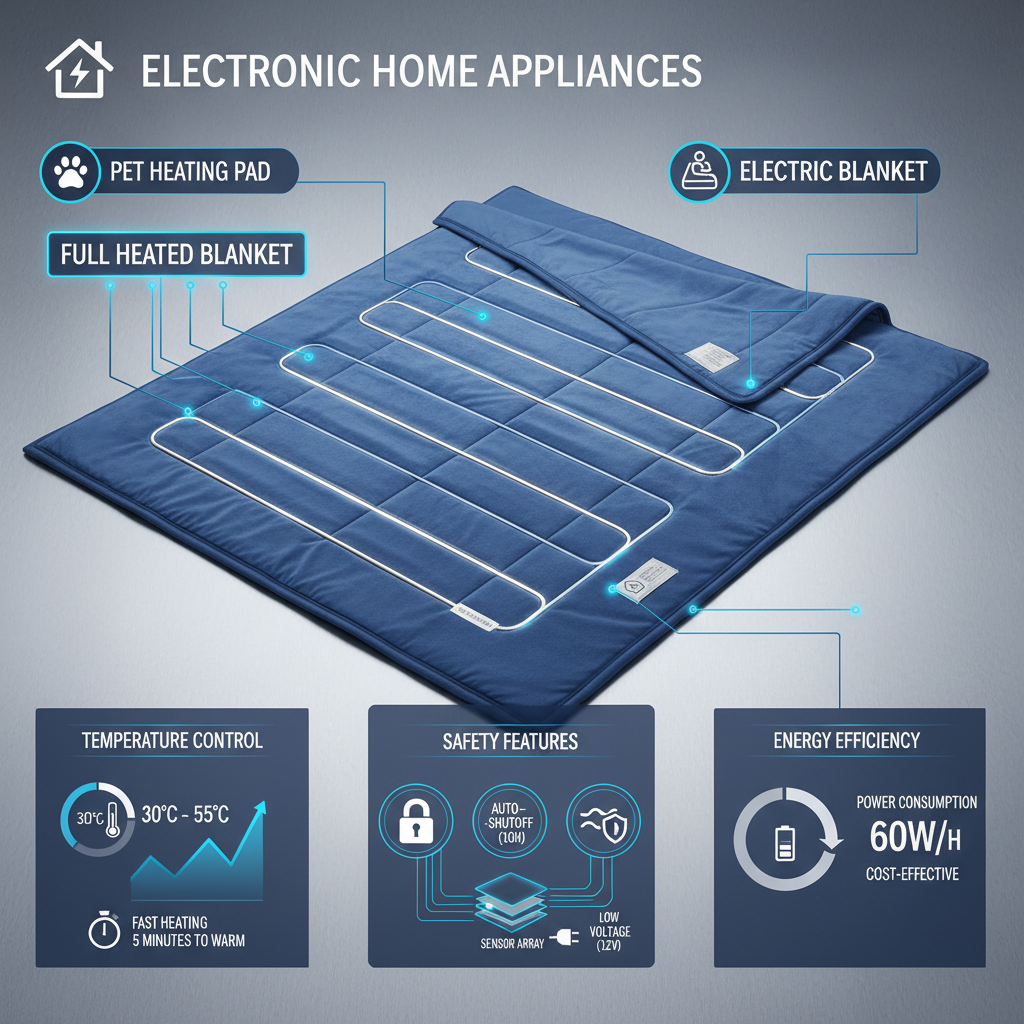
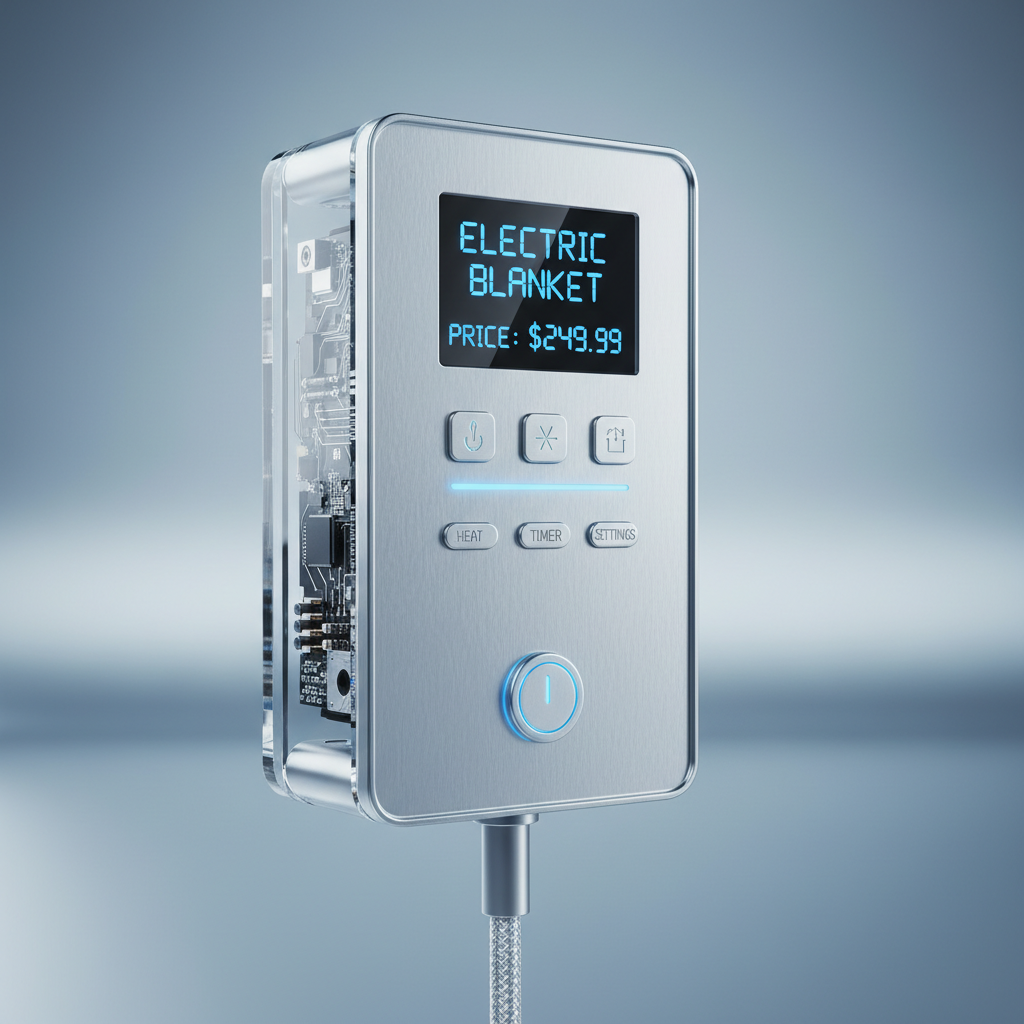
Safety is the core component of any full heated blanket design. This includes the integration of an Overheat Protection System (OPS) and an auto-shutoff timer, which prevent the device from exceeding safe temperature thresholds and mitigate the risk of electrical fires in the event the user falls asleep.
The outer shell, often made from hypoallergenic fleece or plush microfiber, is engineered for maximum thermal retention. This ensures that the heat generated by the full heated blanket is trapped close to the skin, maximizing energy efficiency and reducing the power draw from the electrical grid.
Performance Metrics and Efficiency Analysis
When evaluating the performance of a full heated blanket, industry experts look at "warm-up time" and "thermal stability." A high-efficiency blanket can reach its target temperature within minutes, while maintaining a steady heat level without fluctuating, which is crucial for maintaining a consistent sleep cycle.
From a cost-efficiency standpoint, using a full heated blanket is significantly cheaper than raising the thermostat of an entire house by 5 degrees. This localized heating approach reduces energy waste and aligns with global sustainability goals by lowering the overall demand on electrical infrastructure.
Performance Comparison of Full Heated Blanket Technologies
Global Applications and Use Case Scenarios
The application of the full heated blanket extends far beyond the domestic bedroom. In medical rehabilitation centers, these blankets are used to treat patients with Raynaud's disease or fibromyalgia, where consistent, gentle heat is required to improve blood flow and reduce joint stiffness.
In remote industrial zones or post-disaster relief operations, where infrastructure is compromised, portable versions of the full heated blanket (powered by batteries or solar generators) provide critical warmth. This prevents hypothermia in emergency shelters, offering not just physical warmth but psychological comfort and dignity to those in distress.
Long-Term Value and Sustainability Benefits
The long-term value of investing in a high-quality full heated blanket lies in its durability and energy-saving potential. By choosing products made from sustainable, recycled polyesters and high-grade conductive materials, consumers reduce the frequency of replacement, thereby minimizing textile waste in landfills.
From a psychological perspective, the reliability of a full heated blanket fosters a sense of trust and security. The emotional comfort of a warm bed during a winter storm is an undervalued aspect of mental well-being, reducing stress and promoting a healthier circadian rhythm.
Moreover, the shift toward low-wattage heating technology ensures that the full heated blanket remains a cost-effective solution for years. As smart homes become the norm, these devices are integrating with home automation systems to optimize heat usage based on the user's sleep stage.
Future Innovations in Heating Technology
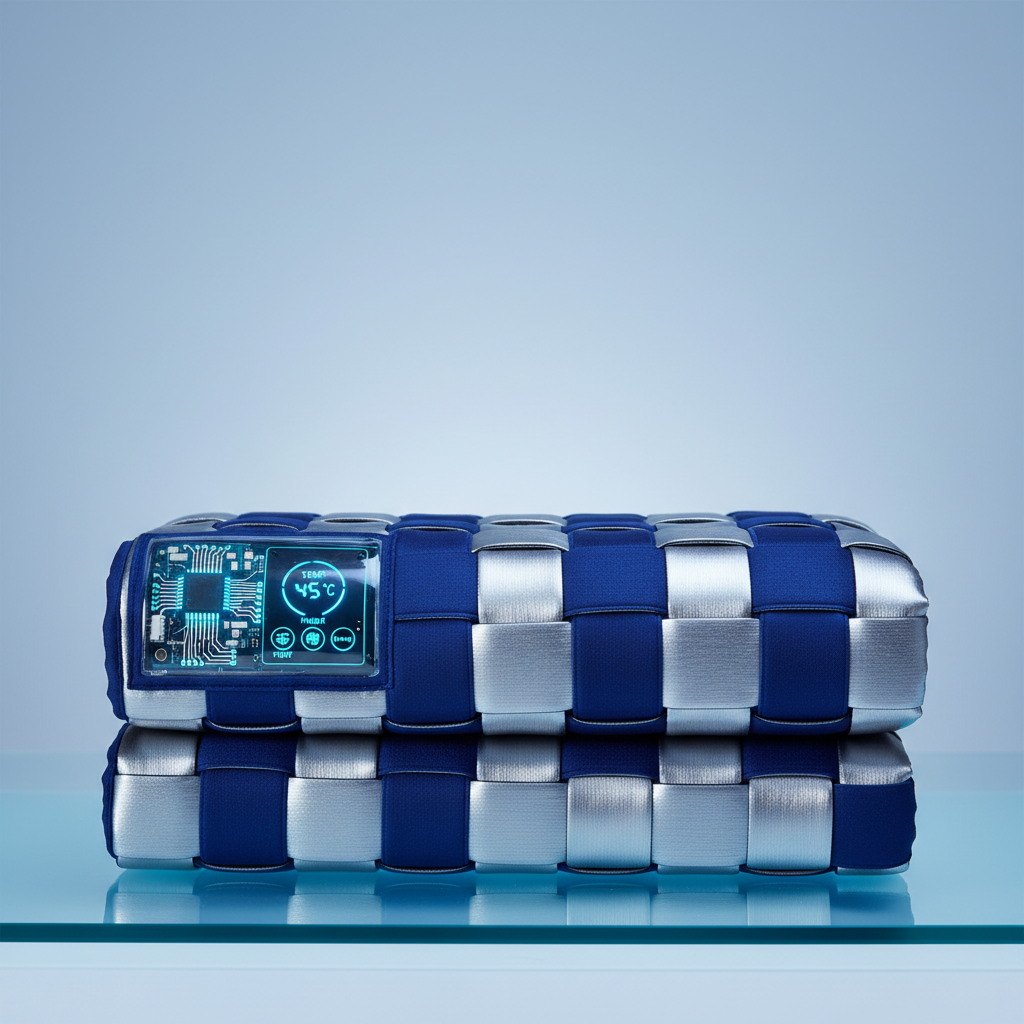
The future of the full heated blanket is leaning toward "smart textiles" and graphene-based heating. Graphene, known for its incredible conductivity and flexibility, allows for thinner, more durable heating elements that heat up almost instantaneously and distribute warmth more evenly than traditional wires.
We are also seeing the rise of AI-driven thermal regulation. Future full heated blanket models will likely include biometric sensors that monitor skin temperature and heart rate in real-time, automatically adjusting the heat level to ensure the user never wakes up from being too hot or too cold.
Sustainability will also play a larger role, with the introduction of biodegradable heating elements and solar-integrated fabrics. This will make the full heated blanket truly eco-friendly, reducing its reliance on the electrical grid and aligning with the global push toward green energy.
Comparison of Full Heated Blanket Material Innovations
| Material Type |
Heat Distribution |
Energy Efficiency |
Durability Score |
| Standard Copper |
Moderate |
Medium |
7/10 |
| Carbon Fiber |
High |
High |
9/10 |
| Graphene Film |
Exceptional |
Exceptional |
10/10 |
| Polyester Blend |
Low |
Low |
6/10 |
| Hybrid Mesh |
High |
High |
8/10 |
| Nano-Silver |
Very High |
Medium |
8/10 |
FAQS
Yes, provided the blanket is UL or ETL certified and features an auto-shutoff timer. Modern full heated blanket designs incorporate overheat protection that prevents the fabric from reaching dangerous temperatures, making them safe for nightly use. Always inspect the cords for wear and avoid folding the blanket tightly while it is powered on.
Most modern heated blankets are machine washable. However, you must disconnect the power controller first. Use a gentle cycle with mild detergent and air dry or tumble dry on low heat. Always refer to the manufacturer's specific label, as some full heated blanket models may require hand washing to protect the internal wiring.
A full heated blanket is remarkably efficient, typically consuming between 60 to 150 watts depending on the heat setting. Compared to a space heater (which can use 1,500 watts), a heated blanket is significantly more cost-effective for keeping a person warm, often costing only a few cents per night of use.
The primary difference is size and purpose. A heated throw is designed for lounging on a sofa and usually covers only the upper body. A full heated blanket is sized to fit a full-size bed, providing comprehensive warmth for the entire body, which is essential for improving sleep quality and overall nighttime comfort.
Yes, the gentle, consistent heat provided by a full heated blanket can help increase blood flow to stiff joints and soothe aching muscles. By maintaining a warm body temperature, these blankets help reduce the perception of pain associated with cold-weather triggers in arthritis and fibromyalgia patients.
It is recommended to use a higher setting for the first 15–30 minutes to pre-warm the bed, then switch the full heated blanket to a low or medium setting for the remainder of the night. This prevents overheating, which can disrupt your sleep cycle and lead to nighttime restlessness.
Conclusion
In summary, the full heated blanket represents a vital intersection of luxury, health, and energy efficiency. By combining advanced electrical safety mechanisms with high-performance textiles, these products offer a sustainable alternative to traditional home heating, ensuring that warmth is delivered exactly where it is needed most without unnecessary energy waste.
Looking forward, the integration of graphene and AI will further elevate the full heated blanket from a seasonal accessory to a sophisticated wellness tool. We encourage consumers to prioritize certified safety standards and sustainable materials when choosing their heating solutions to ensure long-term value and peace of mind. Visit our website for more premium options: www.eleblanket.com