The world is increasingly seeking comfort and warmth, and the electric heated throw offers an accessible and efficient solution. From chilly evenings at home to providing essential warmth in emergency situations, these throws are gaining popularity globally. Understanding the technology, applications, and future potential of electric heated throws is crucial for consumers, businesses, and humanitarian organizations alike. The increasing demand stems from a desire for personalized comfort and effective temperature regulation in a changing climate.
The global market for heating solutions is constantly evolving, driven by factors such as energy efficiency, sustainability, and convenience. Electric heated throws represent a segment of this market experiencing significant growth, particularly in regions with colder climates or unstable energy supplies. The demand isn’t solely about luxury; it’s about providing affordable warmth and safety, especially for vulnerable populations. Data from the World Health Organization highlights the impact of hypothermia on global health, illustrating the vital role such technologies can play.
Electric heated throws are no longer a niche product; they are becoming an integral part of modern life. Their portability, ease of use, and relatively low cost make them an attractive alternative to traditional heating methods. Moreover, advances in technology are leading to more energy-efficient and safer designs, further broadening their appeal and applicability. This is a burgeoning market poised for continued expansion and innovation.
The Global Significance of electric heated throw
The need for accessible and efficient personal heating solutions is a global concern. Approximately 1.1 billion people worldwide lack access to electricity, according to the UN, and even in developed nations, energy costs can be prohibitive. The electric heated throw provides a localized, relatively inexpensive, and often portable solution for maintaining thermal comfort. This is particularly vital for vulnerable populations, including the elderly, the infirm, and those living in poverty.
Beyond basic comfort, electric heated throws play a crucial role in emergency preparedness and disaster relief. In the wake of natural disasters, power outages are common, leaving individuals without access to conventional heating. Lightweight and easily transportable, these throws can provide critical warmth in challenging circumstances, potentially saving lives. The demand is increasing as global weather patterns become more unpredictable and extreme.
Defining Electric Heated Throws
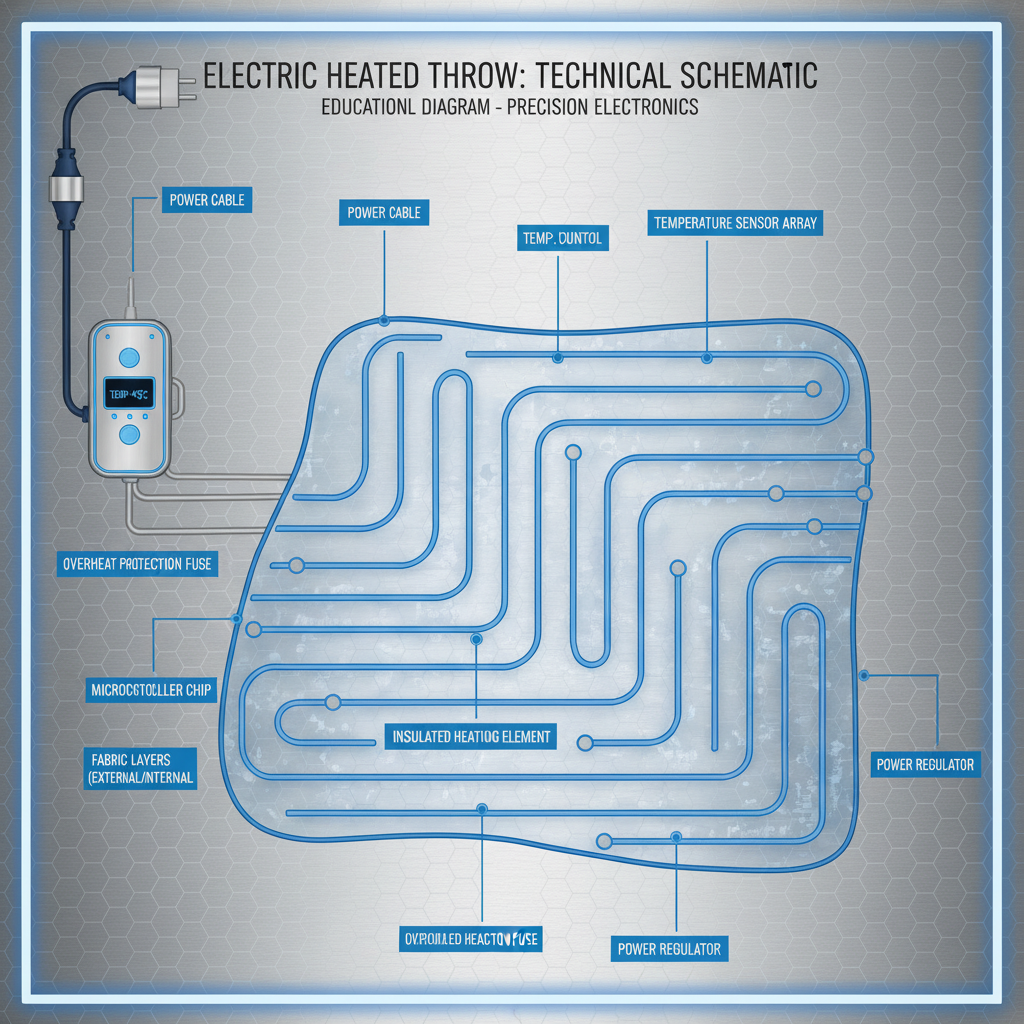
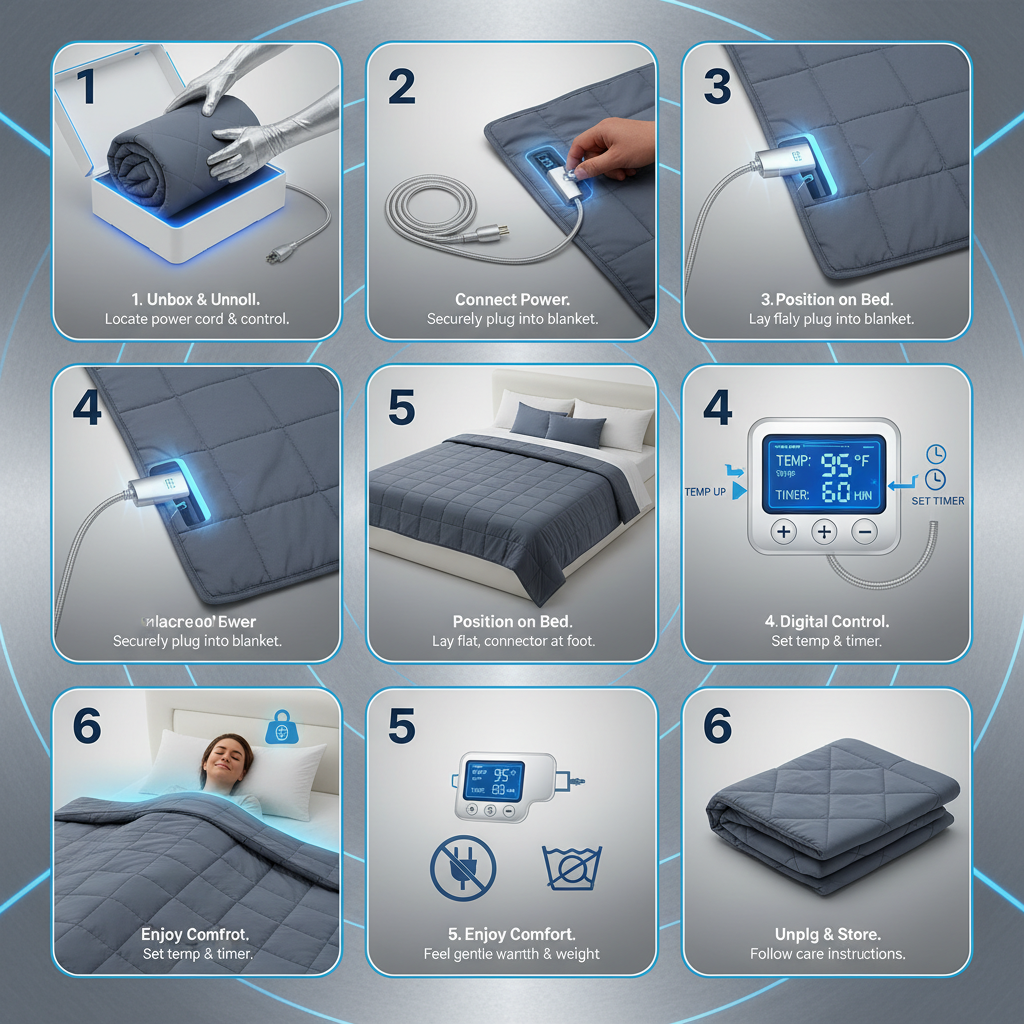
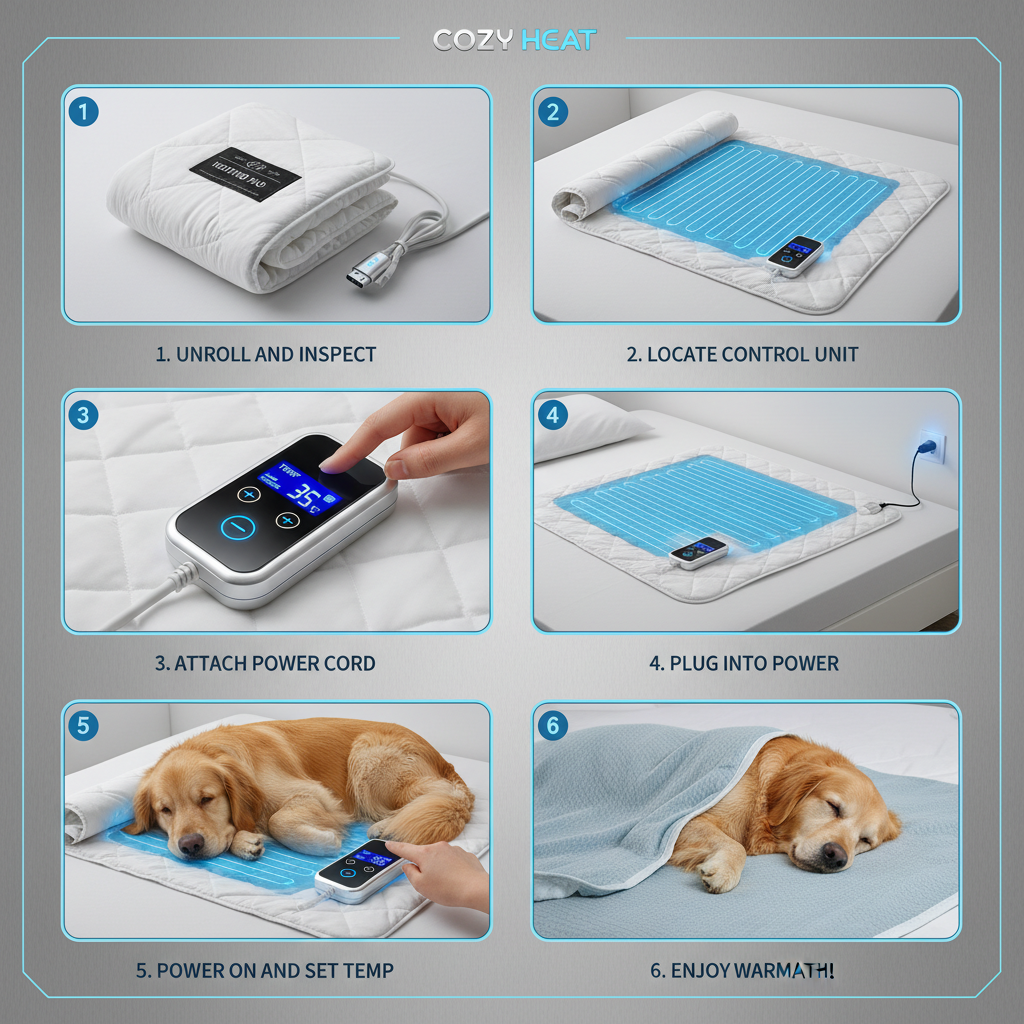
An electric heated throw is a blanket containing integrated heating elements, typically thin wires, powered by electricity. These elements generate heat when electricity passes through them, providing warmth to the user. Modern throws often feature adjustable heat settings and automatic shut-off timers for safety and energy conservation. They are designed to provide targeted warmth, allowing users to focus heating on specific areas of the body.
Unlike central heating systems, which warm an entire space, electric heated throws offer a personalized heating experience. This makes them ideal for individuals who prefer to keep their overall room temperature lower, or for those who simply want extra warmth in a specific location, such as while reading or watching television. Their versatility makes them a popular choice for a wide range of users.
The connection to modern industry and humanitarian needs is strong. Manufacturers are continually innovating to improve efficiency, safety, and affordability. Humanitarian organizations utilize them in disaster relief, recognizing their ability to provide immediate warmth to those in need, improving survival rates and overall well-being.
Core Components of an electric heated throw
The core of an electric heated throw lies in its heating elements. Typically made of a nickel-chromium alloy, these wires offer resistance to electrical current, generating heat as a byproduct. The quality and distribution of these elements directly impact the blanket's efficiency and evenness of warmth. Beyond the heating elements, a robust control system is crucial.
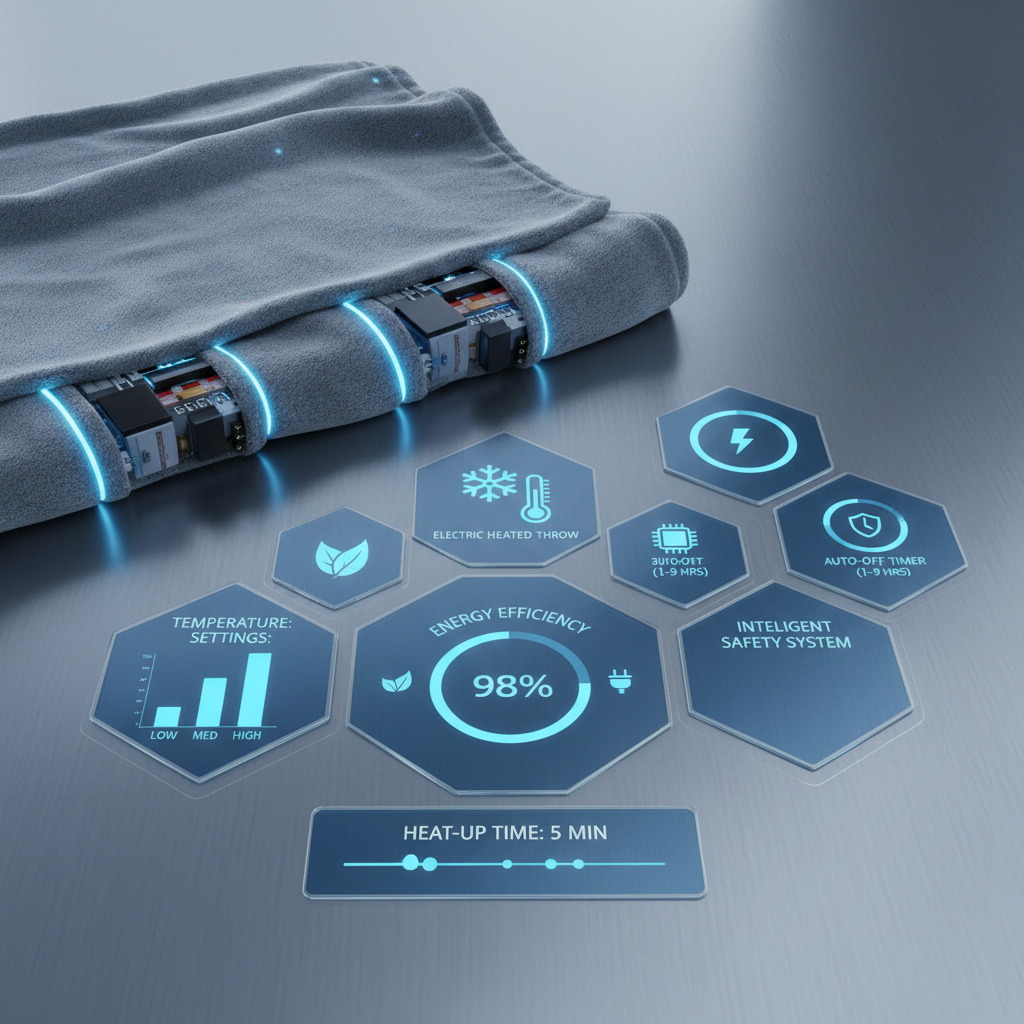
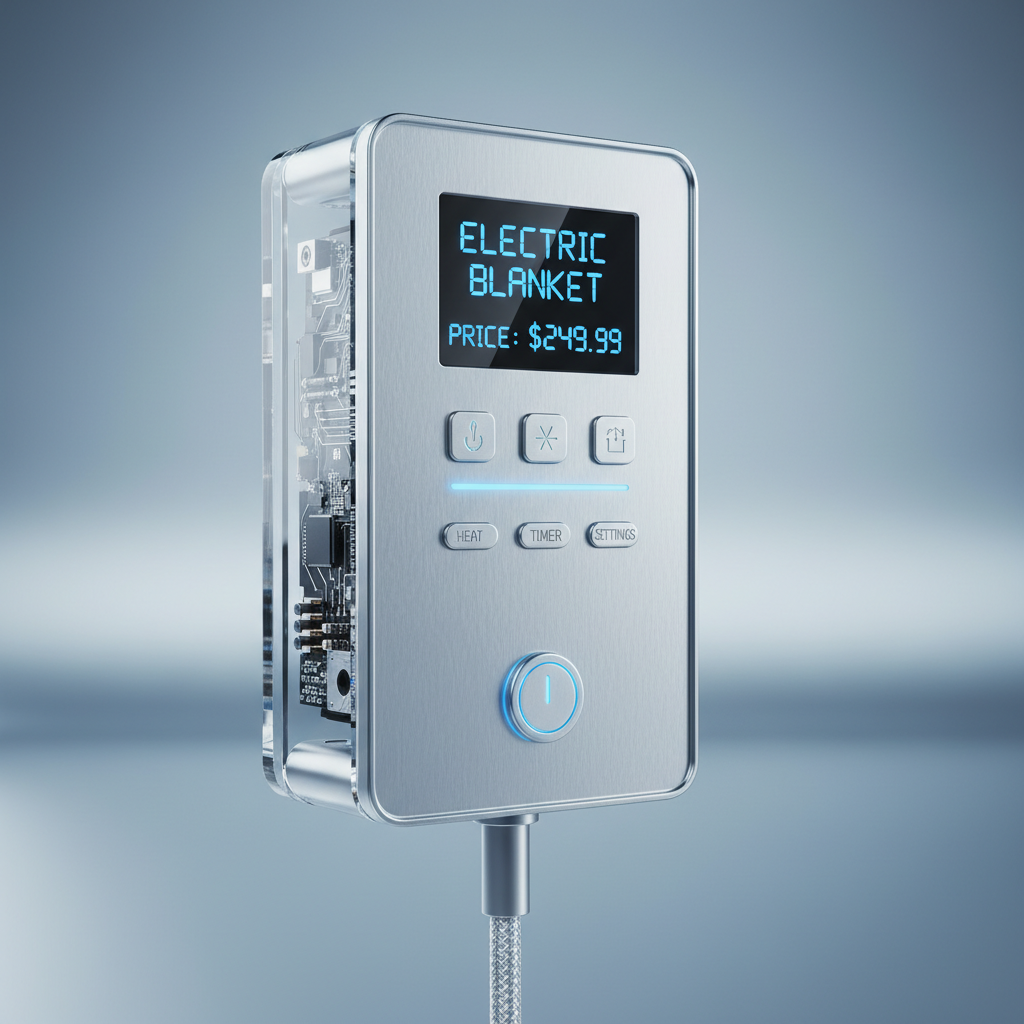
The control system includes a thermostat to regulate temperature, ensuring consistent and safe operation. Many throws feature multiple heat settings, allowing users to customize their experience. Crucially, a safety mechanism, such as an automatic shut-off timer, is essential to prevent overheating and potential hazards. The quality of the wiring and connectors also impacts reliability and longevity.
Finally, the fabric itself plays a significant role. It must be durable, comfortable, and capable of withstanding repeated washing. Materials like fleece, microplush, or flannel are commonly used for their softness and insulating properties. The construction of the blanket – how the heating elements are integrated into the fabric – also affects its performance and safety.
Key Factors Influencing Performance
Durability is a primary concern. The lifespan of an electric heated throw is determined by the quality of its components and construction. Factors such as the gauge of the heating wires, the quality of the thermostat, and the robustness of the fabric all contribute to its longevity. Proper care and maintenance, including following washing instructions, are also vital.
Energy efficiency is another critical factor. Throws with lower wattage consumption provide the same level of warmth while using less electricity, resulting in lower energy bills and a reduced environmental footprint. Features like adjustable heat settings and automatic shut-off timers contribute to energy savings.
Comparative Analysis of electric heated throw Features
Real-World Applications of electric heated throw
In post-disaster relief operations, electric heated throws provide immediate warmth to survivors who have lost access to power and shelter. Organizations like the Red Cross and Doctors Without Borders frequently include them in emergency supply kits. The portability and ease of use are invaluable in chaotic and challenging environments.
Beyond emergency situations, these throws are widely used in healthcare settings, such as hospitals and nursing homes, to provide comfort and warmth to patients recovering from illness or surgery. They can also be beneficial for individuals with conditions like arthritis or fibromyalgia, offering soothing relief from muscle pain and stiffness.
Advantages and Long-Term Value
The most tangible benefit of an electric heated throw is cost savings. By providing localized warmth, users can reduce their reliance on expensive central heating systems, leading to lower energy bills. This is particularly significant during periods of high energy prices. Furthermore, they offer a sustainable alternative to traditional heating methods, reducing carbon emissions.
From a social impact perspective, these throws promote well-being and dignity. Providing warmth to those in need, whether in emergency situations or simply at home, contributes to a sense of security and comfort. The ease of use and portability empower individuals to maintain control over their thermal environment, enhancing their quality of life.
Future Trends and Innovations
The future of electric heated throws lies in integrating smart technology and sustainable materials. We are likely to see throws with advanced features such as app control, personalized heating zones, and integration with smart home systems. The use of renewable energy sources, such as solar power, to power these throws is also a promising development.
Moreover, research into new heating materials, such as graphene-based heating elements, could lead to more efficient and flexible throws. Increased focus on circular economy principles will also drive the development of throws made from recycled and biodegradable materials, reducing their environmental impact.
Digital transformation will also play a role, with data analytics being used to optimize heating performance and personalize the user experience. Automation and machine learning algorithms could adjust heat settings based on individual preferences and environmental conditions.
Challenges and Solutions
A common challenge with electric heated throws is safety concerns related to overheating and electrical hazards. To address this, manufacturers are implementing more robust safety features, such as multiple temperature sensors, automatic shut-off timers, and improved insulation. Regular safety testing and certification are also crucial.
Another limitation is the dependence on a power source. Developing throws with integrated battery packs or the ability to be powered by renewable energy sources, such as solar panels, can overcome this challenge. Innovative energy storage solutions are key to enhancing portability and usability.
Finally, improving the durability and washability of these throws remains a priority. Utilizing more durable fabrics and robust heating element construction can extend their lifespan and reduce the need for replacements.
Summary of Electric Heated Throw Challenges and Potential Solutions
| Challenge |
Impact on User Experience |
Proposed Solution |
Implementation Cost (1-10) |
| Overheating Risk |
Safety Concerns, Potential Burns |
Multi-sensor Thermostats & Auto Shut-Off |
4 |
| Power Dependence |
Limited Portability, Inability to Use During Outages |
Integrated Battery Packs or Solar Charging |
7 |
| Durability Issues |
Short Lifespan, Frequent Replacements |
Reinforced Heating Elements & Fabric |
5 |
| Washability Concerns |
Difficult Maintenance, Hygiene Issues |
Waterproof Heating Elements & Washable Design |
6 |
| Uneven Heat Distribution |
Discomfort, Inefficient Heating |
Optimized Heating Element Placement & Density |
3 |
| Environmental Impact |
Non-biodegradable Materials, Energy Consumption |
Recycled Materials & Energy-Efficient Design |
5 |
FAQS
The primary difference lies in the integrated heating elements. A traditional blanket provides insulation, retaining body heat, while an electric heated throw actively generates heat, providing supplemental warmth. Electric heated throws offer adjustable temperature settings and can be more energy-efficient for targeted heating, unlike heating an entire room with a traditional system. They’re also significantly more portable and convenient for personalized comfort.
Generally, electric heated throws are relatively inexpensive to operate. Their power consumption is considerably lower than that of central heating systems. The cost depends on your electricity rates and how often you use the throw, but using it for a few hours each day typically adds a minimal amount to your energy bill. Opting for models with adjustable heat settings and auto-shutoff timers can further reduce energy usage and costs.
Modern electric heated throws are designed with multiple safety features. These include overheat protection, automatic shut-off timers, and low-voltage operation. However, it's crucial to follow the manufacturer's instructions carefully and avoid using the throw if it's damaged or shows signs of wear. Regular inspection for frayed cords or damaged heating elements is recommended.
Many electric heated throws are machine washable, but it's essential to check the manufacturer's instructions first. Typically, you'll need to disconnect the controller before washing and follow specific washing instructions, such as using a gentle cycle and avoiding harsh detergents. Air drying is often recommended to prevent damage to the heating elements. Always ensure the throw is completely dry before reconnecting the controller.
Popular materials include fleece, microplush, and flannel, prized for their softness, comfort, and insulating properties. The fabric should be durable and capable of withstanding repeated washing. Look for throws with breathable fabrics that won't trap moisture. The heating element construction is also crucial – nickel-chromium alloys are common for their efficient heat generation.
The lifespan of an electric heated throw varies depending on usage and care. With proper maintenance and occasional use, a well-made throw can last for several years, typically between 3-7 years. Factors affecting longevity include the quality of the heating elements, the thermostat, and the fabric. Avoiding excessive bending or stretching of the heating wires can also extend its lifespan.
Conclusion
In conclusion, the electric heated throw is a versatile and increasingly essential solution for maintaining thermal comfort. From providing localized warmth for individuals to offering vital support in emergency situations, its benefits are far-reaching. The continuous innovation in materials, technology, and sustainability ensures its continued relevance in a world facing evolving energy challenges and climate concerns.
Looking ahead, the future of electric heated throws is bright. Integrating smart technology, embracing renewable energy sources, and prioritizing durability will unlock even greater potential. We encourage consumers to explore the range of options available and to prioritize safety and quality when making a purchase. Visit our website at www.eleblanket.com to discover the perfect electric heated throw for your needs.