0%

Table of Contents

Look, I’ve spent the last twenty years on construction sites, getting my hands dirty, and let me tell you, keeping crews warm and productive in the winter used to be a constant battle. Traditional heating solutions were bulky, inefficient, and frankly, a safety hazard. That’s where the shift towards the smart electric blanket – and more broadly, smart thermal management – has been a game-changer. It’s not just about comfort anymore; it’s about boosting efficiency, reducing downtime, and keeping good people safe. This isn’t some tech fad; this is about solving a real problem that impacts project timelines and bottom lines.

The old ways? Forget about it. Propane heaters creating fumes, electric heaters tripping breakers, extension cords becoming tripping hazards… it was a mess. Now, we’re seeing a move towards more controlled, targeted heating, and that’s where the flexibility of a smart electric blanket comes in. I've seen crews using them in pre-fab units, warming up equipment, and even providing a bit of comfort during break times. The ability to remotely monitor and adjust temperatures, combined with the safety features, has just made everything smoother.

It’s not a magic bullet, mind you. Integration with existing site power infrastructure can be a challenge, and training crews on new tech is always necessary. But the benefits – reduced energy costs, increased safety, and improved worker morale – far outweigh the initial hurdles. We're seeing a real demand for these kinds of solutions, and the technology is only going to get better.
Revolutionizing Construction Sites with Smart Electric Blanket Technology

The Evolution of Smart Thermal Management on Site

Revolutionizing Construction Sites with Smart Electric Blanket Technology

For years, we relied on brute force heating – and it was always a compromise. Crews bundled up, productivity dipped in the cold, and safety was a constant worry. The introduction of more sophisticated thermal solutions, like the smart electric blanket technology, represents a fundamental shift. It's not just about providing heat; it's about providing controlled heat, where and when it's needed.

I’ve seen firsthand how targeted heating can improve the handling of temperature-sensitive materials. Things like adhesives and certain types of concrete require specific temperature ranges for optimal performance, and maintaining those conditions on a windy construction site used to be a nightmare. Now, with the ability to precisely control temperatures, we're seeing fewer material failures and a higher quality of work.

Defining Smart Electric Blankets: Beyond Simple Heating

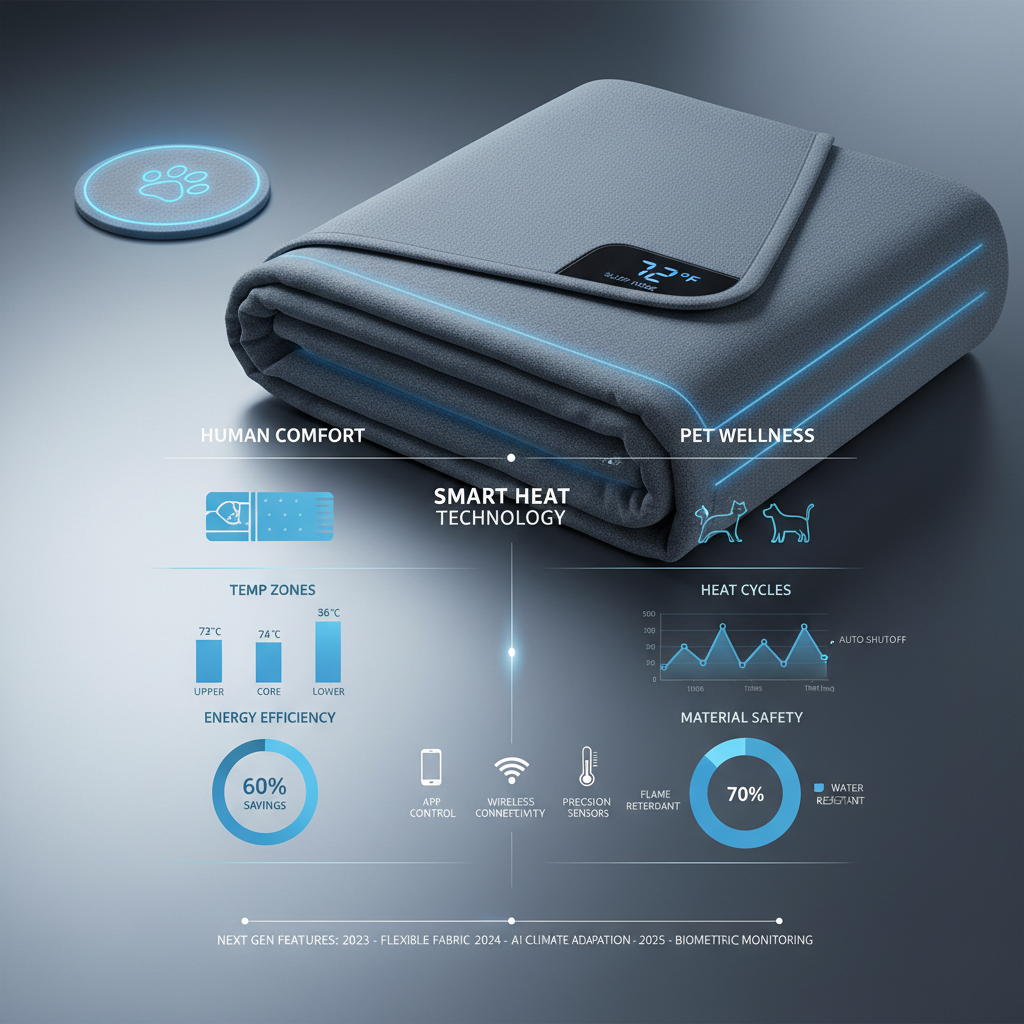
When I first heard the term “smart electric blanket,” I’ll admit, I was skeptical. It sounded like a gimmick. But it's far more than just a heated blanket. These systems integrate sensors, controllers, and often, remote monitoring capabilities. Think of it as a localized, programmable heating system. You can set specific temperature zones, schedule heating cycles, and even receive alerts if something goes wrong. It’s about control and efficiency.

The key difference is the level of feedback and automation. Traditional heating systems are static; you turn them on and hope for the best. Smart electric blanket systems constantly monitor temperatures and adjust accordingly, ensuring consistent and efficient heating.

And it's not just for people. We’re using them to pre-heat equipment in cold storage, protect sensitive electronics, and even thaw frozen ground for easier excavation. The versatility is remarkable.

Core Components for Construction Grade Performance

Durability is paramount. These aren’t household items; they need to withstand the rigors of a construction site. That means robust materials, reinforced wiring, and protection against moisture and dust. We need something that can handle being dragged across concrete, exposed to the elements, and generally abused.

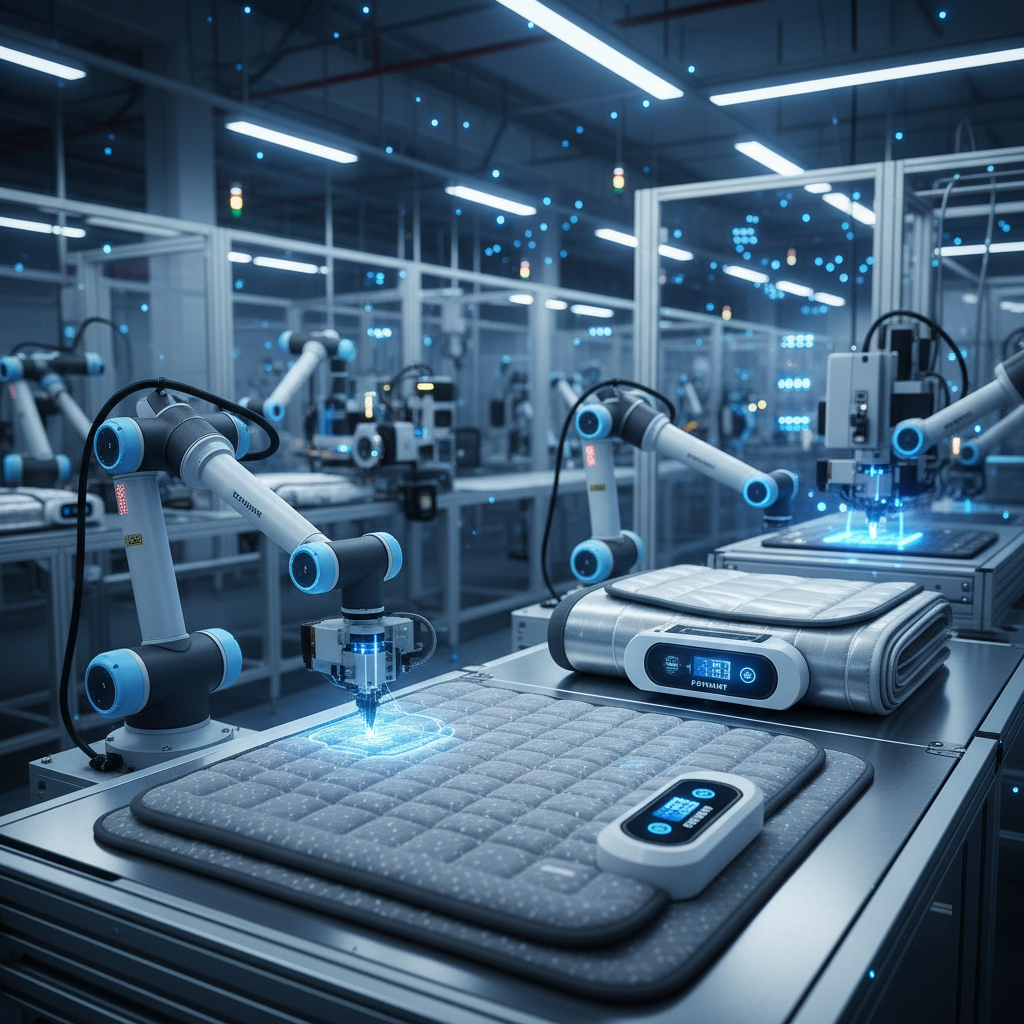
Power management is critical. Construction sites often have limited power capacity, and tripping breakers is a major productivity killer. Smart controllers that can optimize power usage and prevent overloads are essential. Remote monitoring is a huge plus – being able to see energy consumption in real-time allows us to identify and address inefficiencies.

Safety features are non-negotiable. Overheat protection, ground fault circuit interrupters (GFCIs), and flame-retardant materials are all must-haves. We’re dealing with potentially flammable materials and sensitive equipment, so safety has to be the top priority.

Real-World Applications: Where We’re Seeing the Impact

I’ve seen smart electric blanket systems used in pre-fabricated housing construction, allowing crews to work comfortably and efficiently regardless of the weather. That’s a big deal when you’re trying to meet tight deadlines.

Another common application is protecting sensitive equipment during outdoor installations. Things like electrical panels and control systems need to be kept dry and at a stable temperature, and these blankets provide a reliable solution.

Temperature Control Performance of Different Smart Electric Blanket Methods


The Tangible Benefits: Cost, Safety, and Productivity

Reduced energy costs are a big win. By precisely controlling temperature and avoiding unnecessary heating, we're seeing significant savings on energy bills. That adds up quickly on a large construction project.

Improved safety is even more important. Eliminating the risks associated with traditional heating methods – fire hazards, carbon monoxide poisoning, tripping hazards – creates a safer work environment for everyone.

Future Trends: Smart Materials and Integrated Systems

I’m excited about the potential of integrating smart electric blanket technology with building information modeling (BIM) systems. Imagine being able to monitor and control temperatures remotely, based on real-time data from the building model.

We’re also seeing the development of new smart materials that can actively regulate temperature, reducing the need for external heating altogether. That's the future, but the current generation of smart thermal management is already making a huge difference.

And with the push for more sustainable construction practices, these technologies will become even more crucial, helping us reduce our carbon footprint and create more energy-efficient buildings.

Challenges and Solutions: Practical Considerations

One of the biggest challenges is integrating these systems with existing site power infrastructure. Many construction sites have limited power capacity, so careful planning and power management are essential.

Training crews on how to use the technology is also crucial. You can have the best system in the world, but it won’t be effective if people don’t know how to operate it properly.

Finally, ensuring compatibility with different types of materials and equipment can be a challenge. It’s important to choose a system that’s versatile enough to handle a wide range of applications.

A Comparison of Smart Electric Blanket System Attributes for Construction Sites

System Type Durability Rating (1-10) Power Efficiency (1-10) Ease of Use (1-10)
Basic Heated Blanket 4 5 8
Reinforced Industrial Blanket 7 6 7
Smart Electric Blanket (Remote Control) 8 8 6
Smart Electric Blanket (App Integration) 8 9 5
Zonal Heating System 9 7 4
Integrated BIM-Controlled Thermal System 10 10 3

FAQS

What are the key safety features I should look for in a smart electric blanket for a construction site?

When choosing a smart electric blanket for construction, prioritize features like overheat protection, GFCI (Ground Fault Circuit Interrupter) protection, and flame-retardant materials. Look for blankets that have been tested and certified to relevant safety standards. It's also important to ensure the wiring is robust and protected against abrasion and moisture. Construction sites are harsh environments, so you need something built to withstand the conditions and minimize risk.

How do smart electric blankets handle power fluctuations common on construction sites?

Power fluctuations are a common issue on construction sites. High-quality smart electric blankets often include built-in voltage regulation to protect against damage from surges or drops in power. Some models also have automatic shut-off features to prevent overheating during instability. It’s crucial to check the specifications to ensure the blanket is compatible with the voltage range available on your site, and consider using a surge protector for added safety.

What's the typical lifespan of a smart electric blanket used in a construction setting?

The lifespan of a smart electric blanket on a construction site depends heavily on usage and care. A well-maintained, high-quality blanket can last anywhere from 2-5 years, but it’s realistic to expect more frequent replacements than you'd see with a household product. Regular inspections for wear and tear, proper storage when not in use, and avoiding harsh conditions will all extend its lifespan. Consider it a consumable piece of equipment, like any other tool on the job.

Can these blankets be used outdoors in wet conditions?

While some models offer water resistance, it's generally not recommended to use smart electric blankets in direct, prolonged wet conditions. Moisture can compromise the electrical components and create a safety hazard. If you need heating in wet environments, look for blankets specifically rated for outdoor use and ensure all electrical connections are properly sealed and protected. Consider covering the blanket with a waterproof tarp for added protection.

What is the most cost-effective way to integrate these blankets into my existing construction workflow?

To maximize cost-effectiveness, start with a pilot program to identify specific areas where smart electric blankets can deliver the greatest benefit – pre-fab units, material storage, equipment warming, etc. Focus on applications where precise temperature control and energy efficiency are crucial. Also, proper training for your crew will minimize damage and extend the lifespan of the blankets, reducing long-term costs.

How do smart electric blankets contribute to sustainable construction practices?

Smart electric blankets promote sustainability by reducing energy waste and improving efficiency. Precise temperature control minimizes unnecessary heating, leading to lower energy consumption and a reduced carbon footprint. They also help reduce material waste by maintaining optimal conditions for temperature-sensitive materials. Investing in these technologies demonstrates a commitment to environmentally responsible construction practices.

Conclusion

We’ve come a long way from relying on brute-force heating solutions on construction sites. Smart electric blanket technology isn’t just about keeping people warm; it’s about improving safety, increasing efficiency, and reducing costs. It’s about working smarter, not harder. This is a practical application of technology that addresses real-world problems faced by construction professionals every day.

The future is about even greater integration, with smart materials, BIM systems, and automated controls. Now is the time to start evaluating these technologies and incorporating them into your construction workflows. Visit our website at www.eleblanket.com to learn more and find the right solution for your needs.

Christopher Davis

Christopher Davis

Christopher Davis is the South American and African Markets Liaison for Shijiazhuang Cameron Electric Technology Co., LTD. He joined the team in late 2023 and focuses on developing new business opportunities in emerging markets. Christopher has a proven track record of establishing successful distribution networks and adapting products to diverse
Previous Prioritize Crew Wellbeing with a Reliable Electric Under Blanket Double
Next The Benefits of Faux Fur Heated Throws for Construction and Outdoor Work
Copyright © 2026 All Rights Reserved. Sitemap | Privacy Policy | Top Blog

If you are interested in our products, you can choose to leave your information here, and we will be in touch with you shortly.