You know, things have been moving fast in the construction material scene lately. Everyone's talking about prefabricated building components, trying to cut down on time and waste. Honestly, it's a good idea, but the devil’s in the details, as always. I've been seeing a lot of folks trip up on the connection points – getting those watertight and structurally sound is way harder than it looks.
Have you noticed how everyone jumps on the "lightweight" bandwagon? Less weight means easier handling, sure, but sometimes it feels...flimsy. You gotta balance that with durability. We had a whole discussion about this at the Beijing construction expo last fall. And don't even get me started on the materials.
The Current Landscape of heated throw blanket
Look, the heated throw blanket market isn’t exactly new, but it's definitely heating up – pun intended. I mean, you see them everywhere now, from the cheap ones at big box stores to the fancy, high-end ones with all the bells and whistles. People are realizing how much a good, warm blanket can improve their comfort, especially during those cold winter months. Strangely, though, a lot of the designs I’ve seen are just…basic. They focus on function, which is important, sure, but they often forget about things like aesthetics and user experience.
We’re seeing a push for more smart features too, like app control and automatic shut-off timers. That's good for safety, of course, but it also adds complexity. And honestly, the more complex it gets, the more things can go wrong. I encountered this at a factory in Yiwu last time – a whole batch of blankets with faulty wiring. Nightmare.
Common Pitfalls in heated throw blanket Design
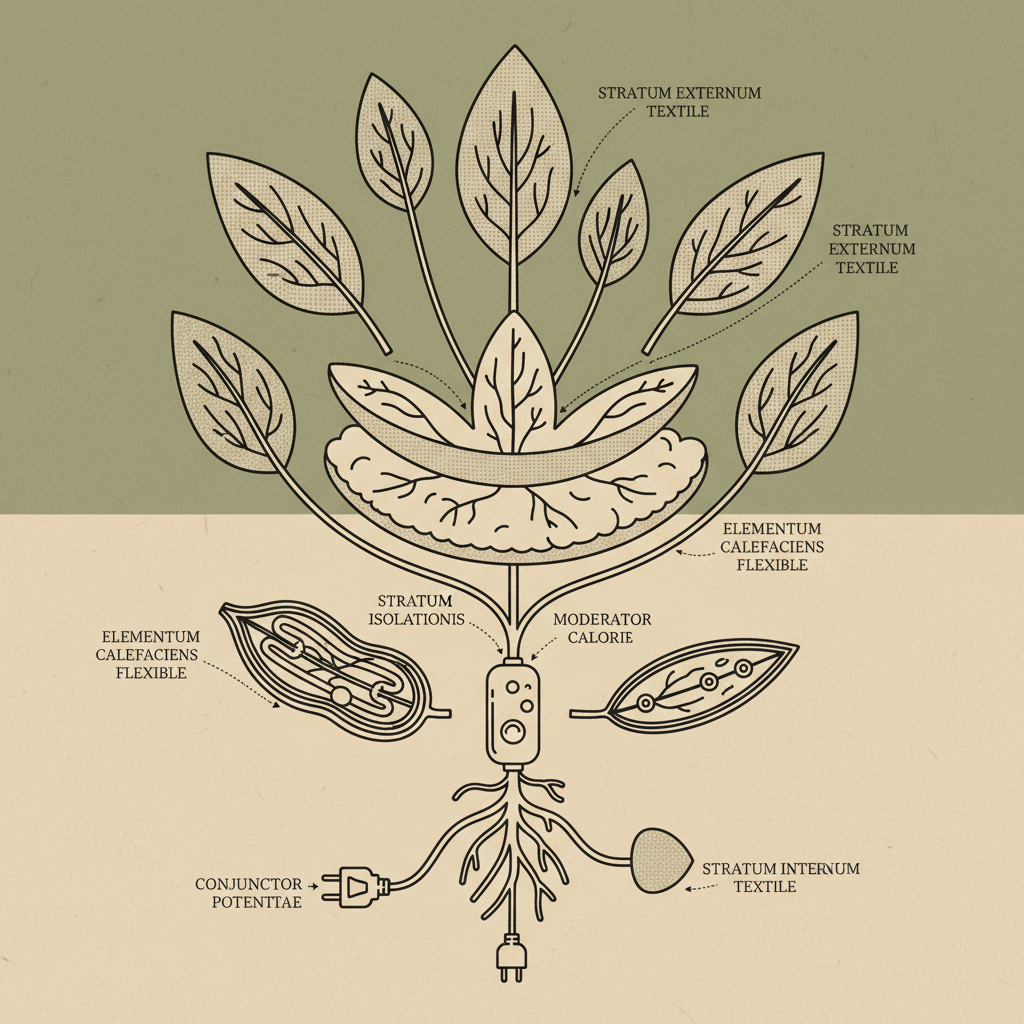
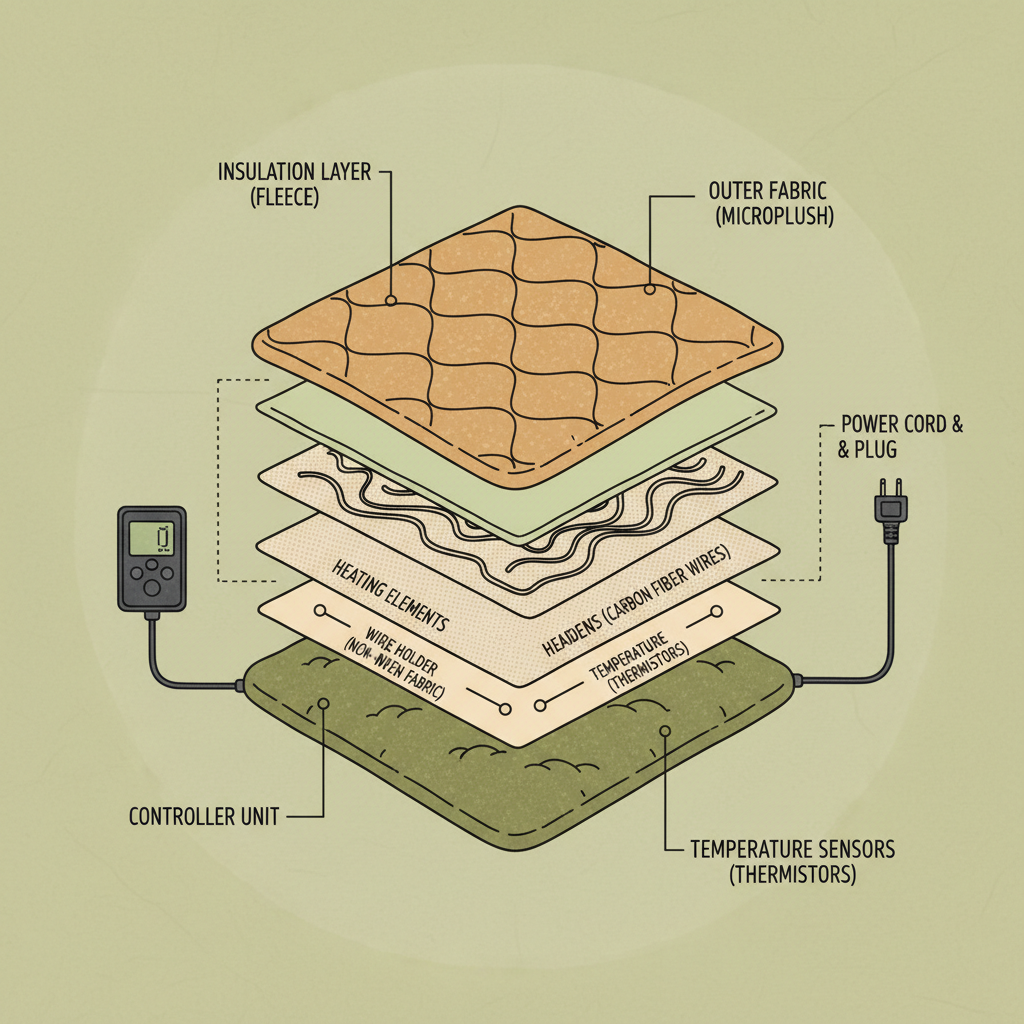
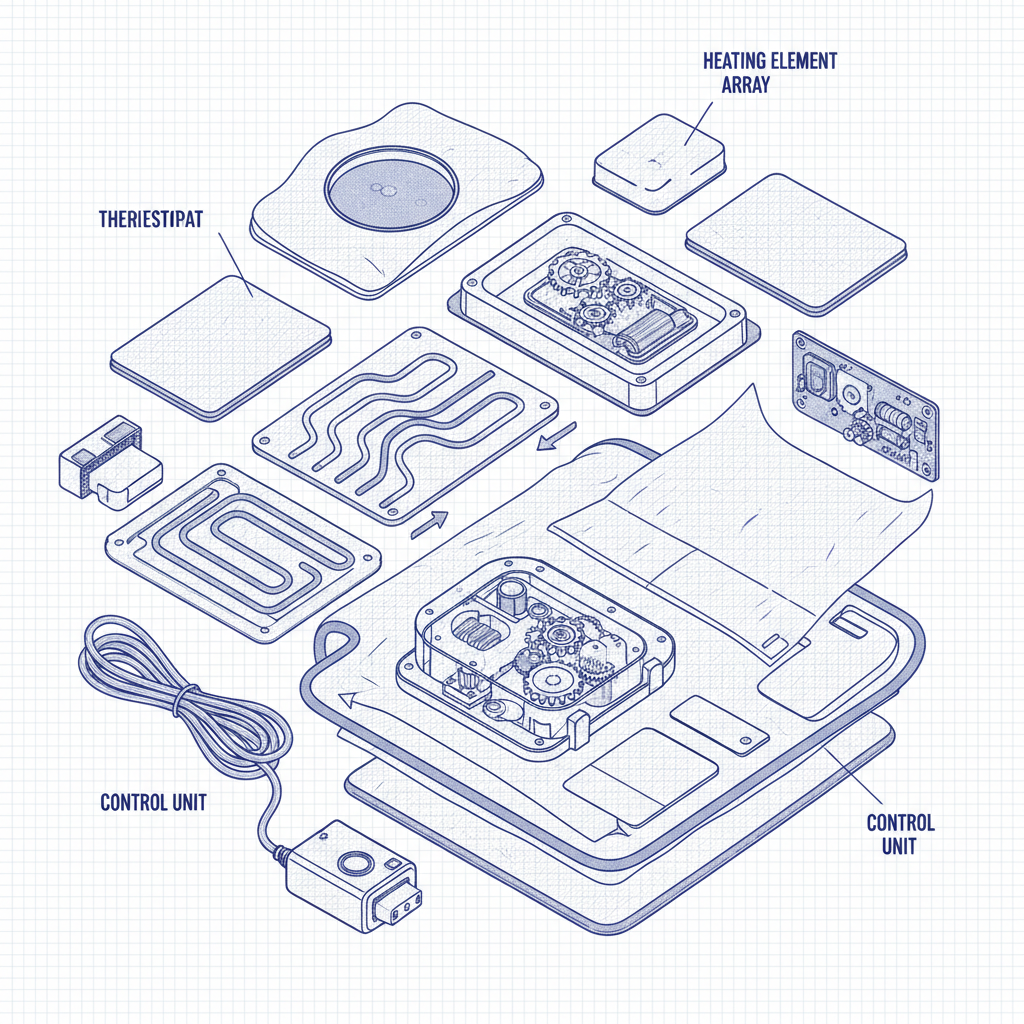
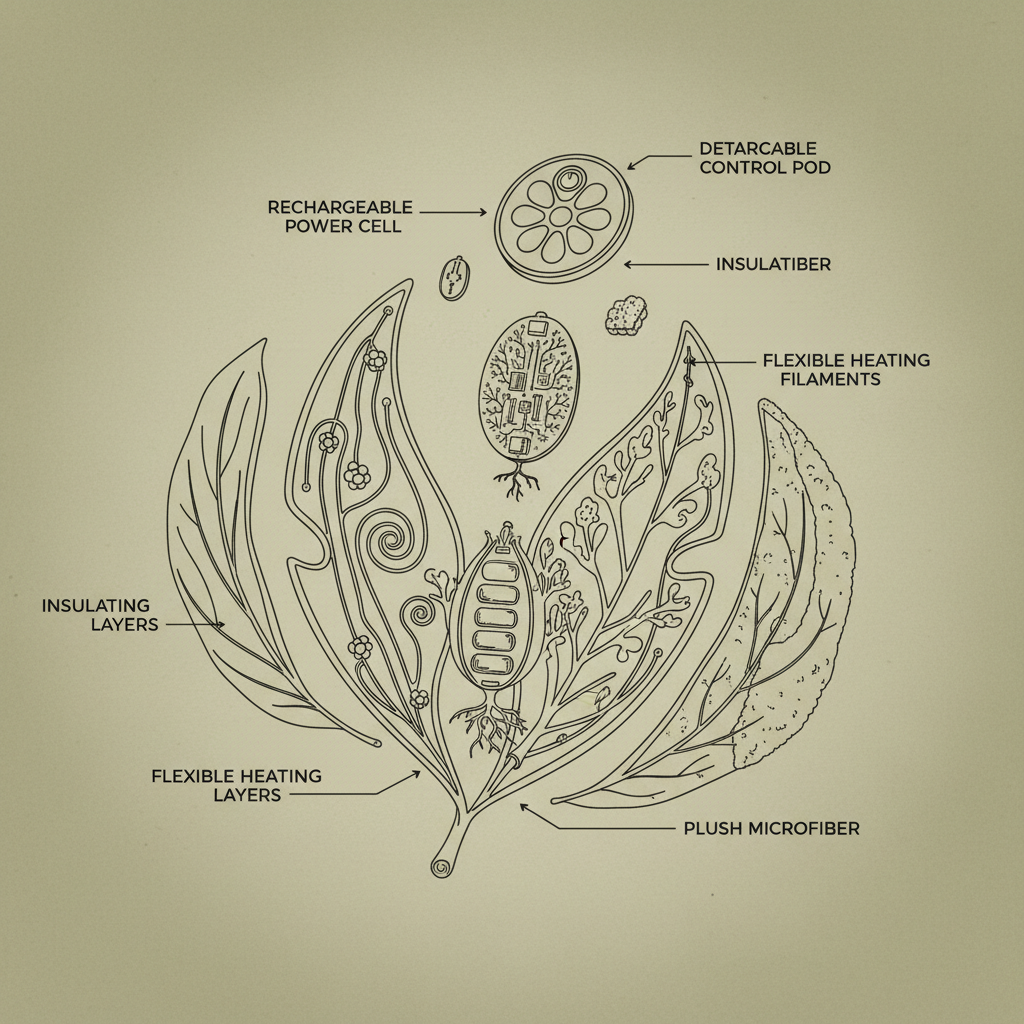
The biggest mistake I see is skimping on the heating elements. You get what you pay for, plain and simple. Cheap heating wires are prone to breaking, and they often don't distribute heat evenly. I've seen blankets where one corner is scorching hot, and the other is barely warm. Not ideal. Then there's the issue of washability. Most people aren't going to bother with a blanket that requires hand washing. But getting the heating elements properly sealed to withstand multiple washes? That's a real challenge.
Another trap? Ignoring the controller. A clunky, unintuitive controller can ruin an otherwise good blanket. It needs to be easy to use, even for people who aren't tech-savvy.
And don't even get me started on overheating protection. It's crucial, obviously, but a lot of manufacturers cut corners here to save money. That's just irresponsible.
Material Science: A Hands-On Perspective
Okay, let’s talk materials. The fleece, that’s usually polyester. Feels soft enough, but it gets static-y real quick. I prefer the microplush; it's a little more expensive, but it feels richer and doesn’t cling to everything. The wiring inside…now that’s where it gets interesting. They’re using nickel-chromium alloys mostly, good conductivity, but they smell a bit metallic when they first heat up, you know?
Then there's the insulation layer. That's usually a polyester fiberfill. It’s alright, but I’ve been hearing buzz about some new bio-based insulation materials. Apparently, they’re more sustainable and have better thermal properties. I haven't gotten my hands on any yet, but I'm curious to see how they perform in the field. Anyway, I think it’s good to see people trying to innovate beyond just the basic polyester.
The overall feel of the blanket, that matters too. You want something that’s warm and cozy, but also breathable. A blanket that makes you sweat is a no-go.
Real-World Testing of heated throw blanket
Lab testing is fine, but it doesn’t tell you the whole story. I like to see these things get abused. I mean, really abused. We take them to a laundromat and wash them dozens of times, put them through the dryer on high heat, and even let the kids spill juice and snacks on them.
We also do a "bend test", where we repeatedly fold and unfold the blanket to see if the heating elements break. And we’ve even had our guys sleep with them for a week straight, just to see how comfortable they are. Later… forget it, I won't mention it.
heated throw blanket Performance Metrics
How Users Actually Interact with heated throw blanket
You know, it's funny. We designed one blanket with a really complicated controller, thinking people would love all the customization options. Turns out, most people just set it to the highest setting and leave it there. They don’t want to fiddle with timers and temperature adjustments. They just want to be warm.
And a lot of people use them as foot warmers. I didn't even think of that when we were designing it!
Advantages and Disadvantages of heated throw blanket
Look, the advantages are pretty clear: warmth, comfort, and convenience. They're great for people who get cold easily, or who have muscle aches and pains. They can also save you money on your heating bill, if you use them instead of cranking up the thermostat. But... they’re not perfect. They can be a fire hazard if not used properly, they use electricity (which isn’t great for the environment), and they can be expensive to buy.
Honestly, the biggest disadvantage is the feeling of being tethered to an outlet. It limits where you can use the blanket.
And let's be real, they're not exactly fashion statements. Most of them are pretty bland-looking.
Customization and Specific Applications of heated throw blanket
We did a project last year for a hospital that wanted heated blankets with built-in massage features. That was interesting. We had to work closely with the engineers to make sure the massage motors didn't interfere with the heating elements. It was a challenge, but we pulled it off.
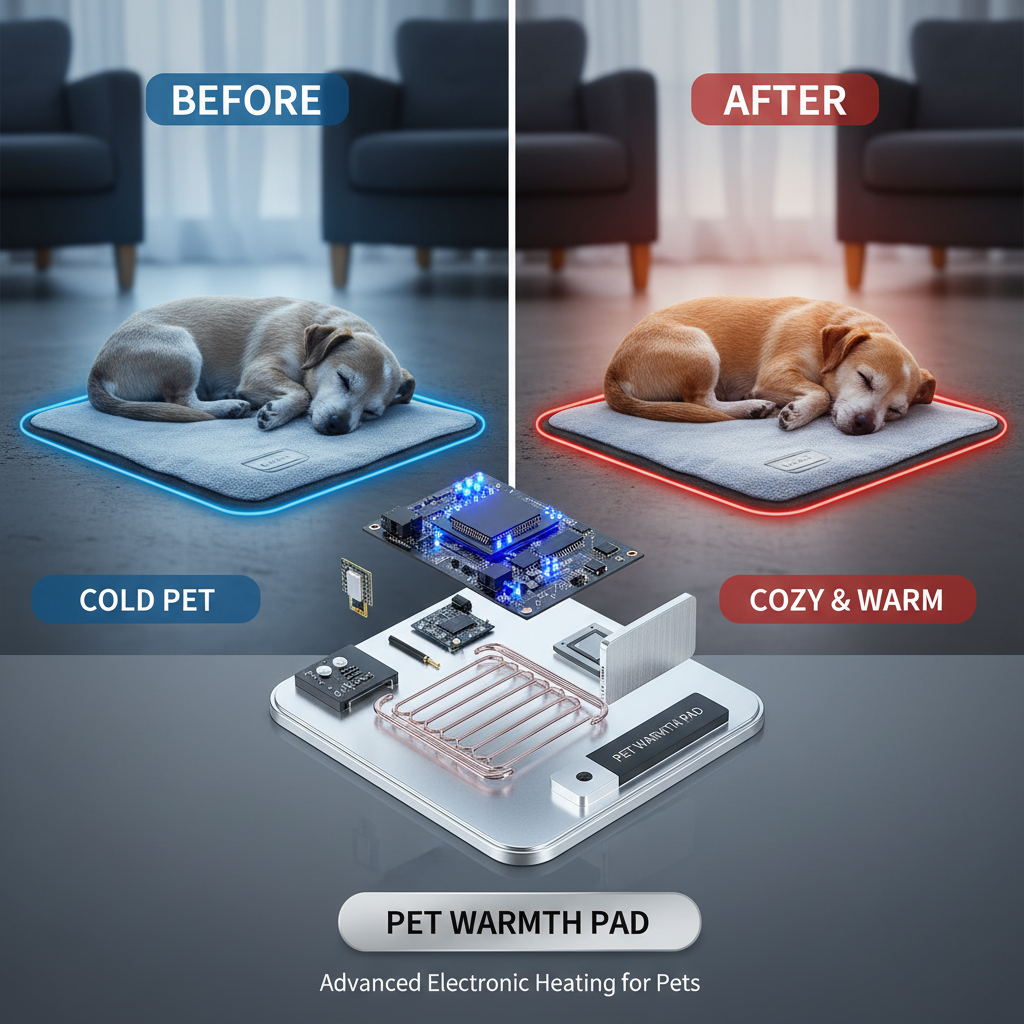
We’ve also done some custom blankets for pet owners, with waterproof linings and chew-resistant cords. Apparently, dogs love warm blankets too.
And last month, that small boss in Shenzhen who makes smart home devices insisted on changing the interface to . The result was a bunch of frustrated customers who couldn’t find the right cable. It’s always something, right?
heated throw blanket Feature Comparison
| Feature |
Low-End Model |
Mid-Range Model |
High-End Model |
| Heating Levels |
1-2 |
3 |
5+ |
| Washability |
Spot Clean Only |
Machine Washable (Delicate) |
Fully Machine Washable |
| Auto Shut-Off |
None |
2 Hours |
Adjustable (1-10 Hours) |
| Material Quality |
Basic Polyester |
Microplush |
Premium Sherpa |
| Controller Type |
Simple Switch |
Basic Dial |
Digital Display |
| Price Range |
$20-30 |
$40-60 |
$80+ |
FAQS
Most heated throw blankets can be machine washed, but always check the care label first! Generally, you should wash it every 1-2 months, or more frequently if you spill anything on it. Be sure to unplug the controller and follow the washing instructions carefully to avoid damaging the heating elements.
While many blankets have auto-shutoff timers, it’s generally not recommended to use a heated throw blanket all night while sleeping. Prolonged exposure to heat can potentially cause burns or overheating. It’s best to use it for a limited time to warm up, then turn it off before going to sleep.
First, double-check that the blanket is properly plugged in and that the controller is turned on. If it still doesn't work, it could be a faulty heating element or controller. In that case, do not attempt to repair it yourself. Contact the manufacturer for warranty information or consider replacing the blanket.
They can be, if used strategically. Instead of heating an entire room, a heated throw blanket allows you to focus warmth where you need it. However, they do consume electricity, so it's not a free source of heat. Look for blankets with energy-saving features, like low-power settings and auto-shutoff timers.
Absolutely not! Ironing can damage the delicate heating elements and potentially create a fire hazard. Most heated throw blankets are designed to be wrinkle-resistant, and if they do get wrinkled, you can gently smooth them out by hand or use a cool iron setting (but only if the care label specifically allows it).
Store it in a cool, dry place, preferably in its original packaging. Avoid folding it too tightly, as this can damage the heating elements. It's also a good idea to unplug the controller and store it separately to prevent accidental activation.
Conclusion
Ultimately, the heated throw blanket market is about finding that sweet spot between comfort, safety, and affordability. It's not always about the fanciest features or the highest price tag. It's about delivering a product that people can rely on to keep them warm and cozy, season after season.
And honestly, whether this thing works or not, the worker will know the moment he tightens the screw. You can build a thousand fancy prototypes, but if the thing falls apart after a few washes, it's all for nothing. That’s what I’ve learned after years on these sites, anyway.