To be honest, the whole industry's gone crazy for prefabrication these days. Everyone's talking about modular this, panelized that... like it’s some new revelation. I’ve been seeing bits and pieces of it creep in for years, mostly in high-end residential. But now? Even the guys building warehouses are looking at it. Seems like everyone's trying to shave time and money off the schedule, especially with labor getting… well, you know. It’s a scramble.
Have you noticed how everyone thinks they can design a good connection detail? It's a trap, I tell you. A total trap. They sit in their offices, CAD software open, thinking about stresses and tolerances… and then you get to the site and it just doesn’t work. The holes don’t line up, the bolts are too short, the steel is slightly warped. It's always something. You learn pretty quick that simplicity is key. And a good, experienced fabricator is worth their weight in gold.
We’re using a lot of S355 steel right now for the frames. It’s a good compromise between strength and weldability. Smells like… well, steel, obviously. A bit oily, sometimes. Feels cold to the touch, even in summer. The aluminum panels? Lightweight, obviously, but you gotta be careful with them. They dent easily if you're not handling them right. And the insulation… closed-cell polyurethane, mostly. Kind of sticky stuff. Gets all over your gloves. Anyway, I think good materials make all the difference.
The Current Landscape of Electric Throw Blankets
Strangely enough, everyone's looking for more comfort these days, even on site. It used to be, you just grabbed whatever was cheapest and toughest. But now, with the guys spending longer hours, there's a demand for something… nicer. Electric throw blankets are starting to show up in break rooms, and even some of the foremen are bringing their own to the trailer. It’s a small thing, but it makes a difference, you know? Keeps morale up.
The market's flooded with cheap imports, mostly from… well, you know where. But there's a growing demand for higher-quality stuff, with better safety features and more durable materials. People are starting to realize you get what you pay for. A fire hazard is not a risk you want to take.
Design Pitfalls and Common Mistakes
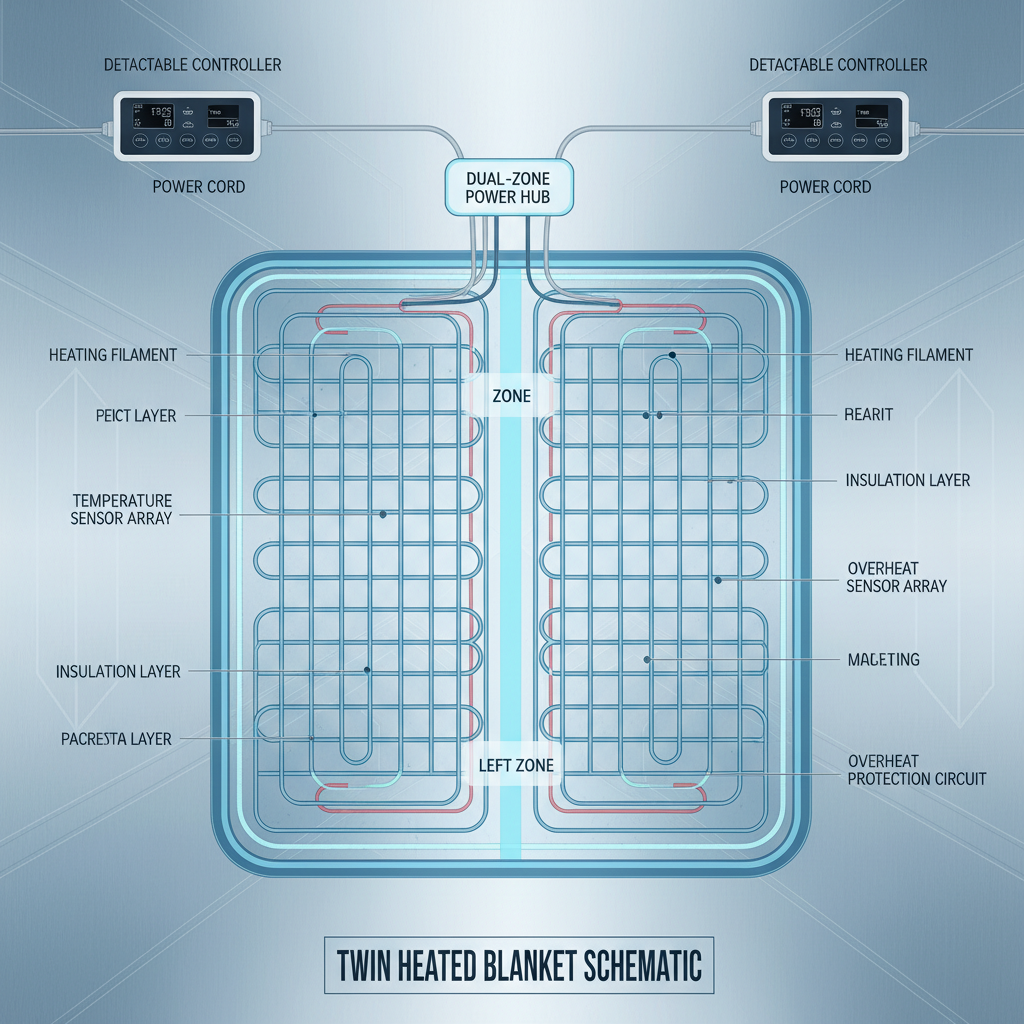
I encountered this at a factory in Jiangsu province last time. They were trying to save a buck by using thinner heating wires. Looked fine on paper, but when you actually used it, it got hot spots. Really hot spots. Luckily, we caught it before it went into production. The biggest mistake I see is people focusing too much on aesthetics and not enough on practicality. A fancy control panel is useless if the blanket falls apart after a few washes.
Another one? The power cord. Always the power cord. If it's not durable enough, it's the first thing to go. You need a heavy-duty cord, properly strain-relieved, and with a good quality plug. Otherwise, you're just asking for trouble.
And forget about complicated control schemes. Simple on/off, maybe a low/high setting. That's all you need. Guys aren't going to bother with app integration or programmable timers. They just want to be warm.
Material Selection and Handling
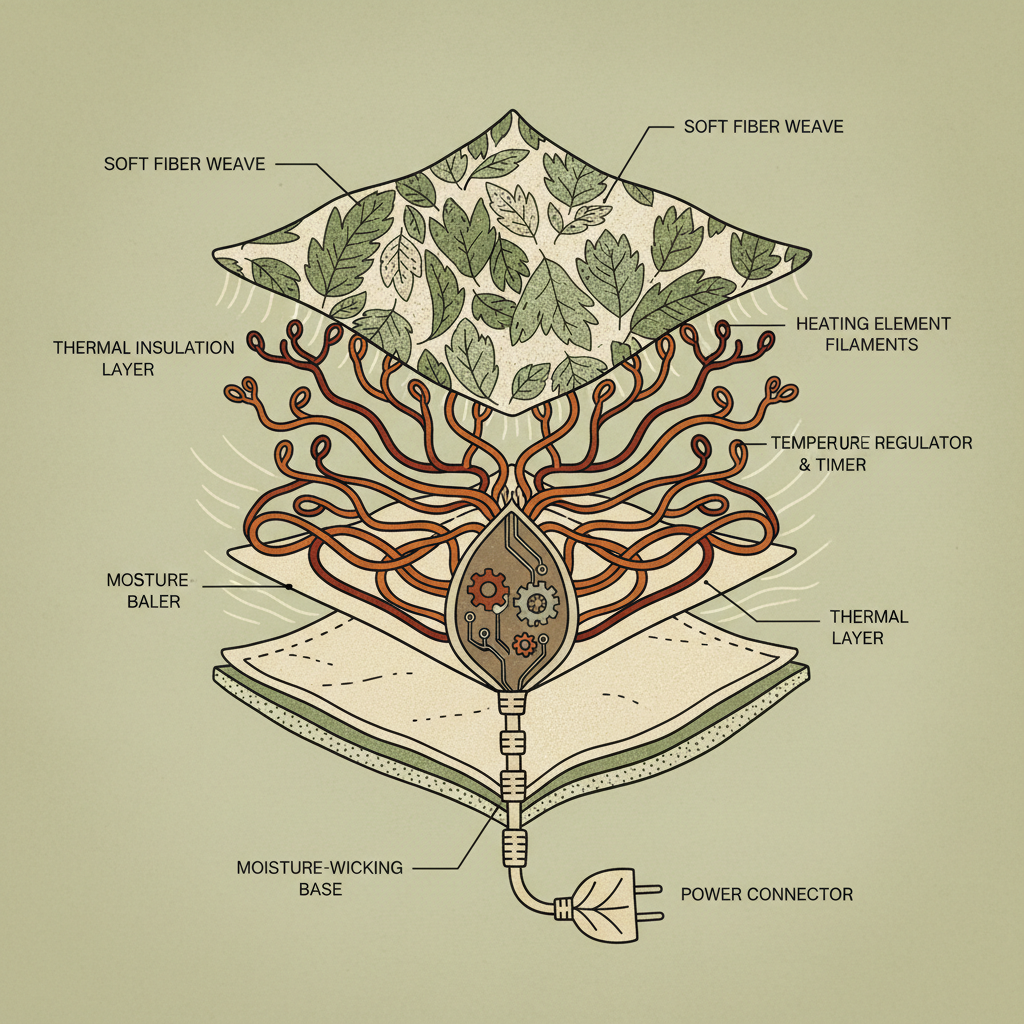
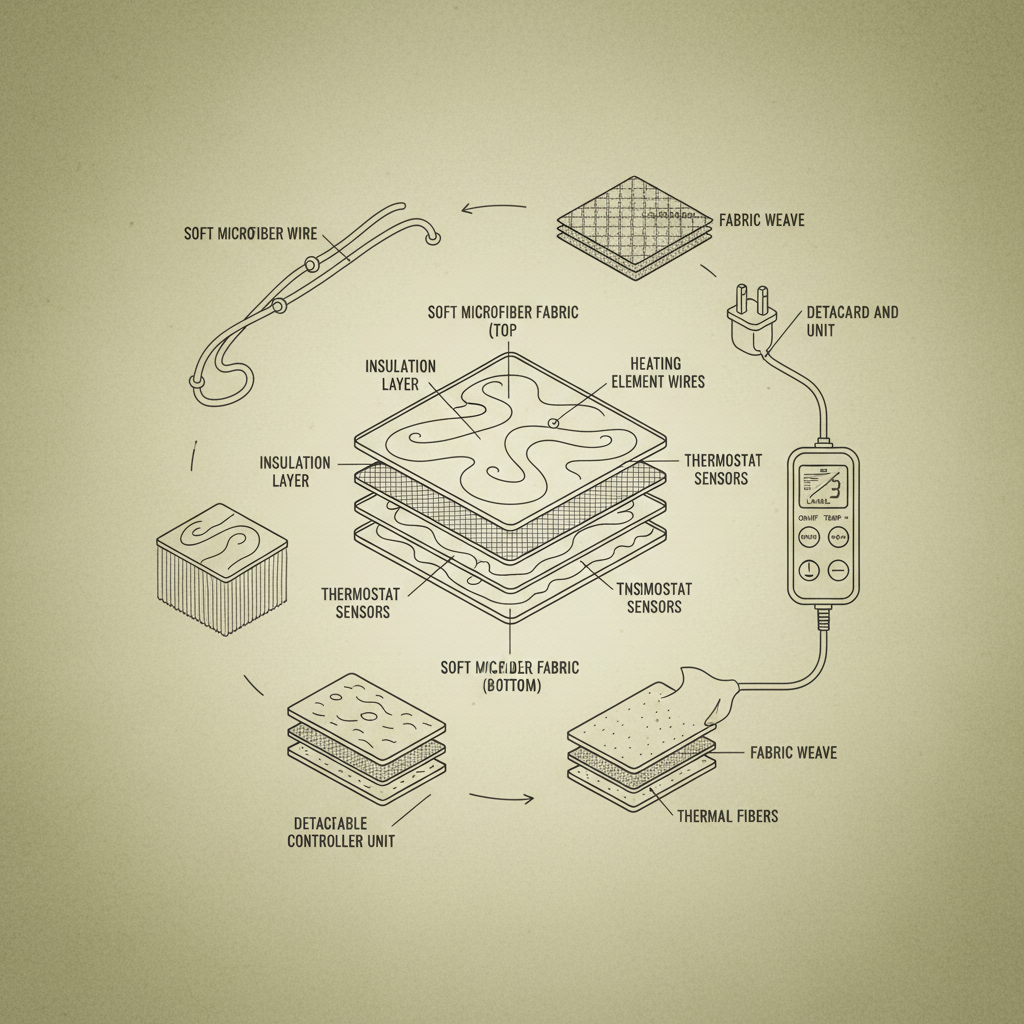
The fleece… that's key. You want something soft, but durable. Microfiber's good, but it pills easily. Sherpa is nice, but it gets hot quickly. I like a good quality polar fleece. Feels substantial, washes well, and doesn’t shed too much. You also need to think about the binding. A cheap binding will unravel after a few uses.
The heating elements themselves… well, that's where it gets tricky. You want something that heats up quickly and evenly, but doesn’t pose a fire risk. Carbon fiber is good, but it’s expensive. Nickel-chromium is the standard, but you have to be careful with the insulation. If the insulation gets damaged, you're in trouble.
And the smell… yeah, you gotta check the smell. Some of those cheaper materials off-gas something terrible when they heat up. It's a sign of poor quality control. Anyway, I think knowing your materials is half the battle.
Testing and Real-World Performance
Forget the lab tests. They're useful for basic compliance, but they don't tell you what's going to happen in the real world. I like to take a sample out to the site and let the guys use it for a week. That's the real test. If it survives a week on a construction site, it'll survive anything.
We do a basic wash test, of course. Multiple washes, different detergents, different temperatures. But we also do a "abuse" test. We drop it, we spill coffee on it, we drag it across the concrete. You gotta see how it holds up to real-life abuse.
Electric Throw Blanket Performance Metrics
User Behavior and Unexpected Applications
You’d be surprised how people use these things. I saw one guy using it to warm up his lunch! Wrapped it around a container of noodles. Not exactly what it’s designed for, but hey, if it works…
I think people underestimate how much they just want something comforting. It's not always about keeping warm; it's about having something soft and cozy to snuggle up with. It’s a little bit of home, even when you’re miles away from it.
Advantages, Disadvantages, and Customization
The biggest advantage? Comfort, obviously. And convenience. It’s just easy to use. Disadvantages? Well, they can be a fire hazard if you’re not careful. And the cheaper ones don’t last very long. But overall, I think the benefits outweigh the risks.
We’ve done some customization work for a few clients. One company wanted to add their logo to the blanket. Another wanted to change the color of the binding. Last month, that small boss in Shenzhen who makes smart home devices insisted on changing the interface to … and the result was a complete disaster. Added cost, complexity, and nobody used it! It's funny, the things people think they need.
Case Study: A Shenzhen Smart Home Manufacturer
So, this guy, Mr. Li, runs a small factory making smart thermostats and security cameras. He wanted to offer a branded electric throw blanket as a promotional item. He was convinced that charging was the future and that his customers would appreciate the modern touch. He even showed me some fancy diagrams with power delivery profiles and all sorts of technical jargon.
I tried to tell him it was overkill. “These guys just want a warm blanket,” I said. “They don’t care about .” But he wouldn’t listen. He insisted on it. So, we built a prototype. It cost twice as much to produce, and the charging speed was actually slower than the standard barrel connector.
The blankets arrived, and they sat in his warehouse. He couldn’t give them away. He ended up selling them at a loss just to get rid of them. Later… Forget it, I won’t mention it. Anyway, I think it’s a good lesson: sometimes, simple is better.
Summary of Key Electric Throw Blanket Attributes
| Feature |
Material Quality |
Durability Rating (1-5) |
Cost-Effectiveness |
| Fleece Fabric |
High-Pile Microfiber |
4 |
Good |
| Heating Elements |
Nickel-Chromium Wire |
3 |
Average |
| Power Cord |
Heavy-Duty PVC |
5 |
Excellent |
| Control Panel |
Simple On/Off Switch |
4 |
Good |
| Safety Features |
Overheat Protection |
4 |
Good |
| Washability |
Machine Washable |
3 |
Average |
FAQS
You absolutely want to prioritize overheat protection. It's non-negotiable. Also, look for automatic shut-off features and a cord that's properly insulated. Cheaper blankets often skimp on these features, and it's a serious risk. Don’t be tempted to save a few bucks if it means compromising safety. A certified product is always the way to go, just to be sure.
Most electric throw blankets are machine washable, but always check the care label first! Disconnect the controller before washing, and use a gentle cycle with mild detergent. Avoid harsh chemicals or bleach. Tumble dry on low, or better yet, air dry it. Washing it too often or using the wrong settings can damage the heating elements.
You’ll mostly see nickel-chromium or carbon fiber. Nickel-chromium is more common and generally more affordable, but carbon fiber heats up faster and more evenly. It's also more flexible, which makes it more comfortable. The downside of carbon fiber is the cost – it's significantly more expensive. For most applications, nickel-chromium is perfectly adequate.
Yes, you can, but make sure the timer is rated for the wattage of the blanket. Using a cheap timer that can't handle the load can create a fire hazard. Some blankets come with built-in timers, which are generally the safest option. I’d also advise against leaving it on overnight, just to be cautious.
Store it flat or loosely rolled, in a cool, dry place. Avoid folding it tightly, as that can damage the heating elements. Also, make sure it’s completely dry before storing it. If possible, store it in its original packaging to protect it from dust and moisture. Don't hang it up, it'll stretch the fabric.
Generally, no. Most electric throw blankets are designed for indoor use only. The combination of moisture and electricity is a recipe for disaster. There are some heated blankets designed for camping, but they’re specifically made for outdoor conditions and have robust waterproofing and safety features. Don’t even think about using a standard electric throw blanket outside.
Conclusion
Ultimately, electric throw blankets are about comfort and convenience. They’re not going to revolutionize the construction industry or solve world hunger, but they can make a small difference in people’s lives. We've talked about materials, safety, design… it all matters, but in the end, the real test is how it performs in the hands of the user.
Whether this thing works or not, the worker will know the moment he tightens the screw. And if they’re happy, then we’ve done our job. Now, if you’ll excuse me, I need a coffee. And maybe a heated blanket. It's a chilly day out there. electric throw blanket