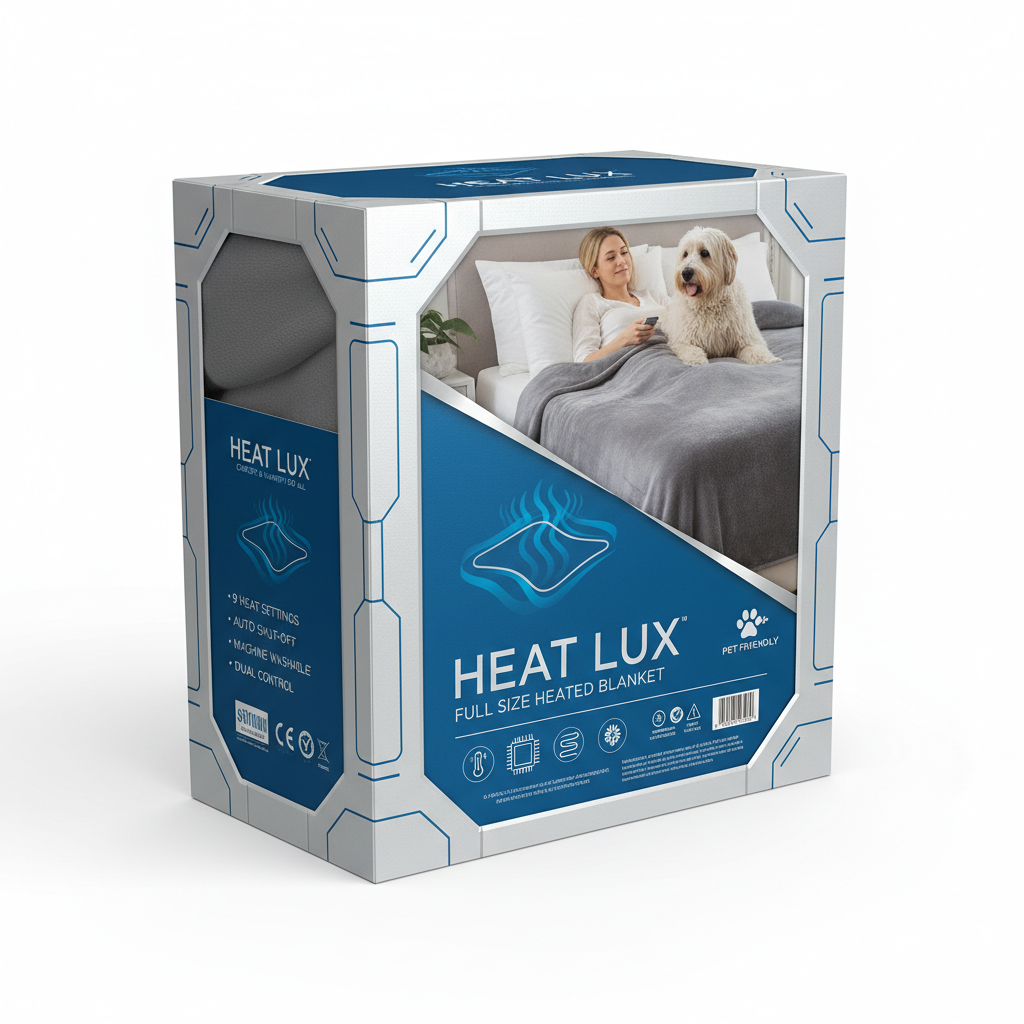
Battery electric blankets represent a significant advancement in personal heating technology, offering a safe, convenient, and increasingly sustainable alternative to traditional heating methods. They’ve moved beyond simple heating pads to become sophisticated, portable solutions increasingly popular in various climates and lifestyles. Understanding their benefits, from energy efficiency to personalized comfort, is crucial in a world seeking innovative ways to manage energy consumption and improve quality of life.
The global relevance of battery electric blankets stems from a growing demand for off-grid heating solutions, particularly in regions prone to power outages or lacking established infrastructure. The UN estimates over 770 million people lack access to electricity. This makes portable, battery-powered heating incredibly valuable, and drives the demand for battery electric blanket technologies. Furthermore, rising energy costs and environmental concerns are pushing consumers toward energy-efficient alternatives.
The increasing demand for portable, reliable, and safe heating solutions necessitates a deeper look at battery electric blankets. They offer a level of comfort and accessibility that traditional heating methods often cannot provide, especially in emergency situations, outdoor activities, or for individuals with limited mobility. Their growing popularity underscores the need for informed understanding of their capabilities and ongoing advancements.
The Core Principles of battery electric blanket
At their core, battery electric blankets operate on the principle of converting electrical energy stored in a battery into thermal energy. This is achieved through resistive heating elements embedded within the blanket's fabric. The efficiency of this conversion, coupled with the battery’s capacity, determines the blanket’s heating power and duration. Modern battery electric blanket designs emphasize both heating efficiency and battery longevity.
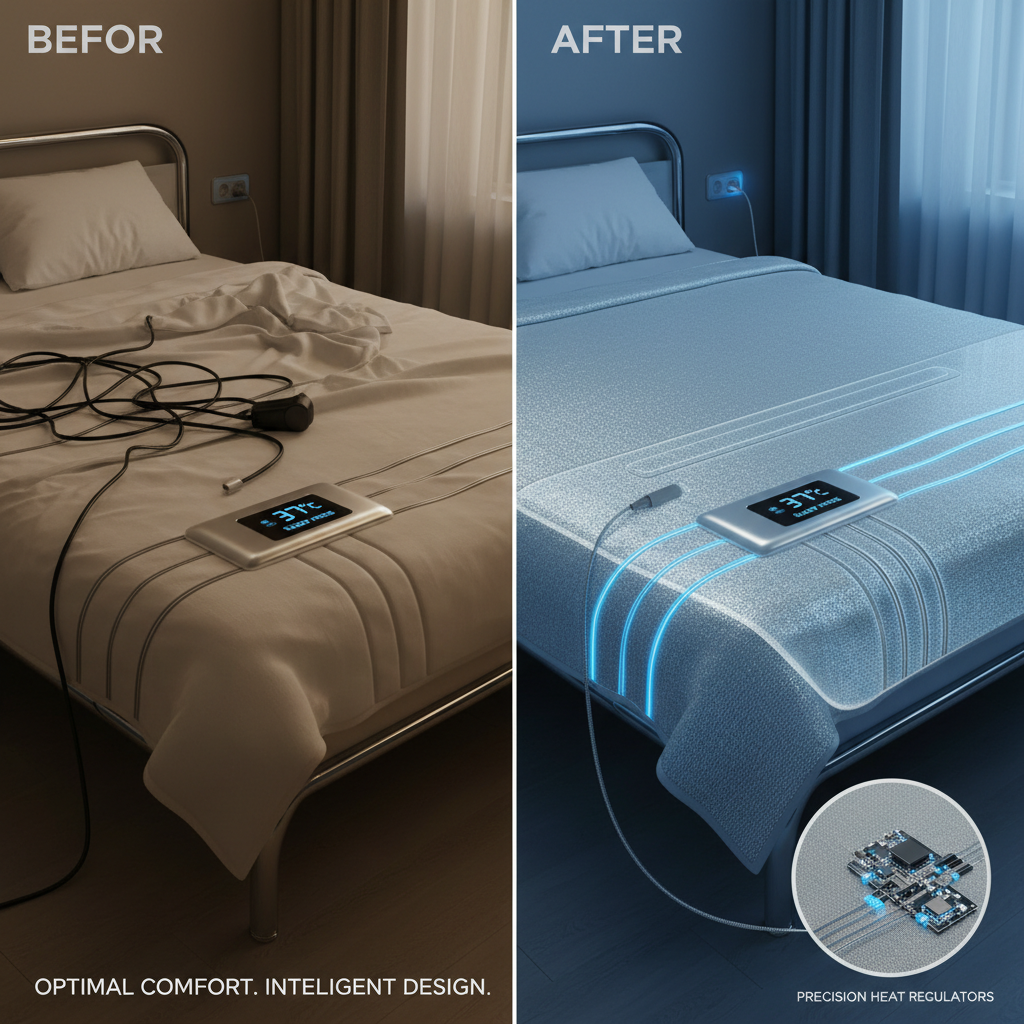
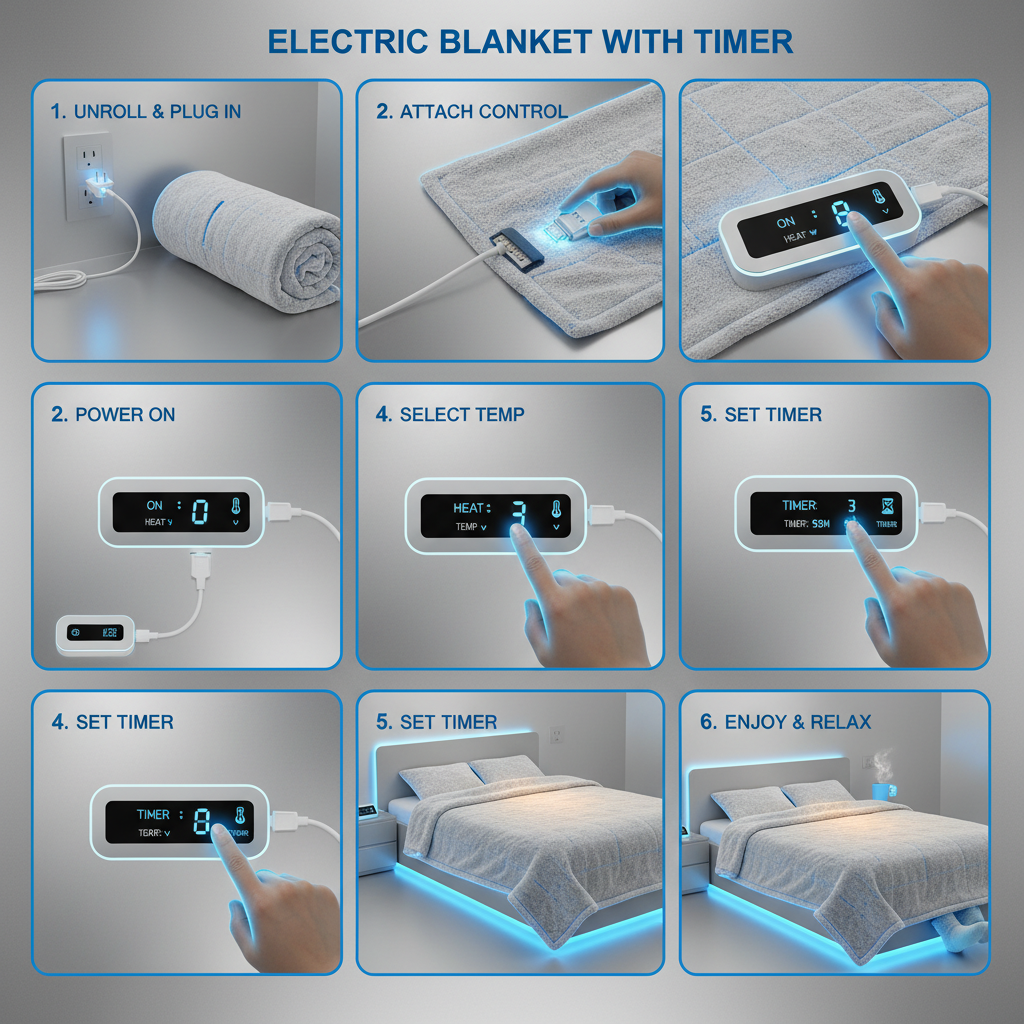
The ability to regulate temperature is also a key principle. Advanced models incorporate temperature control systems, allowing users to customize their heating experience and optimize energy consumption. This controlled heating distinguishes battery electric blankets from less efficient, unregulated heating solutions and contributes to their safety and user comfort.
Defining a battery electric blanket
A battery electric blanket is a portable heating device consisting of a fabric blanket containing embedded heating elements powered by a rechargeable battery. Unlike traditional electric blankets that require a mains power supply, battery electric blankets offer cordless operation, providing warmth in various settings without access to an electrical outlet. This makes them ideal for outdoor use, travel, or emergency situations.
The development of battery electric blankets is directly linked to advancements in battery technology, particularly lithium-ion batteries, which provide high energy density and relatively long lifespans. This technology allows for a practical and safe way to deliver warmth independent of a wall socket, meeting a growing need for portable heating solutions.
This innovation connects to a broader trend of cordless and portable devices designed for convenience and adaptability, mirroring the shift toward mobile lifestyles and the desire for self-sufficiency. It’s a clear example of how technological advancements address practical needs in a modern world.
Key Components and Materials
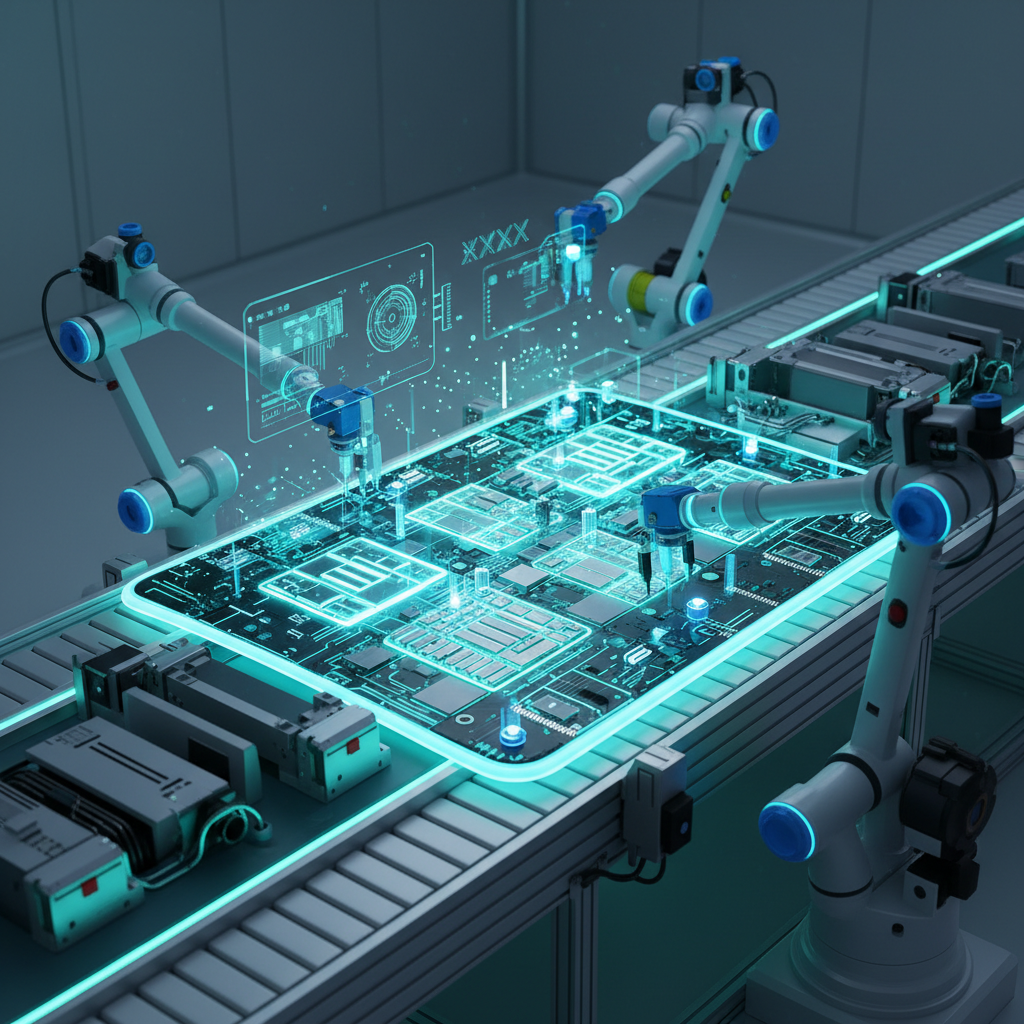
Several key components contribute to the functionality and performance of a battery electric blanket. The battery itself, typically lithium-ion, is the heart of the system, storing the energy required for heating. The heating elements, usually made of resistive wires, convert the electrical energy into thermal energy. These elements are carefully integrated into the fabric to ensure even heat distribution.
The fabric itself plays a crucial role. Materials like fleece, microplush, or sherpa are often used for their softness, insulation properties, and comfort. Additionally, safety features such as overheat protection and automatic shut-off timers are integrated into the control system to prevent accidents and ensure user safety.
Beyond these core components, the quality of the control circuitry and the battery management system significantly impact the blanket’s lifespan, efficiency, and safety. High-quality components translate to more reliable performance and a longer product life.
Performance Metrics and Efficiency
Evaluating a battery electric blanket involves considering several key performance metrics. Heating power, measured in watts, indicates the rate at which the blanket generates heat. Battery capacity, measured in watt-hours (Wh), determines how long the blanket can operate on a single charge. These two factors directly impact the blanket’s overall heating time and usability.
Energy efficiency is also critical. A more efficient blanket will deliver more heat per unit of energy consumed, resulting in longer runtimes and reduced energy costs. Thermal retention – how well the blanket maintains heat once it’s reached the desired temperature – is another important factor influencing user comfort and battery life.
Battery Electric Blanket Performance Comparison
Global Applications and Market Reach
Battery electric blankets find applications in diverse scenarios across the globe. They are popular among outdoor enthusiasts – campers, hikers, and attendees of outdoor events – providing portable warmth in colder climates. In regions prone to power outages, such as those affected by natural disasters, battery electric blanket can be life-saving, offering a critical source of warmth and comfort.
Advantages and Future Outlook
The advantages of battery electric blankets are numerous. Their portability provides warmth where traditional heating is unavailable. Their energy efficiency, compared to traditional electric blankets running on mains power, can lead to cost savings. They offer increased safety by eliminating the risk of electrical shock in wet or remote environments.
Looking ahead, advancements in battery technology – such as solid-state batteries offering higher energy density and faster charging times – will likely lead to even more powerful and convenient battery electric blankets. Integration with smart home technology and personalized heating profiles are also potential future developments.
Challenges and Innovation in battery electric blanket Technology
Despite their benefits, battery electric blankets face certain challenges. Battery life remains a key limitation, as longer runtimes require larger and heavier batteries. Cost is another factor, as high-quality batteries and advanced control systems can increase the overall price. Ensuring durability and longevity, especially with repeated charging and use, is also crucial.
Ongoing innovation is focused on addressing these challenges. Researchers are exploring new battery chemistries and improved thermal insulation materials to enhance efficiency and reduce weight. Smart power management systems are being developed to optimize battery usage and extend runtime.
Sustainable materials and manufacturing processes are also gaining attention, reflecting a growing demand for eco-friendly products. By overcoming these hurdles, the future of battery electric blankets looks bright, promising even greater convenience, performance, and sustainability.
Summary of Challenges and Innovative Solutions in Battery Electric Blanket Technology
| Challenge |
Impact on Battery Electric Blanket |
Innovative Solution |
Expected Outcome |
| Limited Battery Life |
Reduced usability and runtime. |
Solid-state battery technology |
Increased energy density and longer runtime. |
| High Production Cost |
Lower market accessibility. |
Optimized material sourcing and manufacturing processes. |
Reduced production costs and increased affordability. |
| Durability Concerns |
Reduced product lifespan and potential for failure. |
Enhanced fabric reinforcement and robust battery casing. |
Improved product longevity and reliability. |
| Thermal Efficiency |
Heat loss and reduced heating performance. |
Advanced insulation materials and optimized heating element design. |
Enhanced heat retention and improved heating efficiency. |
| Sustainability |
Environmental impact of battery disposal and material sourcing. |
Use of recycled materials and eco-friendly manufacturing processes. |
Reduced environmental footprint and improved sustainability. |
| Smart Functionality |
Limited user control and personalization. |
Integration with smart home systems and mobile applications. |
Enhanced user experience and personalized heating control. |
FAQS
The runtime of a battery electric blanket varies significantly depending on the battery capacity, the heating setting used, and the ambient temperature. Generally, a fully charged blanket can provide between 4 to 10 hours of warmth on a medium setting. Lower settings will extend the runtime, while higher settings will reduce it. Newer models with higher-capacity batteries can offer even longer usage times.
Modern battery electric blankets are designed with safety in mind and are generally safe to use while sleeping. Most models include overheat protection, which automatically shuts off the heating elements if they reach a dangerous temperature. However, it's crucial to follow the manufacturer's instructions and avoid using damaged blankets or those with frayed wiring. Also, avoid folding the blanket excessively while in use.
Proper care is essential for maximizing the lifespan of your battery electric blanket. Always disconnect the battery before cleaning. Most blankets are machine washable on a gentle cycle with mild detergent. Avoid using bleach or fabric softener. Allow the blanket to air dry completely before reconnecting the battery. Store the blanket in a cool, dry place when not in use.
The vast majority of battery electric blankets utilize lithium-ion batteries due to their high energy density, relatively lightweight design, and long lifespan. Lithium-ion batteries offer a good balance of performance and safety. Some newer models are starting to explore solid-state battery technology, which promises even greater energy density and improved safety features, but these are currently more expensive.
Yes, a battery electric blanket can be a valuable asset in cold weather outdoor activities. They provide a portable and convenient source of warmth for camping, hiking, or attending outdoor events. However, it's important to protect the battery from extreme cold, as low temperatures can reduce its performance and lifespan. Consider using an insulated battery pouch or keeping the battery close to your body for warmth.
Compared to traditional electric blankets requiring constant mains power, battery electric blankets can be more environmentally friendly, particularly if powered by renewable energy sources. However, battery production and disposal do have environmental impacts. Choosing blankets from manufacturers committed to sustainable materials and responsible battery recycling practices can minimize their environmental footprint.
Conclusion
Battery electric blankets have evolved from a niche product to a versatile and increasingly essential heating solution, addressing needs ranging from outdoor comfort to emergency preparedness. Their portability, energy efficiency, and safety features, combined with ongoing advancements in battery technology and sustainable materials, make them a compelling alternative to traditional heating methods. The benefits extend beyond individual comfort, contributing to energy conservation and providing reliable warmth in situations where access to conventional power is limited.
As technology continues to evolve, we can expect even more innovative and efficient battery electric blankets to emerge, catering to a wider range of applications and lifestyles. Investing in a quality battery electric blanket isn't just about acquiring a comfortable heating device – it’s embracing a forward-thinking solution that prioritizes convenience, sustainability, and personal wellbeing.