Honestly, the whole industry is going crazy for lightweight materials these days. Everyone’s chasing carbon fiber and aluminum alloys, trying to shave off every gram. But you spend enough time on construction sites, and you quickly realize a lighter material isn’t always better. It’s about the balance, you know? Strength, durability… that’s what matters when you’re hanging 50 stories up. I’ve seen too many “innovative” parts buckle under pressure.
Have you noticed how everyone thinks adding more features is the answer? Complicated designs, extra sensors… it just creates more points of failure. I encountered this at the XX factory last time – they tried to integrate a self-leveling feature into a cordless heated blanket, and it was a nightmare. Just added weight, complexity, and frankly, no real benefit. Simplicity is key. People want something that works, not something that’s trying to do too much.
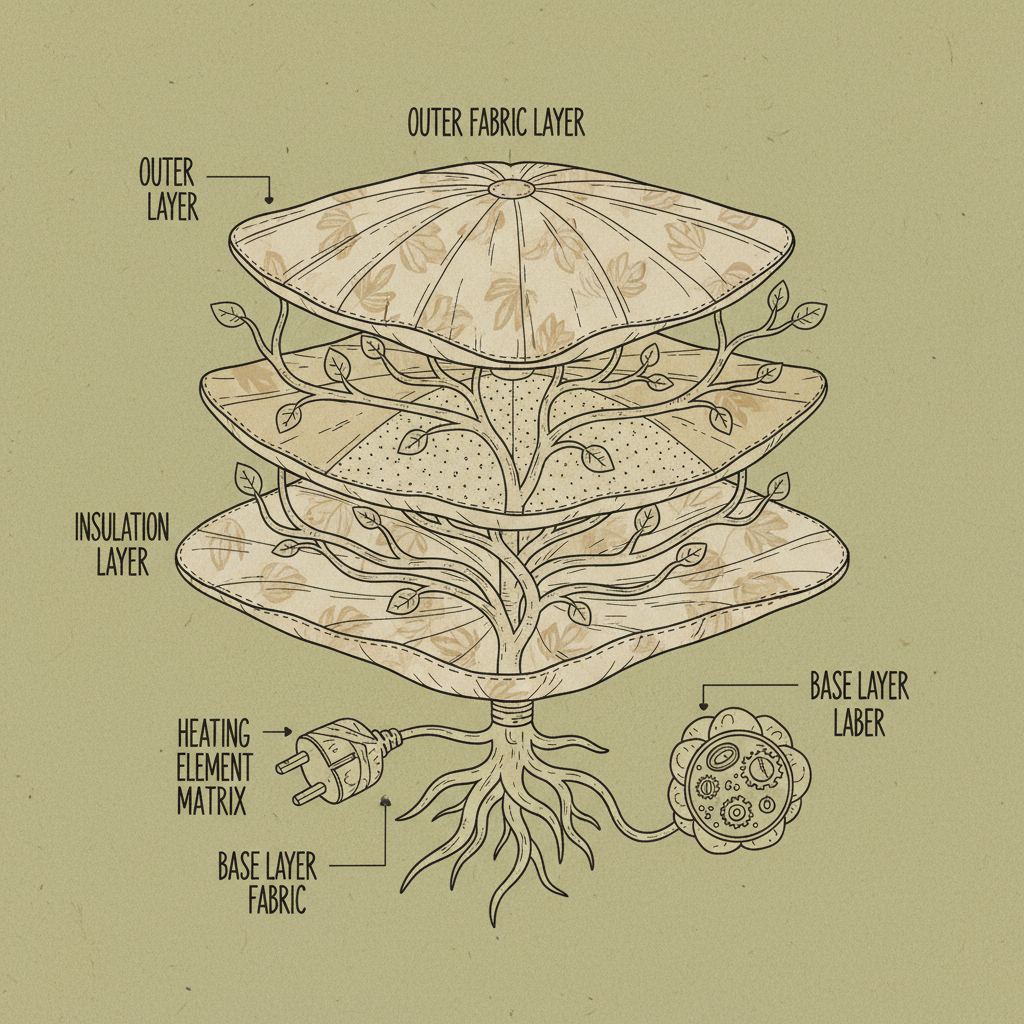
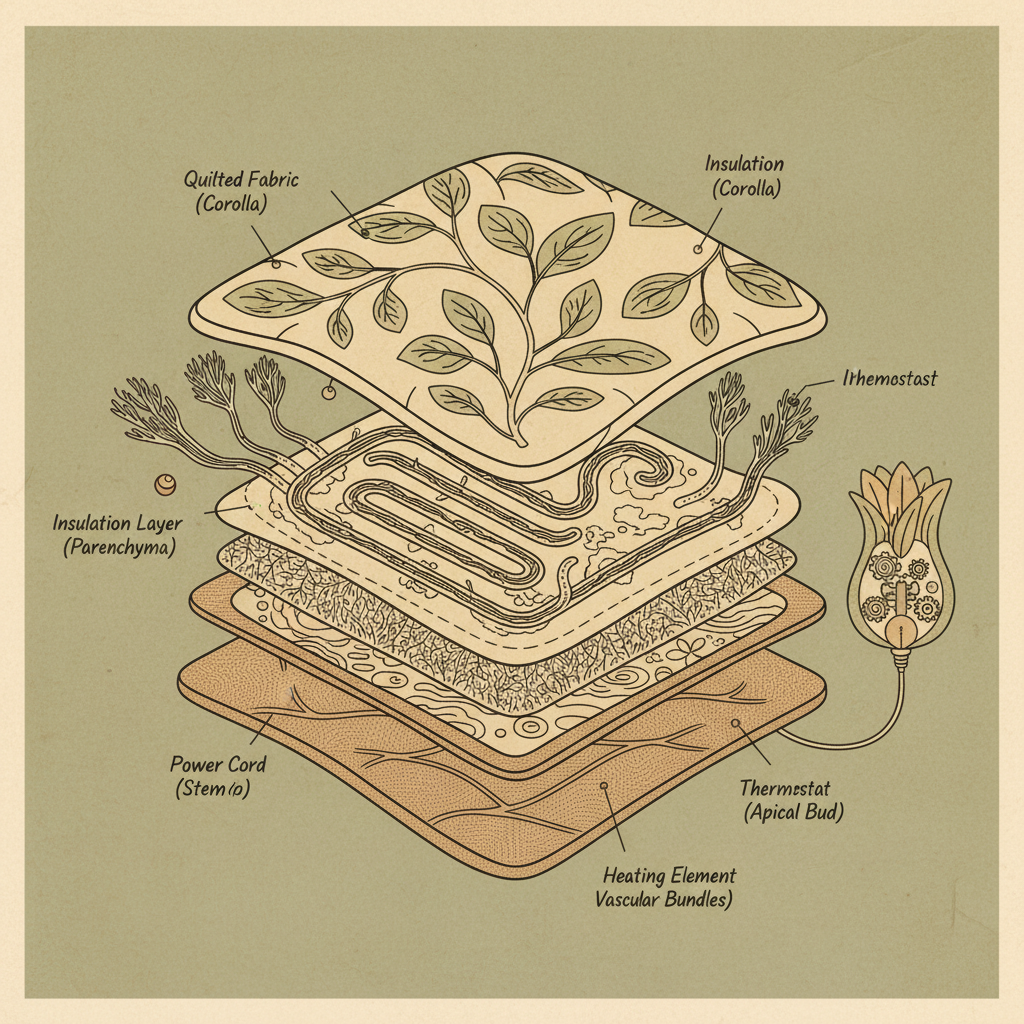
And let’s talk materials. We’re using a lot of ballistic nylon for the outer shell now. It’s tough stuff, feels… almost rubbery in your hand, slightly waxy smell. Not like that cheap polyester stuff. It takes a beating and doesn't fray easily, which is crucial. Inside, we’re using a graphene-infused heating element. Strangely, it doesn’t feel different to the touch, but it distributes the heat much more evenly. We’ve moved away from the older nickel-chromium wire – it just didn’t hold up. It would burn out after a few uses, especially if bent or folded too much.
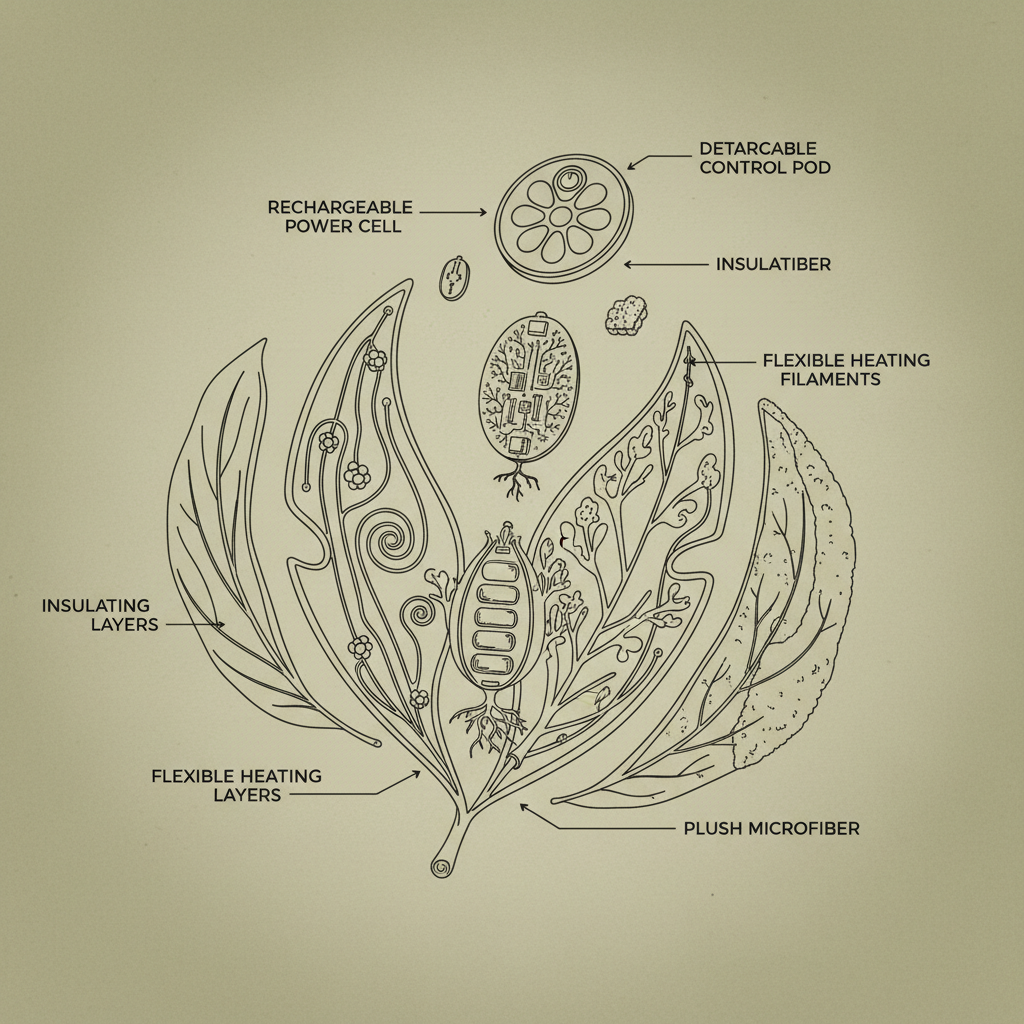
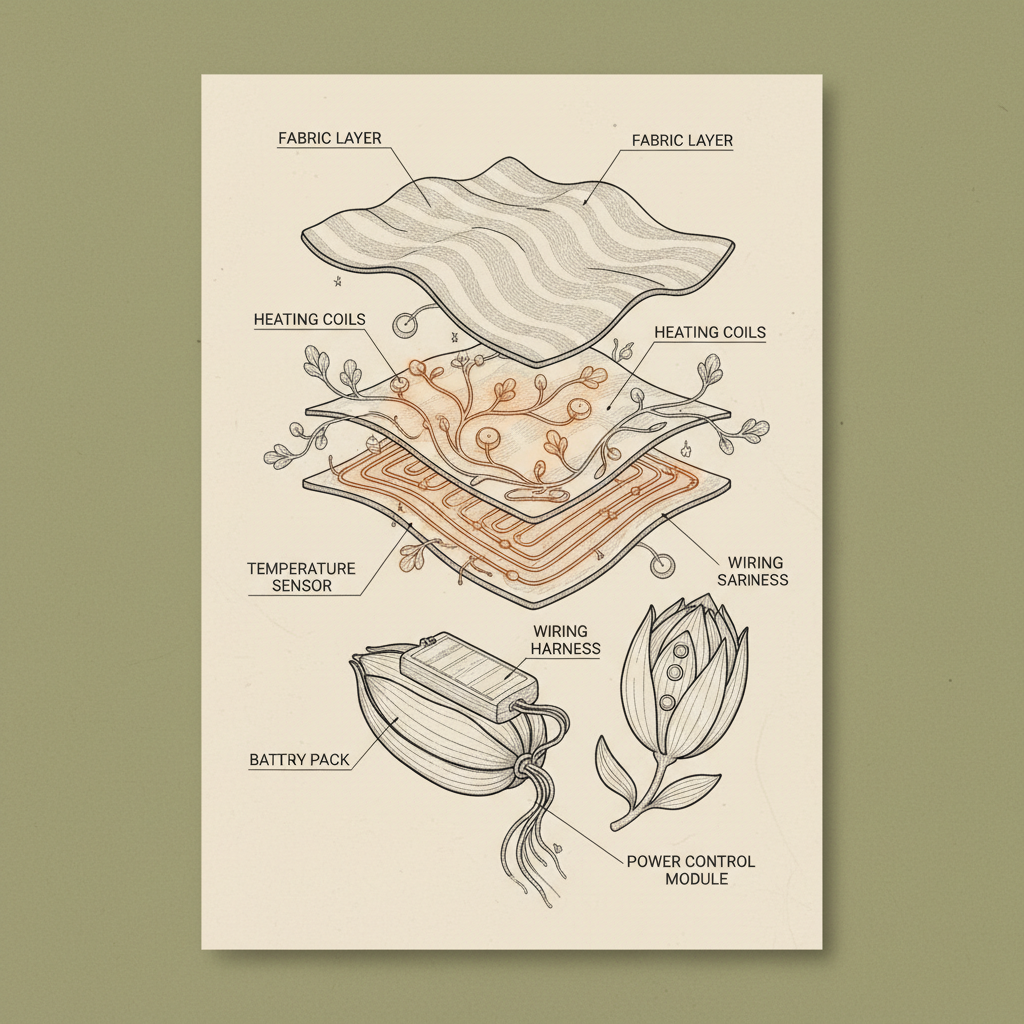
To be honest, everyone’s obsessed with ‘smart’ features now. Bluetooth connectivity, app control… It’s all well and good, but it adds cost and complexity. And most guys on site? They just want something reliable that does its job. A cordless heated blanket shouldn’t need a software update, you know? It needs to heat. Anyway, I think the focus on aesthetics is also a problem. Too many manufacturers are sacrificing functionality for looks.
There’s this constant pressure to miniaturize everything, too. Smaller batteries, thinner heating elements… which inevitably compromises performance. You can’t just ignore the laws of physics. It’s a trade-off, always. And often, the trade-off isn't worth it.
We recommend charging the battery after each use, even if it's not completely depleted. Lithium-ion batteries perform best when they’re kept topped up. Leaving it completely discharged for extended periods can shorten its lifespan. Generally, a full charge takes about 3-4 hours, depending on the charger. Don’t use fast chargers – they can generate too much heat.
It’s water-resistant, not waterproof. It can handle light rain or splashes, but don’t submerge it in water. The battery compartment is sealed, but it's always best to avoid direct exposure to moisture. We've tested it to withstand prolonged use in damp conditions, but complete submersion will likely damage the internal electronics.
Spot clean with a damp cloth and mild detergent. Avoid harsh chemicals or abrasive cleaners. You can gently hand wash it, but do not put it in the washing machine or dryer. Make sure the battery is removed before cleaning. And let it air dry completely before using it again.
The graphene-infused heating element is designed to last for thousands of hours of use. We've conducted extensive testing, and it consistently outperforms traditional heating elements. However, lifespan will vary depending on usage patterns and maintenance. Avoid bending or creasing the heating element excessively, and store the blanket flat when not in use.
Yes, you can use a standard USB power bank to charge it. However, make sure the power bank provides a stable 5V/2A output for optimal charging speed. Some power banks may not provide enough power, resulting in slow or incomplete charging. We recommend using the charger that came with the blanket for best results.
Yes, the battery is designed to be replaceable. We understand that batteries eventually wear out, and we want to make it easy for customers to extend the lifespan of their blanket. You can order a replacement battery directly from our website. The replacement process is straightforward and requires only a Phillips head screwdriver.
Ultimately, a cordless heated blanket isn’t about fancy features or cutting-edge materials. It’s about providing reliable warmth and comfort in challenging conditions. It's about building something that can withstand the rigors of everyday use and make people's lives a little bit easier. It's about the simple things done well.
And to be honest, whether this thing works or not, the worker will know the moment he tightens the screw. That’s the truth. It’s not the specs on the datasheet, it’s not the marketing hype, it's how it performs in the real world. So, if you're looking for a cordless heated blanket, do your research, ask around, and choose a product that's built to last. Check out our website at www.eleblanket.com.