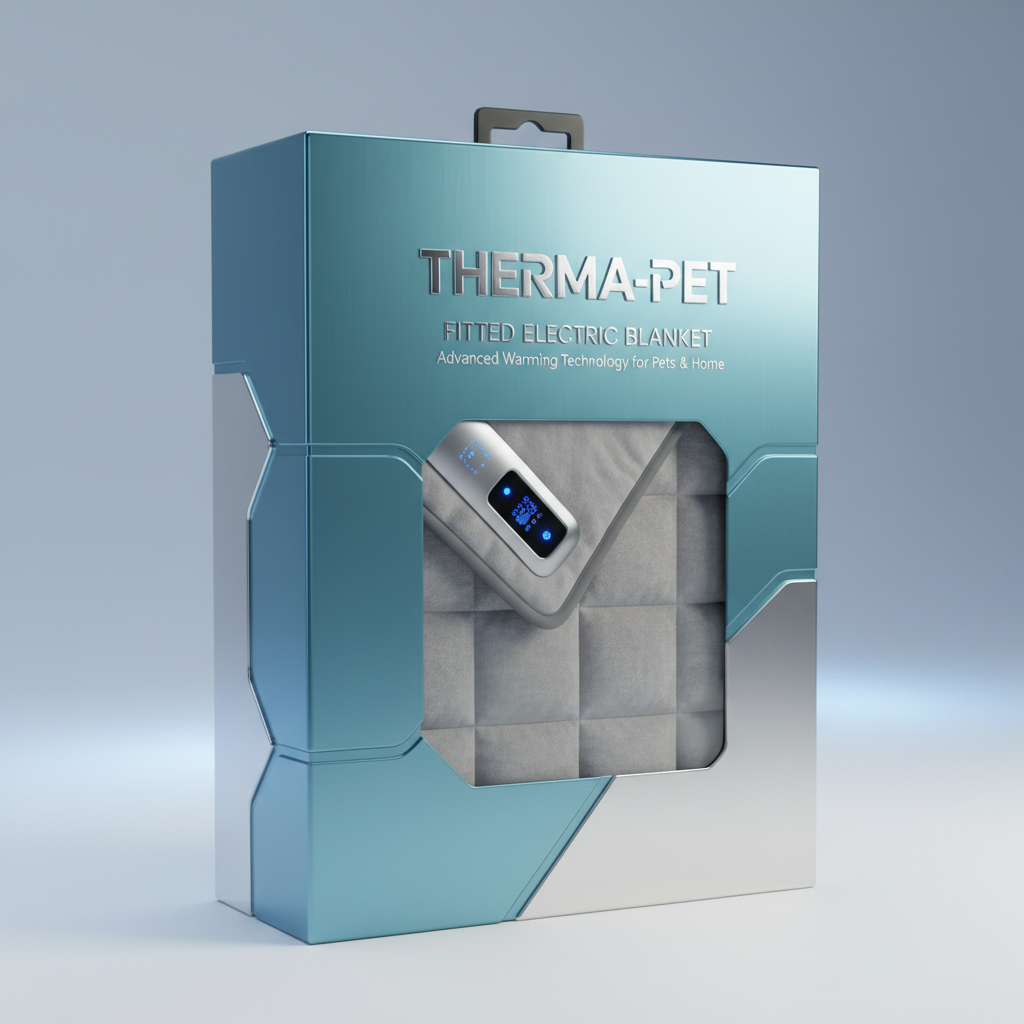
The demand for comfortable and efficient heating solutions is a global concern, impacting everything from personal wellbeing to emergency response. A heated over blanket offers a versatile and readily deployable solution for providing warmth in diverse settings. Its adaptability makes it vital in addressing challenges in various sectors, including disaster relief, healthcare, and even everyday home comfort. Understanding the intricacies of this technology and its applications is becoming increasingly crucial in a world facing evolving climate conditions and growing populations.
The relevance of the heated over blanket extends beyond individual comfort. Globally, millions are affected by cold-related illnesses and lack access to adequate heating, particularly in emergency situations or remote locations. The United Nations High Commissioner for Refugees (UNHCR) estimates that millions require shelter and warmth during displacement crises. This underscores the importance of rapidly deployable and sustainable heating solutions. Moreover, the ISO standards for thermal performance are continually evolving, driving innovation in materials and design to ensure efficiency and safety.
A heated over blanket isn’t just a product; it’s a practical response to fundamental human needs. Its ability to provide warmth quickly and efficiently addresses a critical gap in disaster relief, healthcare settings, and everyday living, offering a tangible improvement in quality of life for a wide range of individuals and communities.
Defining the Heated Over Blanket
A heated over blanket is essentially a textile designed to provide warmth through integrated heating elements. These elements are typically electric, using low-voltage electricity to generate heat distributed across the blanket's surface. It differs from traditional blankets by actively warming the user, rather than simply trapping body heat.
Its connection to modern needs stems from its versatility and ease of use. In today’s fast-paced world, where rapid response is crucial in emergencies and convenience is highly valued in everyday life, the heated over blanket delivers a practical solution for maintaining thermal comfort in a wide variety of situations.
Global Relevance and Applications
The global need for affordable and accessible warmth is substantial. Regions experiencing harsh winters, or those prone to natural disasters, particularly benefit from readily available heating solutions. The heated over blanket plays a key role in emergency preparedness and response, providing immediate warmth to displaced populations.
Consider the application in refugee camps, where maintaining body temperature is critical for vulnerable individuals. Similarly, in disaster relief operations following earthquakes or floods, providing warmth is a priority for preventing hypothermia and related illnesses. The World Health Organization (WHO) emphasizes the importance of thermal regulation in emergency settings, making solutions like these essential components of relief efforts.
Beyond emergency situations, the demand for comfortable and efficient heating extends to healthcare facilities, where patients often require additional warmth, and to households in colder climates seeking to reduce energy costs while maintaining thermal comfort.
Core Components and Functionality
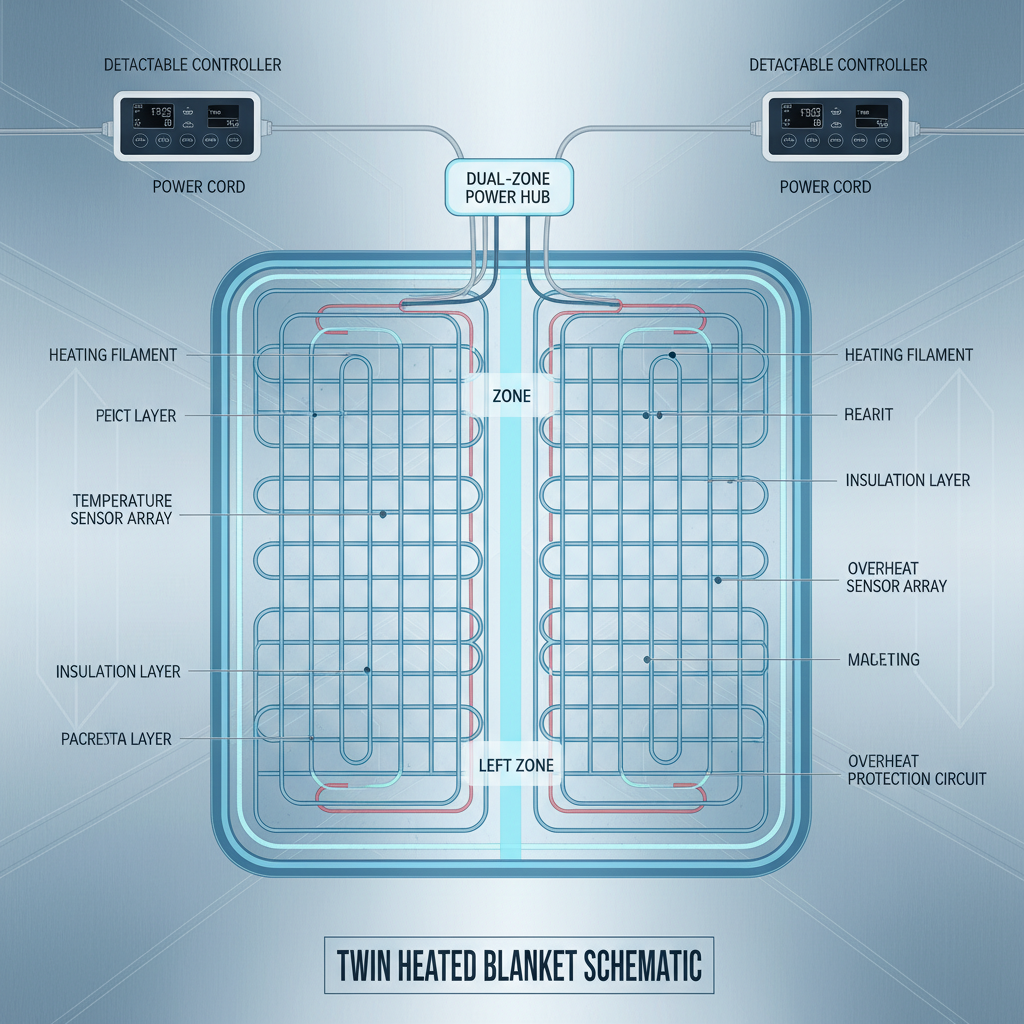
At its core, a heated over blanket consists of several key components: the fabric itself (often polyester or fleece), integrated heating wires (typically made of a resistive material), a control unit to regulate temperature, and a power source (either AC adapter or battery). The safety features, such as overheat protection, are integral to its functionality.
The heating wires are strategically woven into the fabric to ensure even heat distribution. The control unit allows users to adjust the temperature to their desired level, and the overheat protection mechanism automatically shuts off the blanket if it reaches a dangerous temperature, preventing burns or fires. The choice of materials significantly impacts the blanket’s efficiency, durability, and overall performance.
The power source dictates the portability of the blanket. AC adapters are suitable for stationary use, while battery-powered options are ideal for situations where access to electricity is limited, such as camping or emergency shelters. Modern designs are increasingly incorporating smart technology, allowing for remote control and energy monitoring.
Performance Metrics and Standards
Evaluating the performance of a heated over blanket requires considering several key metrics. These include heating speed (how quickly the blanket reaches the desired temperature), temperature uniformity (how consistently heat is distributed across the surface), energy efficiency (how much electricity is consumed), and safety features (overheat protection, low-voltage operation).
Industry standards, such as those set by Underwriters Laboratories (UL) and similar organizations, ensure that blankets meet minimum safety requirements. These standards address electrical safety, fire resistance, and temperature control. Compliance with these standards is crucial for consumer protection and product reliability.
Comparison of Heated Over Blanket Performance
Real-World Use Cases
In post-disaster relief operations, a heated over blanket provides crucial warmth to survivors exposed to the elements. Organizations like the Red Cross and FEMA routinely include these blankets in their emergency preparedness kits. Their lightweight and compact nature make them easy to transport and deploy quickly.
Within healthcare settings, heated blankets are used for post-operative patients, individuals undergoing chemotherapy, and those recovering from surgery. Maintaining a stable body temperature can significantly improve patient comfort and accelerate the healing process. In remote industrial zones, workers exposed to cold temperatures can benefit from the added warmth provided by these blankets, enhancing productivity and reducing the risk of cold-related injuries.
Advantages and Long-Term Value
The benefits of utilizing a heated over blanket are multifaceted. From a cost perspective, they are often more energy-efficient than heating an entire room, particularly for individual use. Their portability and ease of storage add to their practical value.
From a social impact standpoint, providing warmth to vulnerable populations contributes to improved health and well-being. The emotional benefits of feeling safe and comfortable cannot be overstated. Reliability and durability are also key advantages; well-constructed blankets can withstand repeated use and maintain their performance over time.
Finally, the innovation in materials and technology associated with heated blankets, such as the use of sustainable fabrics and energy-efficient heating elements, reflects a commitment to responsible manufacturing and environmental stewardship.
Future Trends and Innovations
The future of heated over blanket technology is poised for exciting advancements. Research is focused on developing more energy-efficient heating elements, utilizing sustainable and biodegradable materials, and integrating smart features such as personalized temperature control and remote monitoring via smartphone apps.
The integration of renewable energy sources, such as solar power, to power heated blankets is also a promising trend, reducing reliance on traditional electricity grids. Furthermore, advancements in textile technology are leading to the creation of lighter, more comfortable, and more durable fabrics.
Digital transformation and automation in manufacturing processes are enabling the production of high-quality heated blankets at lower costs, making them more accessible to a wider range of consumers and organizations. Sustainability remains a core focus, driving innovation in eco-friendly materials and manufacturing practices.
FAQS
A heated over blanket is designed to be a larger, more versatile warming solution often used in emergency situations or for full-body coverage, whereas traditional electric blankets are typically smaller and intended for use in a bed. Heated over blankets frequently boast faster heating times and more robust safety features, making them ideal for rapid deployment and providing warmth to multiple individuals.
Essential safety features include automatic overheat protection, which shuts off the blanket if it gets too hot; low-voltage operation to minimize the risk of electric shock; and a durable construction to prevent damage to the heating elements. Look for certifications from recognized safety standards organizations like UL.
Heated over blankets can be quite energy efficient, especially when compared to heating an entire room. They deliver warmth directly to the user, minimizing energy waste. The energy consumption varies depending on the blanket’s wattage and the temperature setting.
Individuals with certain medical conditions, such as diabetes or circulatory problems, should consult with their doctor before using a heated over blanket. It’s crucial to avoid using a heated blanket on areas with reduced sensation or open wounds.
Most heated over blankets are machine washable, but it’s essential to unplug the blanket and follow the manufacturer’s instructions carefully. Avoid using harsh detergents or bleach, and ensure the blanket is completely dry before plugging it back in.
With proper care and maintenance, a quality heated over blanket can last for several years. The lifespan depends on factors such as the frequency of use, the quality of materials, and adherence to safety guidelines. Regular inspection for any signs of wear and tear is recommended.
Conclusion
In summary, the heated over blanket represents a versatile and impactful solution to a fundamental human need – warmth. From providing comfort and convenience in everyday life to offering critical support in emergency situations, its benefits are far-reaching and address a wide spectrum of challenges. Its ongoing evolution is driven by the demand for safety, efficiency, and sustainability, making it a continually relevant and innovative technology.
Looking ahead, the integration of smart technology, renewable energy sources, and sustainable materials will further enhance the value and accessibility of heated over blankets. Continued research and development, coupled with a commitment to responsible manufacturing, will ensure that this technology remains a vital component of preparedness, relief efforts, and overall wellbeing for communities worldwide. Visit our website at www.eleblanket.com to learn more.