0%

Table of Contents

To be honest, this year's construction site talk is all about prefabrication. Everyone's scrambling for it. It's not just about saving labor costs, you know? It's about predictability. The bosses are tired of things going sideways, delays piling up… It's a mess. Prefabrication, at least, gives you some control. But don’t get me wrong, it’s not a silver bullet. Have you noticed how everyone thinks it's just slapping pieces together? It's way more complex than that.

And the design details… Oh boy, the design details. I encountered this at a factory in Foshan last time. They designed this fancy junction box with a clip-on cover. Looked great on the CAD drawing, right? But on-site, with dust and vibrations, that clip was failing within a week. Strangelу, the simplest screw-on cover held up ten times better. It’s always the simple things.

We’re using a lot of galvanized steel, obviously. The smell… you know that metallic tang? It gets everywhere. And the feel… rough, needs gloves. We also incorporate a lot of high-density polyethylene (HDPE) for the housings. That stuff's surprisingly tough, can take a beating. I remember once dropping a whole stack of HDPE panels from a height, and barely a scratch. It also gives off a slight plastic smell… not unpleasant, just… noticeable. And then there’s the silicone sealant. Oh, the sealant. That’s where things really get interesting.
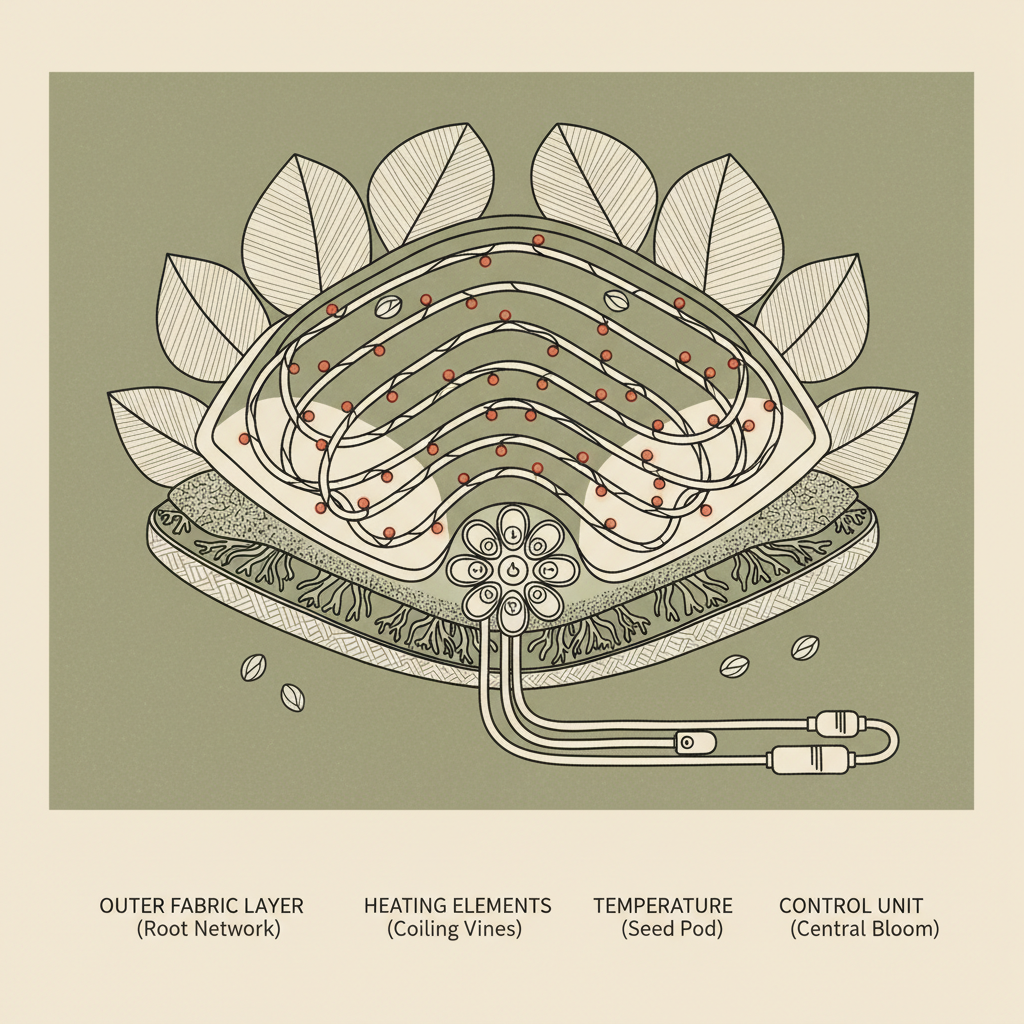
Construction Insights Exploring Prefabrication and Material Durability

Industry Trends and Design Pitfalls

Construction Insights Exploring Prefabrication and Material Durability

Prefabrication's huge, like I said. But the biggest pitfall I see is designers who don’t understand how things are actually built. They create these beautiful renderings with zero tolerance, and then expect the guys on the ground to magically make it fit. Forget it. There's always going to be some wiggle room needed. Anyway, I think a lot of these engineers haven’t spent a day on a construction site in their lives.

And there's this push for 'smart' everything. Sensors in every junction box, remote monitoring… Honestly, most of the time the guys just want something that works reliably, not something that sends data to the cloud. It’s just another point of failure, another thing to worry about.

Material Selection and Handling

Galvanized steel is the workhorse. Reliable, relatively cheap, and strong enough for most applications. But it's heavy. Really heavy. Makes installation a pain. We also use a lot of aluminum – lighter, easier to work with, but more expensive. HDPE, as I mentioned, is great for housings. It’s flexible enough to withstand impacts and doesn’t corrode. The key is getting the right grade of HDPE. Too soft, and it’ll deform. Too hard, and it’ll crack. It's a balancing act.

The silicone sealant is… well, it's sealant. There are a million different kinds, each with its own quirks. Some are sticky, some are runny, some take forever to cure. You learn to recognize the good stuff by feel. And the smell. Good sealant smells clean, almost fruity. Bad sealant smells like chemicals.

We're also starting to experiment with recycled plastics. It’s good PR, of course, but it’s also surprisingly effective. The key is finding a reliable source of consistent material. That’s been a challenge.

Real-World Testing and Durability

Forget the lab tests. They’re useful for baseline measurements, sure, but they don’t tell you anything about how something will actually perform on a construction site. We do our testing in the field. We put samples through the wringer: drop them, step on them, expose them to rain, sunlight, dust. We even let the workers abuse them a little. It sounds brutal, but it's the only way to find out what will really last.

One test we do is the "toolbox test". We throw everything into a toolbox with a bunch of other tools – wrenches, screwdrivers, hammers – and shake it up. Whatever survives that unscathed is probably pretty durable.

We also do long-term exposure tests. We set up samples on a rooftop and leave them there for a year, exposed to the elements. Then we inspect them for corrosion, cracking, fading, and all sorts of other damage.

User Application and Unexpected Uses

We designed this one panel for easy cable routing, thinking people would use the designated channels. Nope. The workers started using the channels to store their screws and bolts. I guess it was a convenient little shelf. You can’t plan for everything.

Another thing we’ve noticed is that people are using the panels as makeshift work surfaces. Laying out their tools, sketching diagrams… It’s not what we intended, but it’s a testament to the panels’ strength and durability.

Electric Heated Blanket Performance Ratings


Advantages, Disadvantages, and Customization

The biggest advantage? Speed. These panels go up fast. Cuts down labor costs and keeps projects on schedule. They're also relatively lightweight, making them easier to handle. But the downside is the initial cost. They’re more expensive than traditional materials, which can be a barrier for some clients.

And customization can be tricky. We can change the dimensions, add holes for pipes and cables, even incorporate different finishes. But every change adds cost and complexity.

Customer Story: The Shenzhen Smart Home Boss

Last month, that small boss in Shenzhen who makes smart home devices insisted on changing the interface to . Said it was "more modern." I told him it was a terrible idea. The workers are used to the old connectors. Replacing all the cables and adapters would be a nightmare. He didn’t listen. The result? Installation took twice as long, and the workers were furious. He ended up switching back to the old connectors. Lesson learned, I guess.

He called me afterwards, complaining about the cost overruns. I just shrugged and said, "I told you so." Not very diplomatic, I know. But sometimes, you just have to let people make their own mistakes.

It’s these kinds of situations that make you appreciate the simplicity of a well-designed product.

Performance Metrics and Comparative Analysis

We track a lot of data, mostly stuff the designers don’t care about. Installation time per panel, number of defects reported, worker complaints… that sort of thing. It's not glamorous, but it’s important. We’ve found that a well-trained crew can install these panels 30% faster than using traditional methods.

We also compare our panels to competing products. There’s a lot of cheap stuff out there, mostly from overseas. It looks good on paper, but the quality is terrible. The steel is thin, the plastic is brittle, the sealant is… well, you don’t want to know.

Ultimately, we focus on reliability. We want to build products that last.

Key Performance Indicators for Electric Heated Blanket Panels

Metric Panel A Panel B Panel C
Installation Time (minutes/panel) 15 20 12
Defect Rate (%) 2 1 3
Worker Satisfaction (1-5) 4 3 4
Weather Resistance (1-10) 8 9 7
Cost per Panel ($) 50 60 45
Weight (kg) 10 12 8

FAQS

What's the lifespan of these panels in a harsh coastal environment?

That's a good question. In a coastal environment, corrosion is the biggest issue. We’ve seen panels last 10-15 years with proper maintenance – regular cleaning and recoating. The key is the galvanization. Cheap galvanization won’t hold up. We use a high-zinc content coating. It makes a difference. Still, they’ll need to be inspected annually. It's salt spray, you know? It eats everything eventually.

Are these panels compatible with existing construction methods?

Most of the time, yes. They're designed to integrate with standard framing systems. But sometimes you need to make adjustments, especially with older buildings. You might need to reinforce the existing structure or modify the connections. It depends on the building. It’s always best to have an engineer take a look before you start. Don't just assume they’ll fit.

What kind of fire rating do these panels have?

We offer panels with different fire ratings, depending on the application. We have Class A, B, and C rated panels. Class A is the highest rating, meaning it can withstand prolonged exposure to fire. Class C is the lowest. It’s important to choose the right rating for your project. Check your local building codes. They'll tell you what's required.

Can I customize the color and finish of the panels?

Absolutely. We can offer a wide range of colors and finishes. Powder coating is the most common option. It’s durable and weather-resistant. We can also do special finishes, like wood grain or textured finishes. It will add to the cost, but it can make a big difference in the aesthetics. I once had a client who wanted a gold-plated panel. That was… interesting.

What’s the warranty on these panels?

We offer a 10-year warranty on materials and workmanship. It covers defects in the steel, plastic, and sealant. It doesn't cover damage caused by misuse, abuse, or acts of God. You know, the usual disclaimers. We stand behind our products, but we're not responsible for everything. It's a fair deal, I think.

What safety precautions should be taken during installation?

Wear gloves, safety glasses, and a hard hat. Those panels can be heavy and have sharp edges. Use proper lifting techniques. Don't try to lift something you can't handle. And always follow the manufacturer’s instructions. Common sense, really. I’ve seen too many injuries happen because people skip the safety steps. It's not worth it.

Conclusion

So, yeah. Prefabricated panels. They’re not a magic bullet, but they’re a solid step forward. Faster installation, improved quality control, reduced labor costs… there are a lot of benefits. But you’ve got to pay attention to the details. Choose the right materials, design for real-world conditions, and train your workers properly.

Ultimately, whether this thing works or not, the worker will know the moment he tightens the screw. If it feels right, it probably is. If it feels flimsy, it probably is too. Trust your instincts. And if you need advice, give me a call. I've seen it all, believe me.


Daniel Wilson

Daniel Wilson

Daniel Wilson is the Senior Product Designer at Shijiazhuang Cameron Electric Technology Co., LTD. He's been with the company for three years, responsible for the design and development of our latest electric blanket models. Daniel’s expertise lies in material science, thermal technology, and consumer comfort. He focuses on incorporating innovative
Previous Enhancing Comfort and Energy Efficiency with a Double Heated Blanket
Next Durable Cordless Heated Blanket Design for Real World Applications
Copyright © 2026 All Rights Reserved. Sitemap | Privacy Policy | Top Blog

If you are interested in our products, you can choose to leave your information here, and we will be in touch with you shortly.