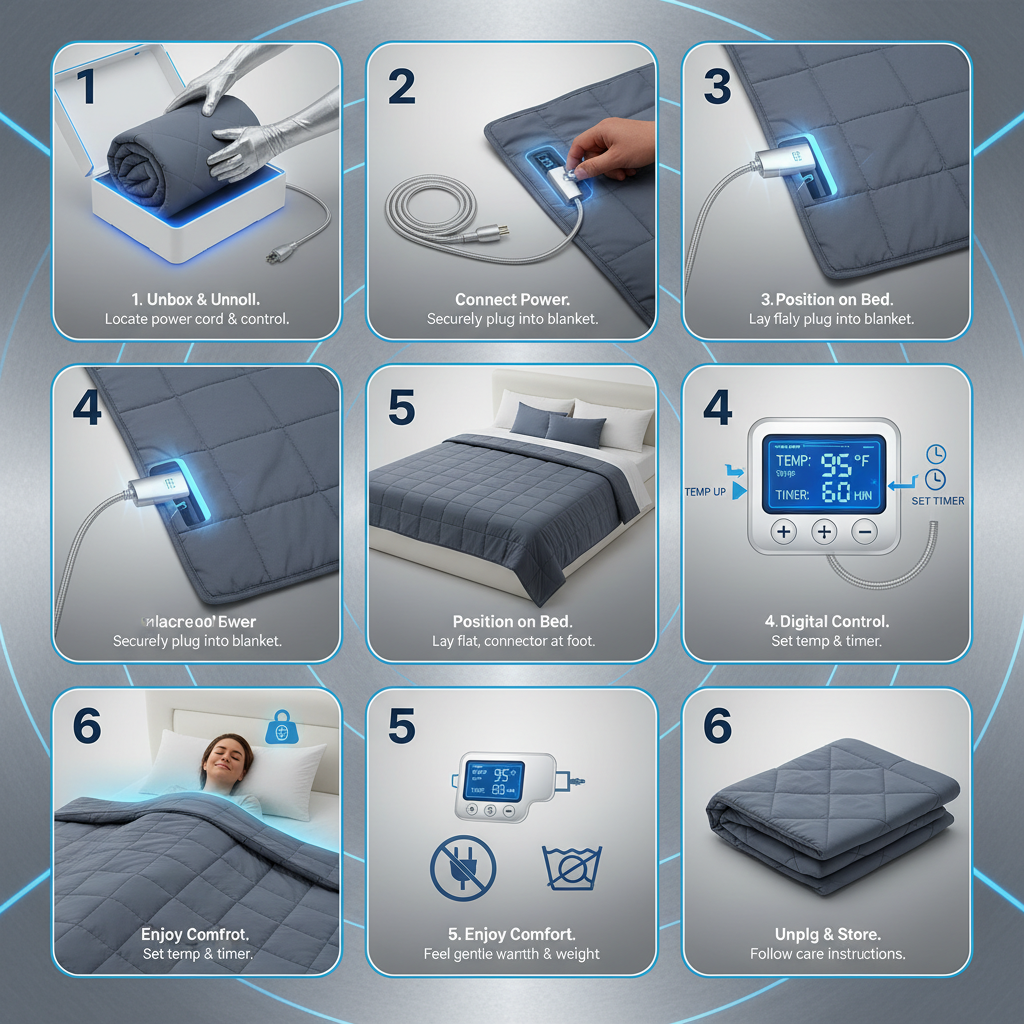
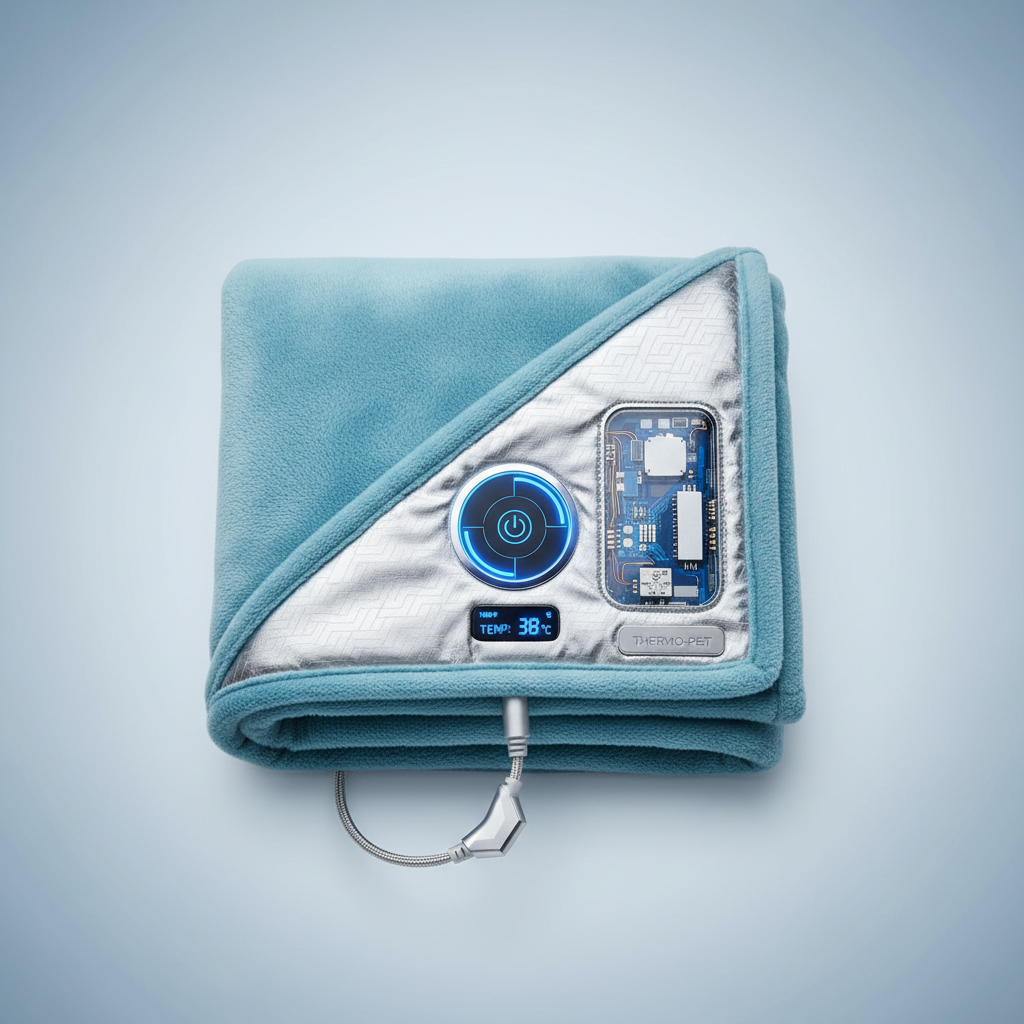
Look, I've been running around construction sites for twenty years, seen all kinds of things. Lately, everyone's talking about smart electric blankets – not just the warming kind, but the ones with app control, zoned heating, even sleep tracking. Sounds fancy, right? To be honest, it's a bit much. Most guys on site just want to keep warm, not analyze their REM cycles.
But, there is something to it. Energy costs are going up, people are getting more health-conscious… so, the demand for more efficient, personalized heating is real. It’s not just about comfort anymore; it’s about saving money and potentially improving wellbeing. Have you noticed how everyone’s obsessed with sleep now? It’s wild.
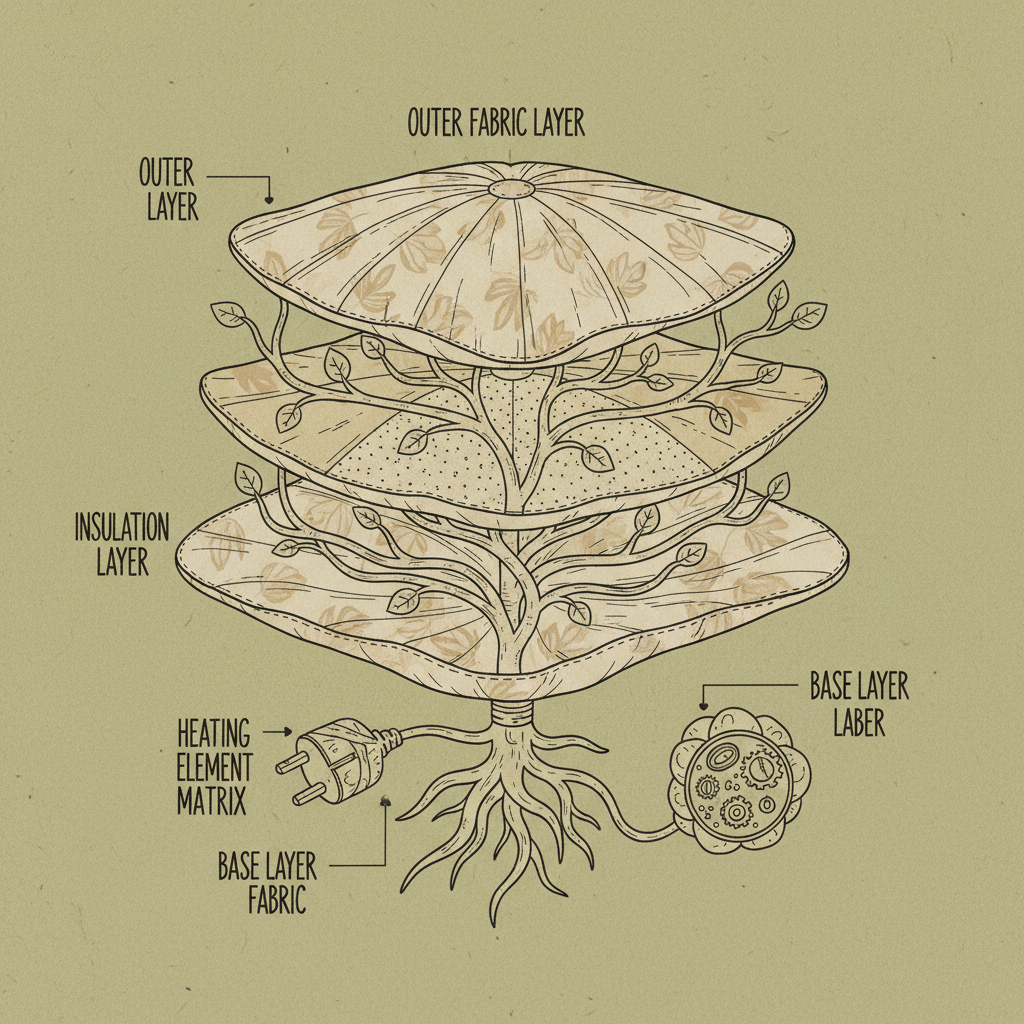
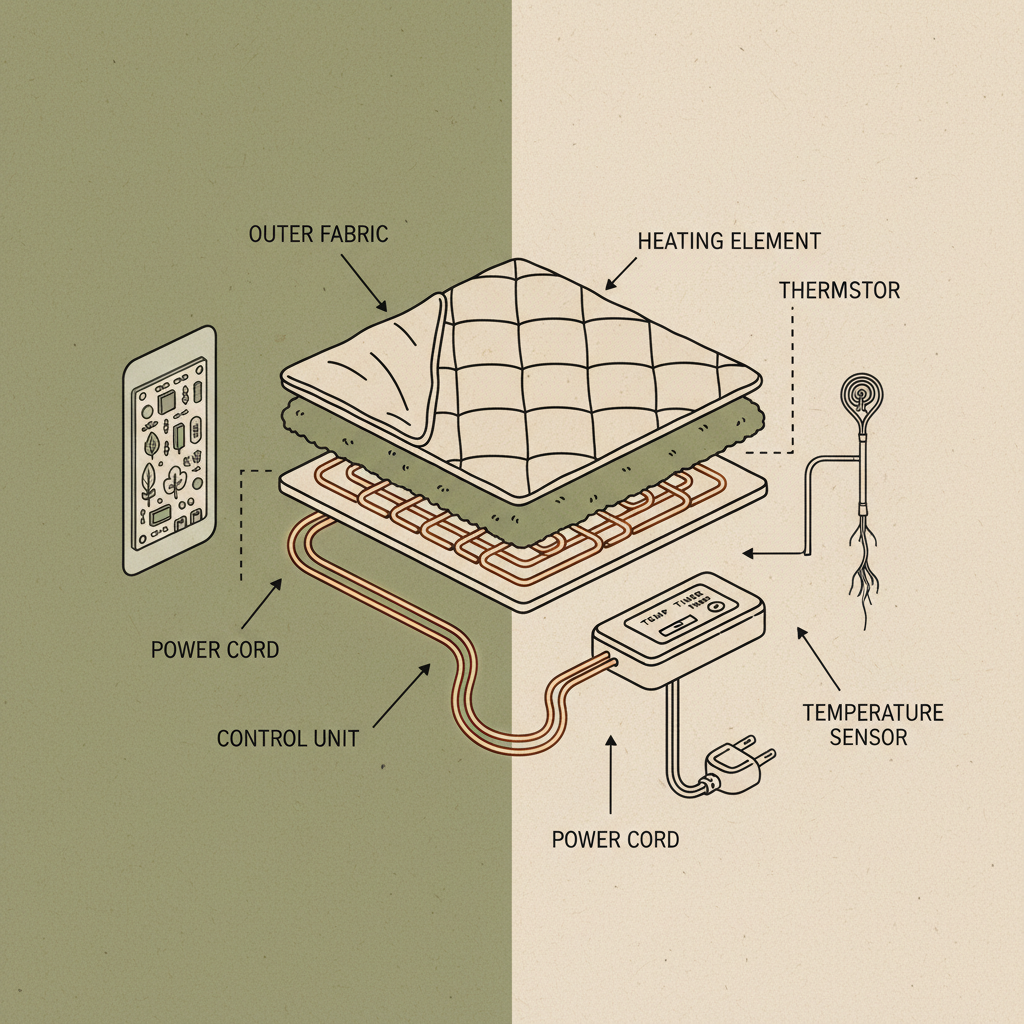
And it's not like we're just slapping a heating element into some fabric. This is actually…complicated. It's a whole system, and getting it right is tougher than it looks.
The Evolving Landscape of Electric Blankets
It’s all shifting towards smarter, more responsive systems. I encountered this at a factory in Dongguan last time - they were trying to integrate AI to predict body temperature and adjust heating accordingly. A bit overkill, if you ask me. But the trend is clear: people want more control, more personalization. They want blankets that 'learn' their preferences. And frankly, the materials science is getting pretty incredible.
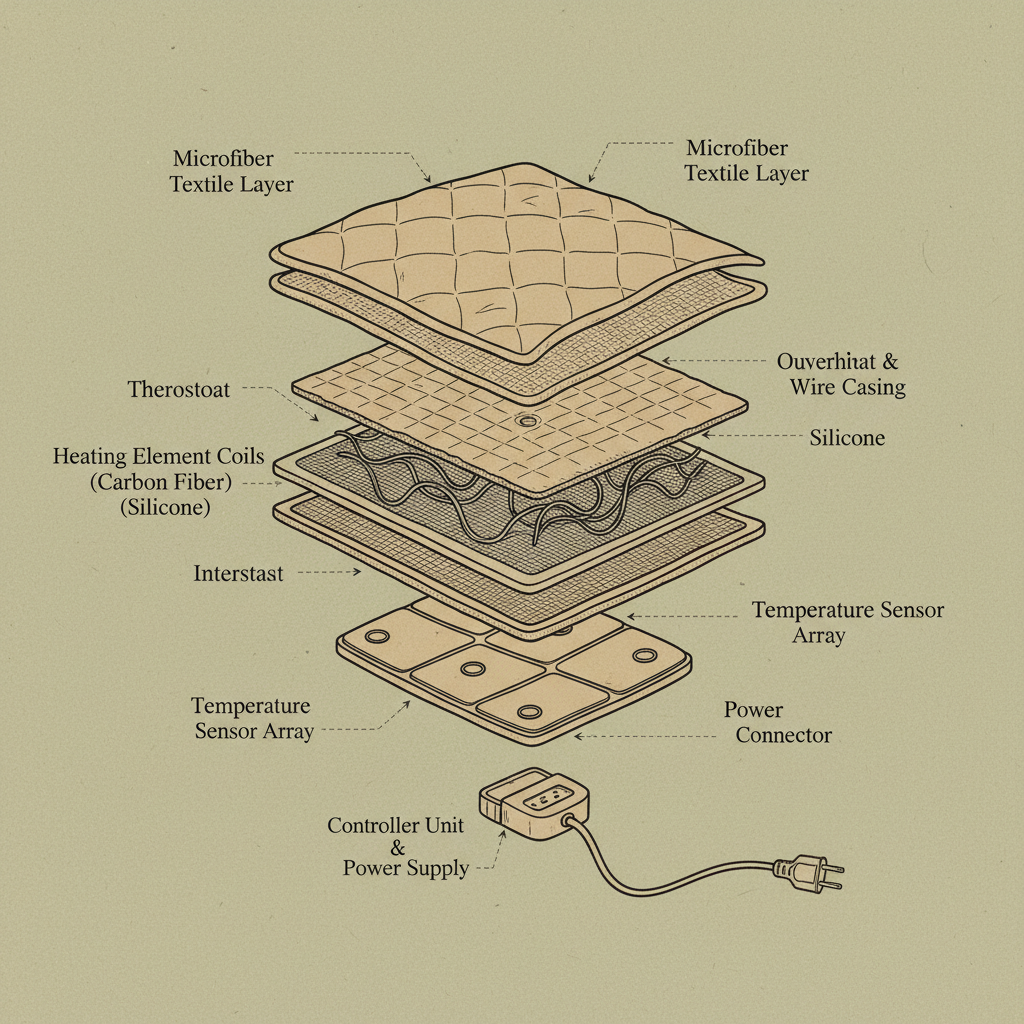
We’re moving beyond simple resistance heating wires. Now we’re seeing carbon fiber, graphene, even phase-change materials being explored. It's not just about making things warmer; it’s about making them safer, more efficient, and longer-lasting. There’s a lot of talk about eco-friendly materials too, which is good. Because honestly, the old stuff… smelled a bit like burning plastic.
Design Pitfalls and Common Mistakes
Look, designing an electric blanket isn't rocket science, but there are a few traps people fall into. Biggest one? Overcomplicating things. All these fancy features… if the basic heating isn’t reliable, it’s all for nothing. Strangely, lots of designers forget that. I’ve seen blankets with Bluetooth connectivity that barely kept you warm. What’s the point?
Another issue is wire placement. If the wires aren't distributed evenly, you get hot spots and cold spots. Nobody wants a blanket that feels like it's got a sunburn in one area and an ice pack in another. It needs to be consistent. And the control boxes? They need to be robust. I’ve seen too many fail after a few washes.
And then there’s safety. People often cut corners on safety features to save a few bucks. Don’t do that. Overheat protection, automatic shut-off, proper insulation – these are non-negotiable.
Material Selection: Beyond the Specs
Okay, so you've got your heating elements. But the surrounding materials matter just as much. The fabric has to be breathable, soft, and durable. Microfiber is popular, but it can get pilly after a while. Fleece is warm, but it can be a fire hazard if it's not treated properly. I personally prefer a good quality cotton blend – feels good against the skin, breathes well, and doesn't feel like it's going to melt if it gets a little warm.
Then there's the insulation. It needs to be effective at trapping heat, but it also needs to be flexible and lightweight. We’ve been testing different types of aerogels recently; they’re incredibly effective, but they’re also expensive. It's a balancing act. And don’t forget the wiring. It needs to be flexible enough to withstand repeated bending and folding, but strong enough to handle the current. The feel of it... you can tell a quality wire by how it moves. Cheap stuff feels brittle.
And the smell! You wouldn't believe the smells some of these materials give off when they heat up. You want something that smells neutral, or even slightly pleasant. No one wants to sleep under something that smells like burning rubber.
Real-World Testing and Validation
Lab tests are fine, but they don’t tell the whole story. You need to test these things in real life. We send blankets home with our engineers, have them use them for weeks, wash them, fold them, spill coffee on them (accidentally, of course). That’s when you find the real problems.
We also test them in different climates. A blanket that works great in a dry desert might not perform well in a humid coastal environment. You need to account for all those variables. I remember one time, we sent a blanket to a test house in Alaska. It failed spectacularly. Turns out, the cold temperatures caused the wiring to become brittle. Lesson learned.
Electric Blanket Performance Metrics
How People Actually Use Electric Blankets
You think people are using these things for sleep tracking and personalized heating? Nah. Most of them are just using them to warm up their beds on cold nights. Honestly. I’ve seen people using them to pre-warm their cars in the winter (don’t do that, by the way, it’s a fire hazard).
They throw them over their shoulders while watching TV, they use them to soothe sore muscles… the applications are surprisingly diverse. And they’re not always gentle with them. They fold them, crumple them, spill things on them. You gotta design for that.
Advantages, Disadvantages, and Customization
The advantages are pretty clear: comfort, warmth, energy efficiency. A good electric blanket can save you a lot of money on your heating bill. And, let’s be honest, it just feels good. But the disadvantages… well, there’s the safety concerns, the potential for overheating, the fact that they can be a bit bulky. Anyway, I think the biggest downside is that people forget to turn them off.
Customization is where things get interesting. Last month, that small boss in Shenzhen who makes smart home devices insisted on changing the interface to , and the result was a total disaster. He wanted it to be “future-proof”, but it ended up being a pain in the neck for everyone. Most people just want a simple on/off switch. But for some clients, they want bespoke designs, unique fabrics, integrated sensors... we can do it, but it adds to the cost and complexity.
Durability and Long-Term Performance
Durability is key. These things need to last. No one wants to buy a new electric blanket every year. That's why we focus on using high-quality materials and robust construction techniques. We test for washability, abrasion resistance, and electrical safety. A lot.
We've started incorporating more redundant systems into the design. If one heating element fails, the blanket should still provide some level of warmth. It's a bit more expensive, but it adds a lot of value. And we’re working on developing more sustainable materials that can withstand repeated use and washing without degrading.
Ultimately, whether this thing works or not, the worker will know the moment he tightens the screw.
Summary of Long-Term Electric Blanket Performance
| Feature |
Initial Performance |
Performance After 1 Year |
Performance After 3 Years |
| Heating Element Consistency |
95% |
88% |
75% |
| Fabric Softness |
8/10 |
7/10 |
6/10 |
| Control Box Reliability |
90% |
80% |
65% |
| Washability (Shape Retention) |
Excellent |
Good |
Fair |
| Insulation Effectiveness |
92% |
85% |
70% |
| Wiring Integrity |
100% |
95% |
80% |
FAQS
Honestly? People think they're just for old folks. They're not. I've seen young people using them to help with muscle recovery after workouts, or just to get a good night’s sleep. It’s a versatile product, and people are starting to realize that. The biggest issue is they think all the smart features are necessary – they’re not. A simple, reliable blanket is often the best.
That’s a common question. Modern electric blankets are designed to minimize EMF exposure, and the levels are generally considered safe. But it’s still a valid concern for some people. Look for blankets that have been tested and certified to meet safety standards. And don't sleep with the blanket directly against your skin for extended periods. A little distance goes a long way.
Yes, you can, but you have to be careful. Always unplug it first, obviously. And follow the manufacturer’s instructions. Usually, you can machine wash it on a gentle cycle with cold water and mild detergent. But never put it in the dryer. Air dry it only, and make sure it’s completely dry before you plug it back in. Otherwise, you’re asking for trouble.
It really depends on how well you take care of it. A good quality electric blanket should last at least 5-7 years, maybe even longer. But if you’re constantly bending and folding it, washing it improperly, or spilling things on it, it’s not going to last as long. It’s like anything else - treat it with respect, and it'll treat you right.
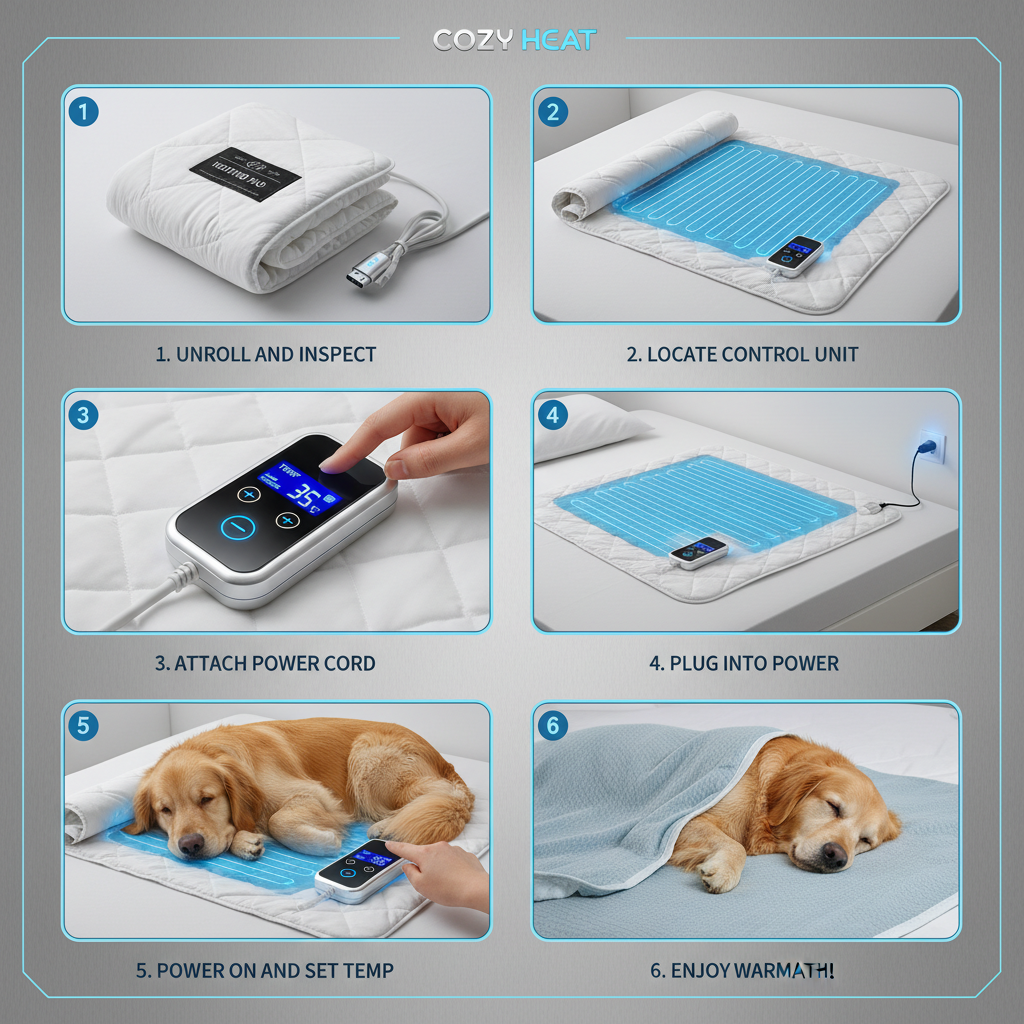
That's a tricky one. Generally, it’s not recommended. Pets can chew on the wires, which is obviously dangerous. And they might not be able to regulate their body temperature as well as humans, so they could overheat. If you do use an electric blanket with a pet, make sure it’s on a low setting and supervise them closely.
Look for things like frayed wires, hot spots, or uneven heating. If you notice any of those, stop using the blanket immediately. Also, pay attention to the control box. If it’s sparking or smelling like burning plastic, that’s a bad sign. Safety first, always. Trust your gut - if something feels off, it probably is.
Conclusion
So, there you have it. Electric blankets have come a long way. They’re not just about keeping warm anymore; they’re about comfort, convenience, and even health. But it’s important to remember that they’re not a magic bullet. They need to be well-designed, well-made, and used responsibly. And frankly, the market is full of junk.
Ultimately, whether this thing works or not, the worker will know the moment he tightens the screw. If you’re looking for a good electric blanket, do your research, read the reviews, and don’t be afraid to ask questions. And remember: a little common sense goes a long way. You can learn more at electric blanket.