The gentle warmth of an electric throw offers more than just physical comfort; it represents a modern solution to age-old needs for warmth, security, and wellbeing. From providing localized heat during energy crises to offering a sense of calm during stressful times, the versatility of the electric throw is rapidly expanding its relevance globally. Understanding the nuances of electric throws – their technology, safety features, and varying applications – is becoming increasingly important for consumers, emergency responders, and industries alike.
The global market for electric throws is experiencing steady growth, driven by increasing awareness of energy-efficient heating solutions and a growing elderly population seeking accessible comfort. According to recent industry reports, the demand for personal heating devices, including electric throws, has risen by approximately 7% annually over the last five years. This trend is particularly noticeable in colder climates and regions with unstable energy grids. Furthermore, the increasing focus on sustainable living is prompting consumers to explore alternatives to traditional, less efficient heating systems, making electric throws a compelling option.
Beyond personal use, electric throws are becoming critical components in disaster relief efforts and specialized healthcare settings. Their portability, ease of use, and low energy consumption make them ideal for providing immediate warmth to those affected by natural disasters or individuals requiring targeted thermal therapy. As global challenges related to climate change and access to essential resources continue to evolve, the role of the electric throw in providing comfort and support will only become more significant.
Defining the Electric Throw
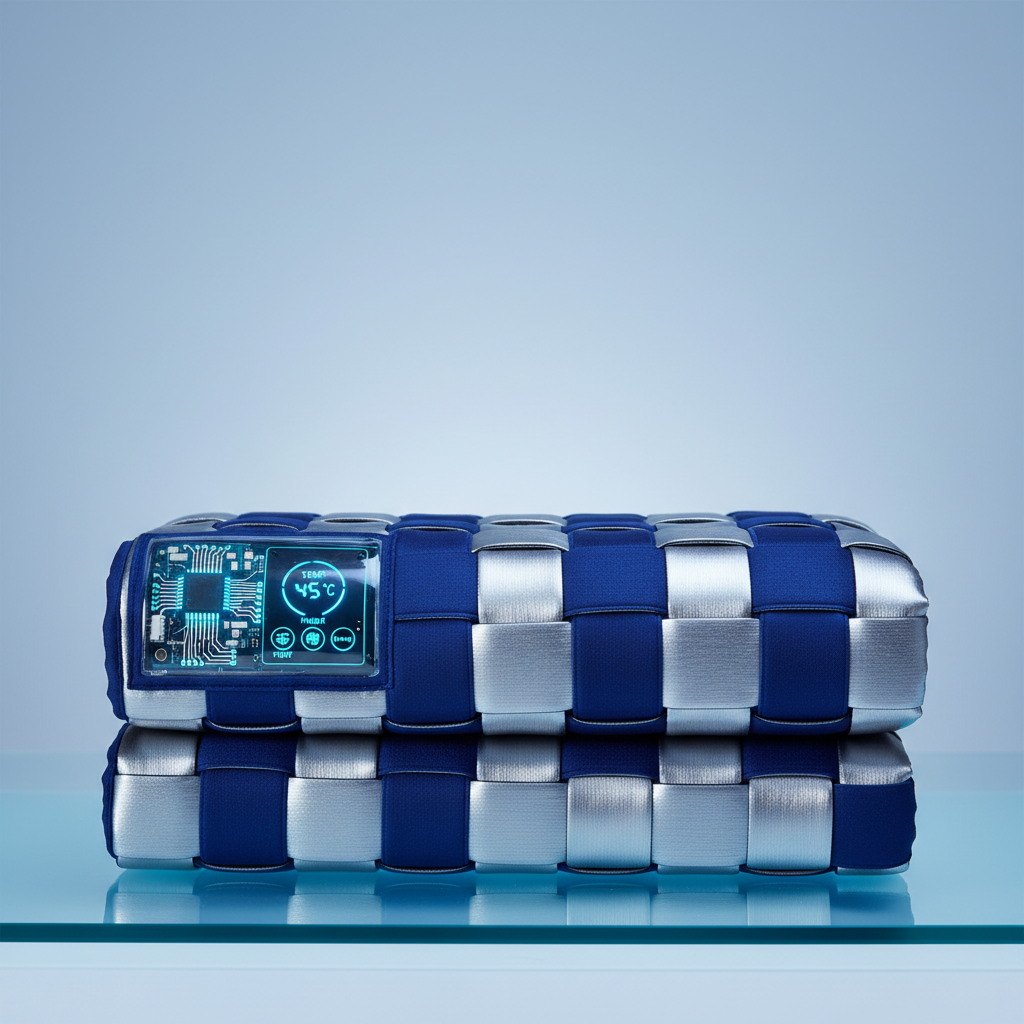
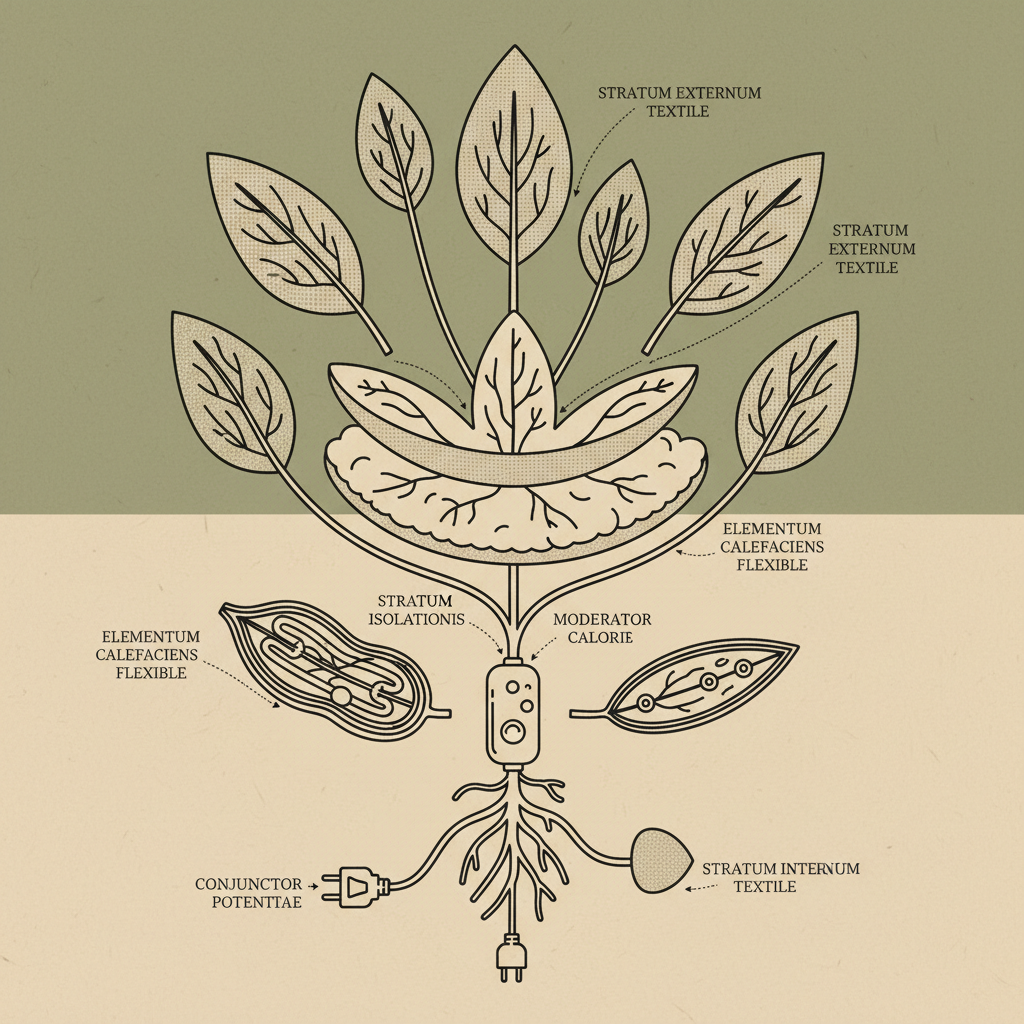
An electric throw is essentially a blanket containing integrated heating elements, typically thin, insulated wires, that provide warmth when connected to an electrical power source. These blankets are designed for personal comfort, offering a localized heating solution that’s more energy-efficient than heating an entire room. The core function is to provide portable, adjustable warmth, catering to a wide range of needs and preferences.
The connection to modern needs extends beyond simple comfort. In a world increasingly concerned with energy conservation and personalized wellbeing, the electric throw represents a practical and accessible solution. From assisting individuals with medical conditions to providing a comforting presence in emergency situations, its applications are diverse and constantly expanding, aligning with a growing focus on preventative healthcare and self-care.
The Global Relevance of Electric Throws
The demand for efficient and accessible heating solutions is a global concern, particularly in regions with harsh winters or unreliable energy infrastructure. Electric throws address this need by offering a cost-effective and portable alternative to traditional heating methods. The United Nations estimates that over 1.6 billion people worldwide lack access to reliable electricity, making localized heating options like electric throws critically important for maintaining basic comfort and safety, especially during cold weather events.
Furthermore, the World Health Organization (WHO) highlights the increased vulnerability of elderly populations to cold-related illnesses. Electric throws offer a safe and convenient way for seniors to stay warm, reducing the risk of hypothermia and related health complications. This is particularly relevant in countries with aging demographics and limited healthcare resources. The widespread adoption of electric throws contributes to improved public health outcomes and a higher quality of life for vulnerable individuals.
The challenge of energy poverty and the need for sustainable heating solutions are driving innovation in the electric throw market. Manufacturers are focusing on developing energy-efficient models with advanced safety features, catering to the growing demand for environmentally friendly and reliable heating options. This increased relevance underscores the importance of understanding and promoting responsible usage and access to electric throws worldwide.
Core Components of Electric Throws
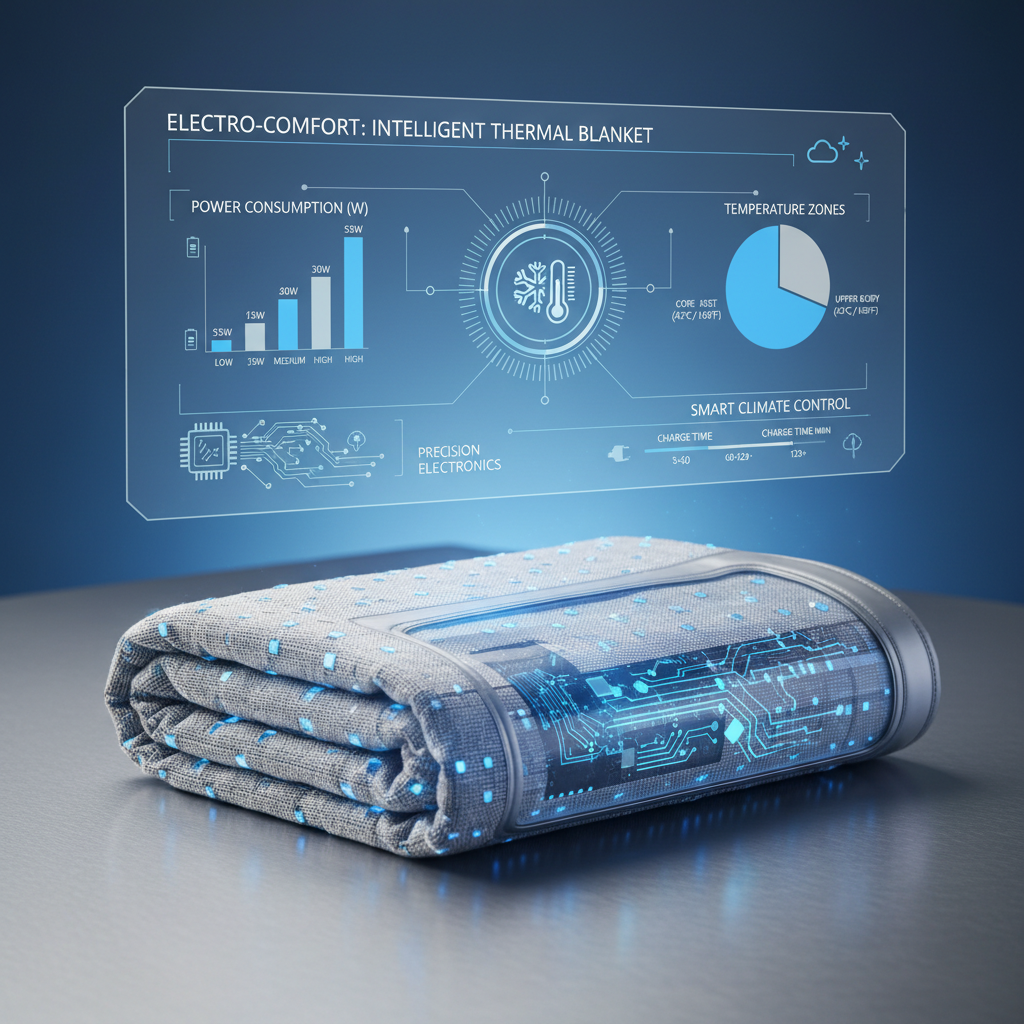
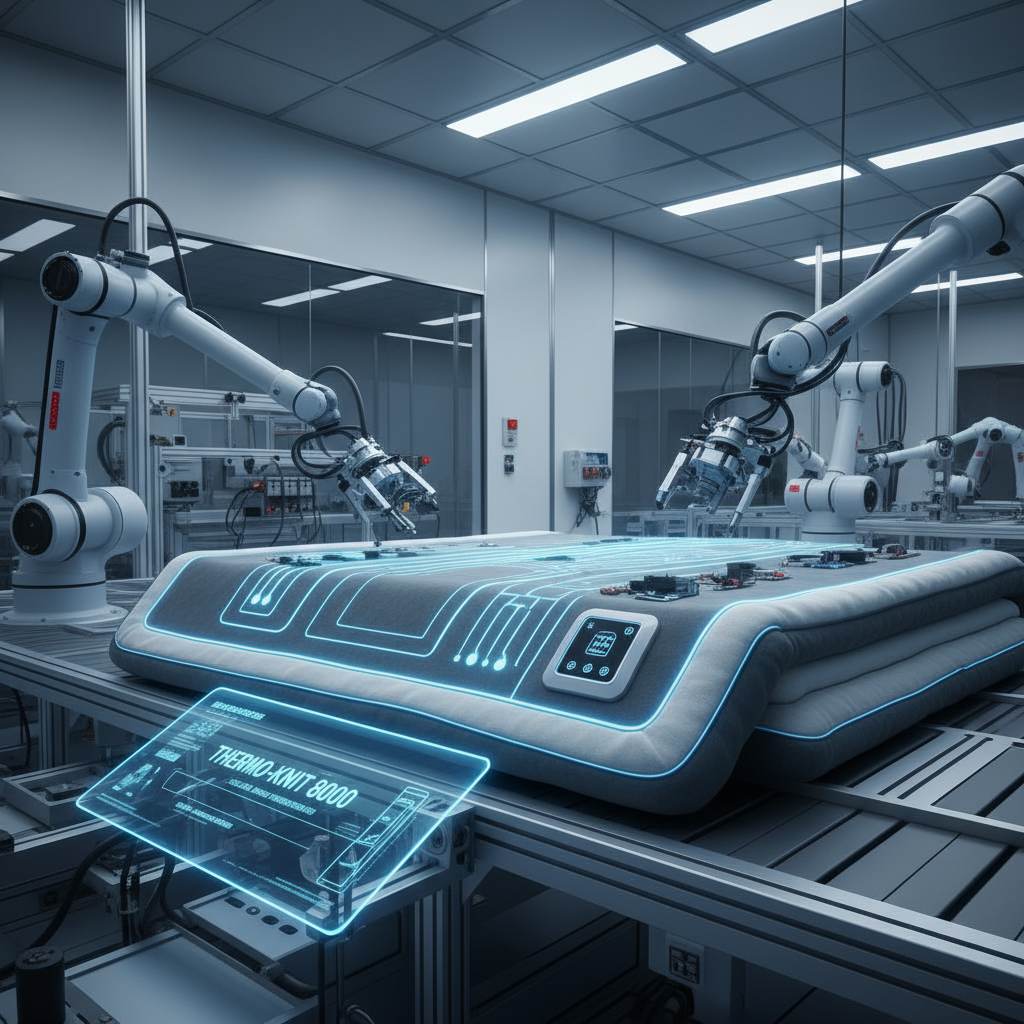
At the heart of every electric throw lies a network of heating wires, usually made of materials like nickel-chromium alloy, carefully woven into the fabric. These wires generate heat when electricity passes through them. The quality and arrangement of these wires are crucial for ensuring even heat distribution and long-term durability. Safety mechanisms, such as overheat protection, are typically integrated with the heating element circuitry.
The control unit is another essential component, allowing users to adjust the heat settings. These units often feature multiple temperature levels and automatic shut-off timers. Modern electric throws utilize digital controllers for precise temperature regulation and enhanced safety features. The controller is the interface between the user and the heating element, dictating the level of warmth produced by the electric throw.
Finally, the fabric itself plays a vital role. Manufacturers typically use soft, comfortable materials like fleece or microplush that are also flame-retardant. The fabric provides insulation, helping to retain heat and enhance the overall comfort experience. The quality and composition of the fabric directly impact the throw's feel, durability, and safety profile.
Key Factors Influencing Electric Throw Performance
Durability is paramount, influencing the longevity of an electric throw. High-quality heating wires, robust stitching, and a resilient fabric contribute to a product that withstands repeated use and washing. A well-constructed electric throw will retain its functionality and comfort over extended periods, providing long-term value.
Energy efficiency is a critical consideration for consumers seeking cost savings and reduced environmental impact. Throws with lower wattage ratings and advanced temperature control systems consume less energy, resulting in lower electricity bills and a smaller carbon footprint. The insulation quality of the fabric also plays a role in retaining heat and minimizing energy loss.
Electric Throw Feature Ratings
Global Applications and Use Cases
In post-disaster relief operations, electric throws are invaluable for providing immediate warmth to survivors. Their portability and low energy requirements make them suitable for deployment in areas with limited infrastructure. Organizations like the Red Cross often include electric throws in their emergency preparedness kits, recognizing their critical role in maintaining body temperature and preventing hypothermia.
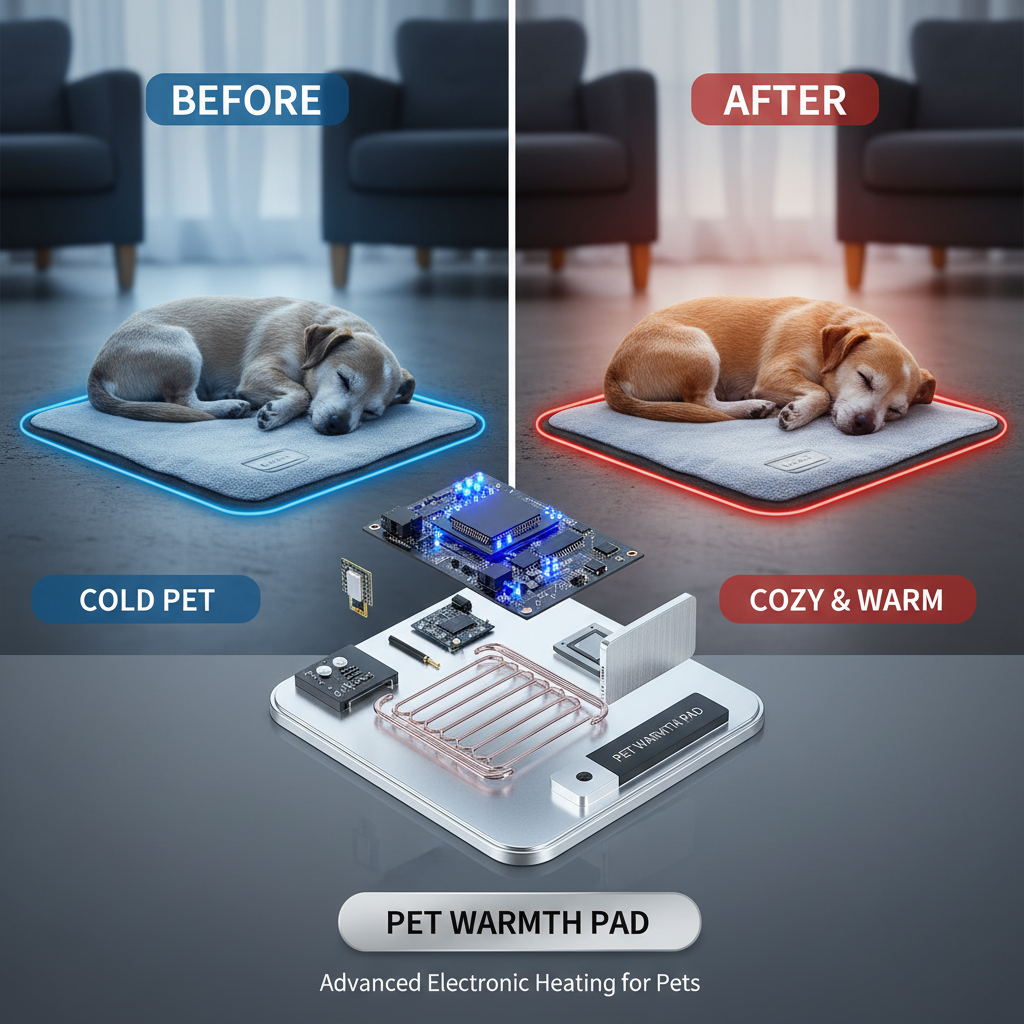
Within healthcare settings, electric throws are utilized for therapeutic purposes, such as providing comfort to patients undergoing medical procedures or aiding in the treatment of muscle soreness. Their adjustable heat settings allow healthcare professionals to tailor the therapy to individual patient needs. Furthermore, they are employed in veterinary medicine to keep animals warm during and after surgery.
Advantages and Long-Term Value
The most tangible benefit of an electric throw is its cost-effectiveness. Compared to heating an entire room, using an electric throw to warm a single person consumes significantly less energy, leading to lower electricity bills. This is particularly beneficial during colder months and for individuals on fixed incomes. The long-term savings can be substantial, making it a financially sound investment.
Beyond cost savings, the long-term value extends to improved wellbeing and a sense of security. Having access to localized warmth can reduce stress, promote relaxation, and enhance overall comfort. The portability of an electric throw allows individuals to enjoy warmth wherever they go, whether at home, in the office, or while traveling, fostering a sense of independence and control.
Future Trends and Innovations
The integration of smart technology is a key trend shaping the future of electric throws. Wi-Fi enabled models with smartphone app control allow users to remotely adjust temperature settings, set timers, and monitor energy consumption. This level of control enhances convenience and energy efficiency. Future designs will likely incorporate voice control and personalized heating profiles.
Sustainable materials and manufacturing processes are also gaining prominence. Manufacturers are exploring the use of recycled fabrics and eco-friendly heating elements to reduce the environmental impact of electric throws. The development of energy-efficient heating technologies, such as graphene-based heating elements, promises to further reduce energy consumption and enhance performance.
The convergence of health and wellness technologies with electric throws is another exciting prospect. Integration with wearable sensors could allow the throw to automatically adjust temperature based on the user’s body temperature and activity level, providing personalized thermal comfort and promoting optimal health.
FAQS
When selecting an electric throw, prioritize models with automatic shut-off timers, overheat protection, and a certified safety standard (like UL or ETL). Look for throws with tightly woven fabrics to prevent wire exposure and ensure the controller is well-insulated. Regular inspection of the cord and heating elements is also crucial for maintaining safe operation. A reliable electric throw should provide both comfort and peace of mind.
Many electric throws are machine washable, but it's essential to follow the manufacturer’s instructions carefully. Typically, you'll need to detach the controller before washing and use a gentle cycle with mild detergent. Avoid using bleach or harsh chemicals. Always ensure the throw is completely dry before reconnecting the controller and using it. Checking the care label is paramount for preserving the lifespan and functionality of your electric throw.
The electricity consumption of an electric throw varies depending on the wattage and usage time. Most electric throws range from 50 to 150 watts. Using a 100-watt throw for 8 hours a day would cost approximately $0.12 to $0.24 per day, depending on your local electricity rates. Energy-efficient models with adjustable temperature settings can help minimize energy consumption and lower your electricity bills.
Electric throws can be beneficial for individuals with certain medical conditions, such as arthritis or poor circulation, but it’s crucial to consult with a healthcare professional before use. People with diabetes, neuropathy, or other conditions that affect sensation should exercise caution and use the throw on a low setting. Always avoid direct contact between the heating element and skin.
The lifespan of an electric throw typically ranges from 3 to 7 years, depending on the quality of the materials, usage frequency, and care. Regular maintenance, such as careful washing and inspection for damage, can extend the lifespan. Factors like the quality of the heating wires and controller also play a significant role in determining overall durability.
Electric throws are generally not designed for outdoor use. Exposure to moisture and extreme temperatures can damage the heating elements and pose a safety risk. It’s essential to use electric throws indoors, in a dry environment, and away from any potential sources of water. For outdoor warmth, consider alternatives designed for outdoor conditions.
Conclusion
In conclusion, the electric throw has evolved from a simple comfort item to a versatile solution addressing needs ranging from personal wellbeing to emergency preparedness. Its energy efficiency, portability, and adaptability make it a valuable asset in a world increasingly focused on sustainability and individual comfort. Understanding its core components, applications, and future trends is crucial for maximizing its benefits and ensuring responsible usage.
Looking ahead, continued innovation in materials, technology, and design will undoubtedly enhance the functionality and appeal of electric throws. By prioritizing safety, sustainability, and user-centric features, manufacturers can further establish the electric throw as an essential component of modern living. For more information and to explore our range of electric throws, visit our website today: www.eleblanket.com.