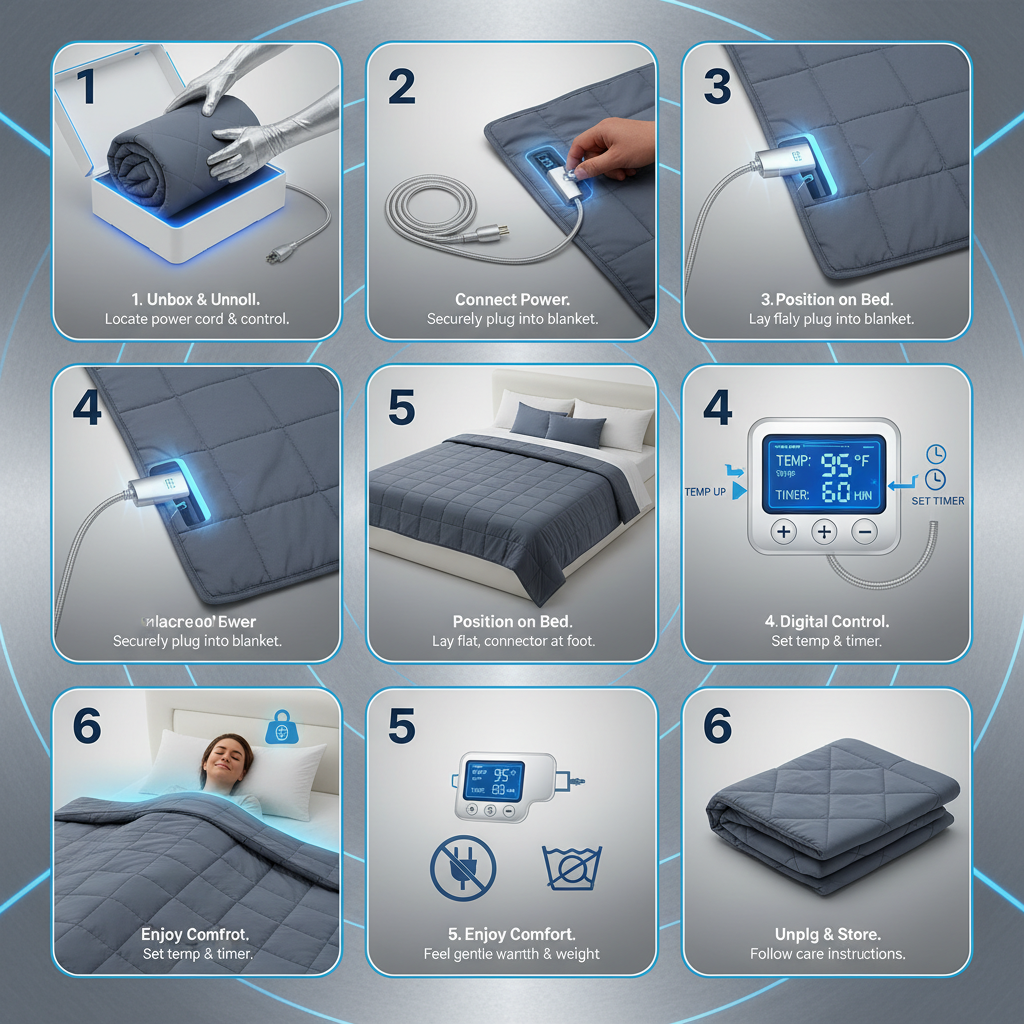
The world is increasingly seeking comfortable and convenient heating solutions, and the washable electric blanket has emerged as a leading option. Its ability to provide targeted warmth, coupled with modern safety features and ease of care, makes it a popular choice across diverse climates and demographics. Understanding the nuances of these blankets—from their construction to their benefits—is crucial for both consumers seeking optimal comfort and manufacturers striving for innovation in the home appliance sector.
The demand for efficient and safe heating solutions is globally significant. According to Statista, the global electric blanket market was valued at approximately USD 2.4 billion in 2023 and is projected to reach USD 3.1 billion by 2028. This growth is fueled by rising energy costs, increasing awareness of health benefits associated with consistent warmth, and an aging population seeking relief from cold-related ailments. However, ensuring consumer safety and product durability remain paramount challenges.
The washable electric blanket represents a significant advancement in personal heating technology. These blankets combine the comfort of traditional blankets with the efficiency of electric heating elements, offering a customizable warmth experience. This targeted heating can be particularly beneficial for individuals with poor circulation or those who simply prefer to stay warm during colder months, addressing a fundamental human need for thermal comfort.
The Global Significance of Washable Electric Blankets
The washable electric blanket isn’t just a seasonal comfort item; it addresses fundamental needs related to health, wellbeing, and energy efficiency. In regions with harsh winters, these blankets offer a cost-effective alternative to central heating, reducing energy consumption and lowering utility bills. Beyond residential use, they are increasingly employed in healthcare facilities, providing soothing warmth for patients recovering from illness or surgery.
The World Health Organization (WHO) recognizes thermal comfort as a key factor in maintaining good health, particularly for vulnerable populations like the elderly and infants. A washable electric blanket can provide a consistent and controllable source of warmth, contributing to improved sleep quality, reduced muscle tension, and enhanced overall wellbeing. Its washability adds an essential hygienic element, particularly important in healthcare settings.
Defining Washable Electric Blankets
A washable electric blanket is essentially a blanket containing integrated heating elements powered by electricity. Unlike traditional heating methods that warm an entire room, these blankets provide localized warmth directly to the user. Key to their modern appeal is the ability to be machine washed, making them a hygienic and convenient heating option.
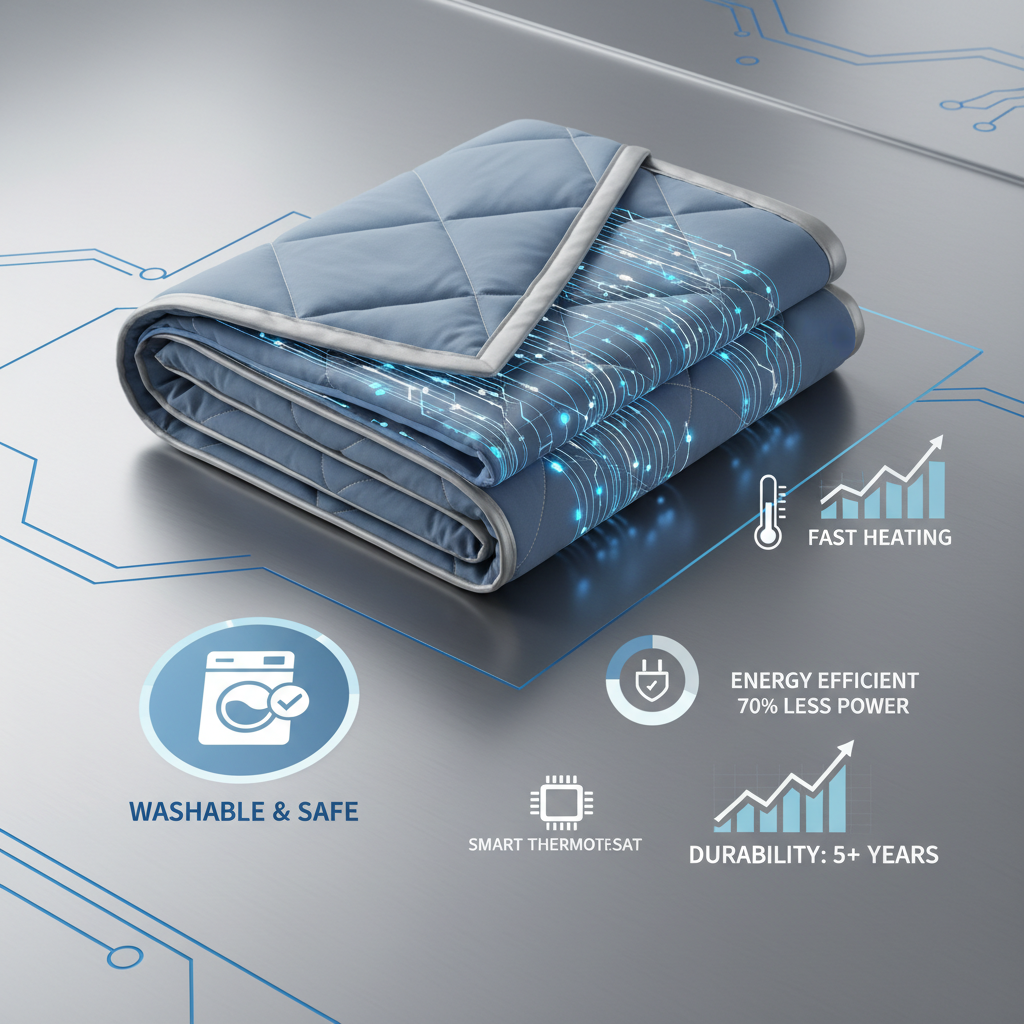
The evolution of the electric blanket reflects a growing demand for personalized comfort. Early models often lacked safety features and were difficult to clean. Modern designs, however, incorporate advanced safety mechanisms such as overheat protection, automatic shut-off timers, and low-voltage technology. The inclusion of washable components marks a significant step forward in user convenience and hygiene.
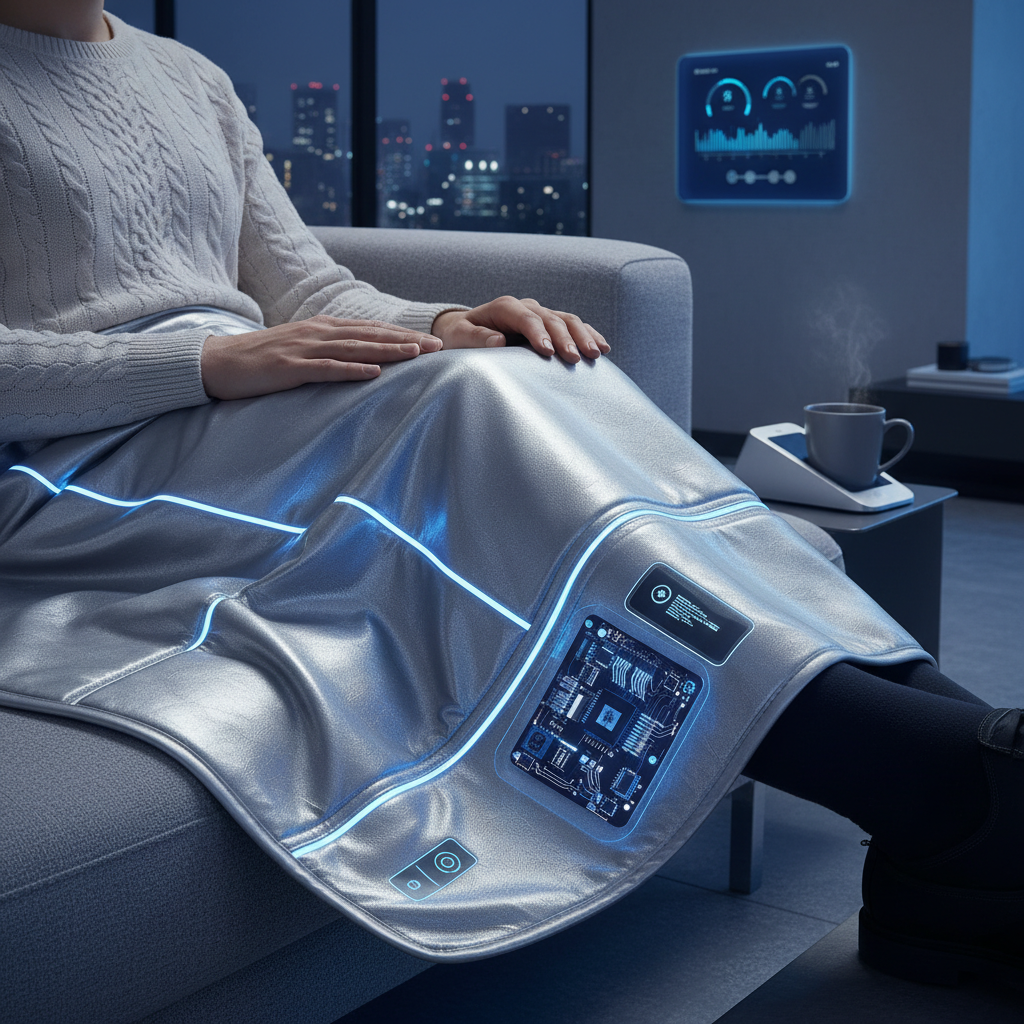
This technology directly ties into the broader trend of smart home integration. Many contemporary washable electric blankets now feature digital controls, allowing users to adjust temperature settings remotely via smartphone apps, enhancing convenience and energy efficiency. This aligns with the increasing demand for connected devices that simplify daily life.
Core Components of a Washable Electric Blanket
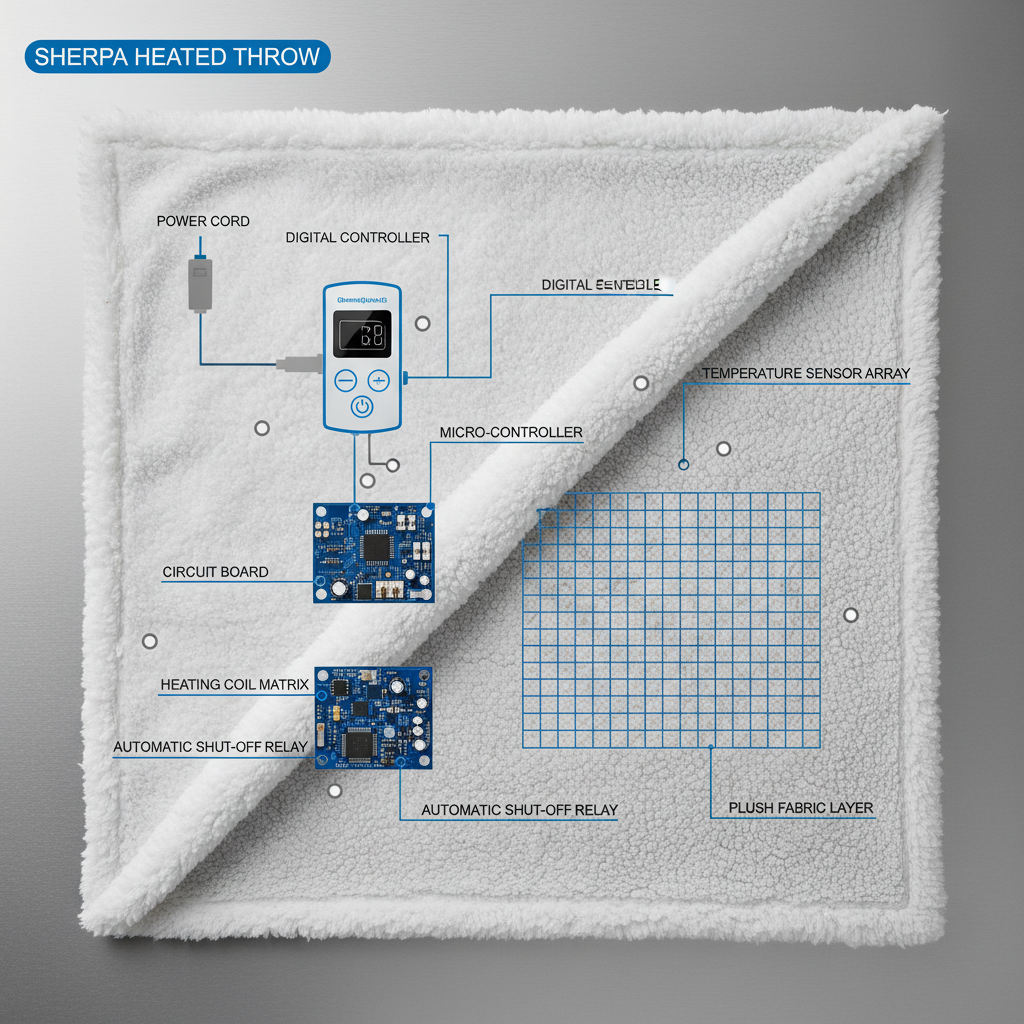
The functionality of a washable electric blanket relies on several core components working in harmony. First, there's the heating element – typically thin, flexible wires woven throughout the blanket fabric. These wires are designed to distribute heat evenly and safely. The control unit regulates the temperature and power supply, often offering multiple heat settings.
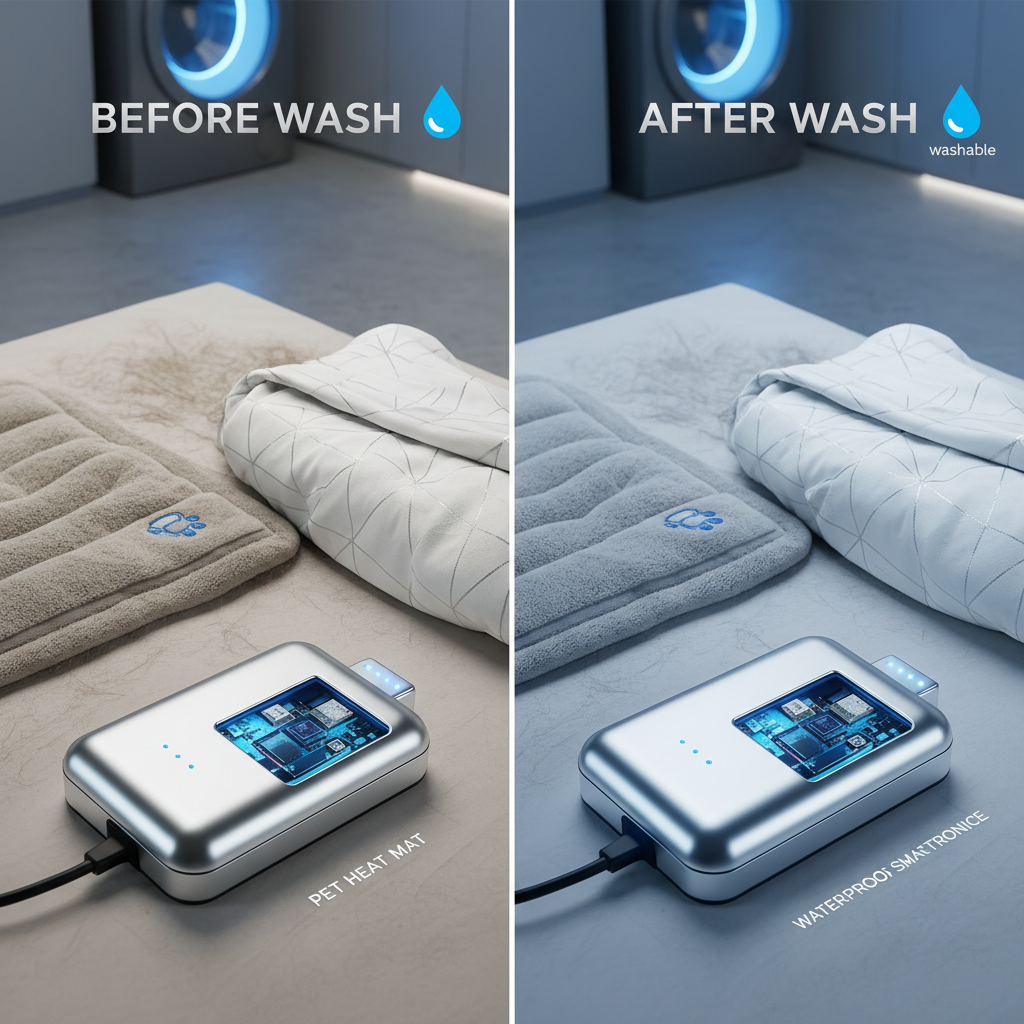
Crucially, the electrical components are securely insulated and designed to withstand repeated washing cycles. The fabric itself plays a vital role, needing to be both comfortable and durable enough to house the heating elements without compromising washability. High-quality materials like microfleece or flannel are commonly used. Safety features, such as overheat protection, are integral to the control unit’s design.
The controller is often detachable, allowing for safe washing of the blanket itself. Modern blankets also incorporate low-voltage technology, reducing the risk of electrical shock. The interplay between these components determines the blanket’s overall performance, safety, and longevity, all impacting its usability as a washable electric blanket.
Applications Across Industries and Lifestyles
The applications of the washable electric blanket extend far beyond simply providing warmth at home. In healthcare, they are utilized in post-operative care to help patients maintain a stable body temperature and promote faster healing. They also provide comfort to individuals undergoing long-term medical treatments.
The hospitality industry also benefits, offering guests a personalized comfort experience. Hotels and resorts are increasingly incorporating these blankets into their amenities, enhancing guest satisfaction and providing a premium service. Similarly, assisted living facilities utilize these blankets to provide consistent warmth to residents, improving their quality of life.
Washable Electric Blanket Performance Metrics
Advantages and Long-Term Value Proposition
The benefits of investing in a washable electric blanket are multifaceted. From a purely economic perspective, they offer a cost-effective heating solution compared to traditional methods, reducing energy bills and providing targeted warmth. The washability ensures a hygienic and long-lasting product, minimizing the need for frequent replacements.
Beyond cost savings, the comfort and health benefits are substantial. Consistent warmth can alleviate muscle aches, improve circulation, and promote restful sleep. The convenience of adjustable temperature settings and automatic shut-off features contributes to a sense of safety and control. This fosters trust and reliability in the product's long-term performance.
Future Trends and Innovations
The future of washable electric blanket technology points towards even greater personalization and integration with smart home ecosystems. We can anticipate advancements in fabric technology, incorporating materials that enhance heat retention and breathability.
Furthermore, the integration of biometric sensors into the blankets could allow for adaptive heating, adjusting temperature based on the user’s body temperature and sleep patterns. Sustainable materials and eco-friendly manufacturing processes will also become increasingly important, aligning with growing consumer demand for environmentally responsible products.
The pursuit of wireless charging and improved energy efficiency are also key areas of innovation. These developments will likely result in even more comfortable, convenient, and sustainable washable electric blankets in the years to come.
Challenges and Solutions in Washable Electric Blanket Technology
Despite significant advancements, challenges remain in the design and manufacturing of washable electric blankets. Maintaining the integrity of the heating elements through repeated washing cycles is a primary concern. Ensuring complete electrical safety is also paramount, particularly with the increased complexity of modern designs.
Solutions lie in the development of more robust insulation materials, improved sealing techniques, and rigorous quality control testing. Adopting advanced manufacturing processes, such as ultrasonic welding, can enhance the durability and reliability of the blankets. Continuous research into new materials and technologies is crucial.
Addressing consumer concerns regarding electromagnetic field (EMF) emissions is also essential. Implementing shielding technologies and adhering to strict safety standards can mitigate these concerns and build consumer trust. Proactive communication about safety features and testing results can further enhance confidence in the product.
Core Component Analysis for Washable Electric Blankets
| Component |
Durability Score (1-10) |
Washability Rating (1-10) |
Cost Impact (Low/Medium/High) |
| Heating Wires |
7 |
8 |
Medium |
| Insulation Material |
9 |
9 |
Medium |
| Control Unit |
6 |
5 |
High |
| Fabric Material |
8 |
10 |
Low |
| Connectors & Wiring |
5 |
6 |
Low |
| Safety Mechanisms |
10 |
7 |
Medium |
FAQS
Most washable electric blankets can be machine washed approximately every 30 washes, or as recommended by the manufacturer. Always detach the controller before washing and follow the specific care instructions provided. Avoid harsh detergents and tumble drying on high heat to prolong the blanket's lifespan.
Yes, it is generally safe to use an electric blanket with a fitted sheet, provided the sheet is made of breathable material like cotton. Avoid using waterproof or plastic-backed sheets, as they can trap heat and potentially damage the blanket. Ensure the blanket lies flat and isn't bunched up under the sheet.
Essential safety features include overheat protection, which automatically shuts off the blanket if it gets too hot; automatic shut-off timers, which turn off the blanket after a set period; and low-voltage technology, which reduces the risk of electrical shock. Look for certifications from reputable safety organizations like UL or ETL.
It is strongly discouraged to attempt repairs on a damaged electric blanket yourself. Electric blankets contain potentially hazardous wiring and components. Any repairs should be performed by a qualified electrician or the manufacturer. Attempting self-repairs could void the warranty and pose a serious safety risk.
The energy consumption of a washable electric blanket varies depending on the wattage and the duration of use. However, they generally consume significantly less energy than heating an entire room. Most blankets operate on low wattage (50-200 watts) and can be used efficiently by only heating the bed before bedtime.
Both offer localized warmth, but differ in application. A heated mattress pad lies under the sheet, providing all-over warmth to the body. A washable electric blanket lies on top of the sheet, offering targeted warmth. Washability is often easier with blankets, and they provide more portability. The best choice depends on personal preference and heating needs.
Conclusion
The washable electric blanket represents a compelling intersection of comfort, convenience, and energy efficiency. From its origins as a simple heating solution to its current iteration as a smart, connected device, it has continuously evolved to meet the changing needs of consumers. Understanding its core components, applications, and future trends is crucial for both manufacturers and end-users alike.
Looking ahead, continued innovation in materials, safety features, and sustainability will be paramount. By embracing new technologies and prioritizing consumer wellbeing, the industry can unlock even greater potential for this versatile product. Explore our range of washable electric blankets today and experience the ultimate in personalized comfort and warmth.