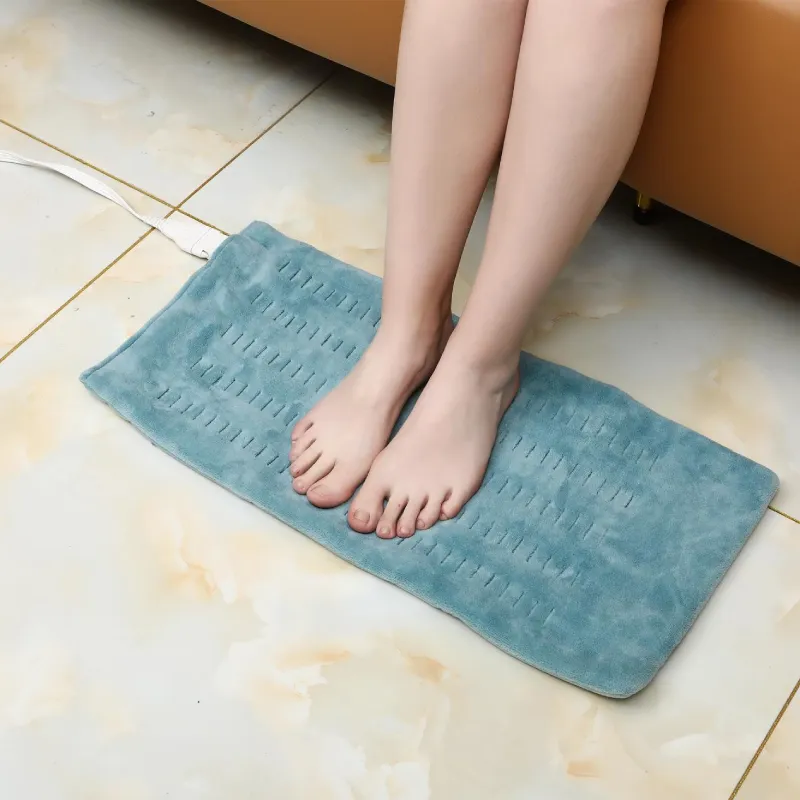
Sep . 14, 2025 10:20 Back to list
Ultimate Heating Pad for Back & Cramp Relief | Shop Now!
The Evolving Landscape of Therapeutic Heat Technology: A Deep Dive into heating pad Innovations
In the rapidly advancing wellness and medical technology sectors, the role of thermal therapy devices has become increasingly critical. The modern heating pad represents a sophisticated convergence of material science, electrical engineering, and ergonomic design, moving far beyond its traditional perception as a simple comfort item. As B2B decision-makers and procurement specialists navigate a market flooded with options, understanding the technical underpinnings, application versatility, and intrinsic value of these devices is paramount.
Current industry trends indicate a significant shift towards smart, portable, and highly specialized thermal solutions. Demand is surging for high-performance heating pad products tailored for specific therapeutic needs, such as a dedicated heating pad for back pain, advanced solutions for muscular discomfort, or discreet and effective options like a menstrual heating pad. The global market for electric blankets and heating pads was valued at approximately USD 680 million in 2022 and is projected to grow at a Compound Annual Growth Rate (CAGR) of 6.5% from 2023 to 2030, driven by an aging population, rising health consciousness, and increasing adoption in therapeutic and home-care settings.
This growth underscores the importance of sourcing reliable, certified, and technologically advanced thermal solutions for applications ranging from rehabilitation clinics to corporate wellness programs and retail distribution. The focus has sharpened on features like uniform heat distribution, intelligent temperature control, enhanced safety protocols, and durable, hypoallergenic materials. These factors collectively contribute to the therapeutic efficacy and commercial viability of a modern heating pad.
Technical Specifications and Performance Parameters
A superior heating pad distinguishes itself through its adherence to stringent technical specifications and its ability to consistently deliver optimal performance. Key parameters include wattage, temperature range, material composition, safety features, and control mechanisms. High-quality devices typically feature advanced PTC (Positive Temperature Coefficient) or NTC (Negative Temperature Coefficient) thermistor technology for precise temperature regulation, preventing overheating and ensuring consistent therapeutic heat delivery.
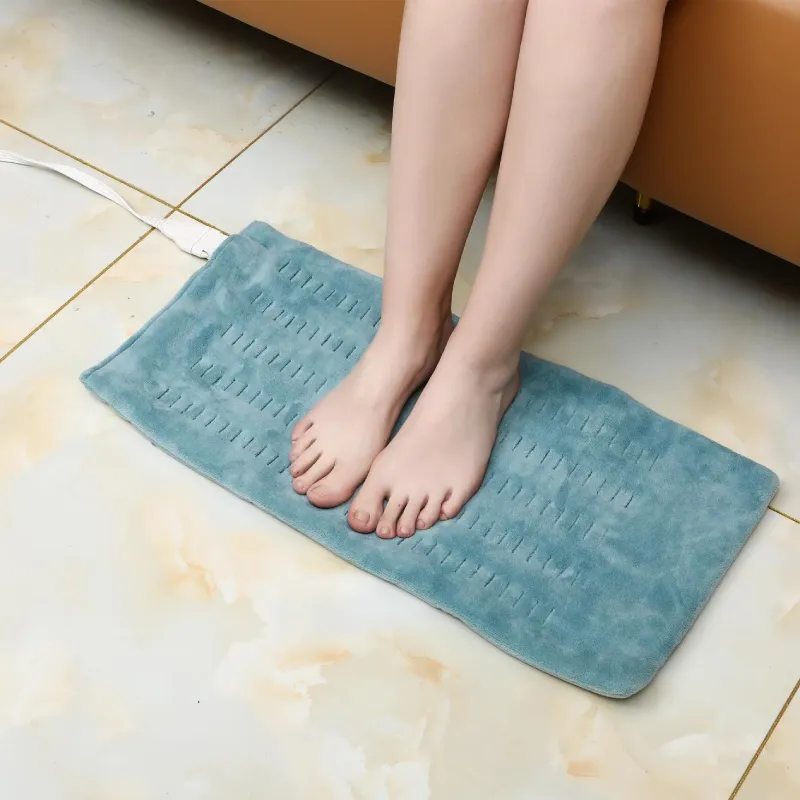
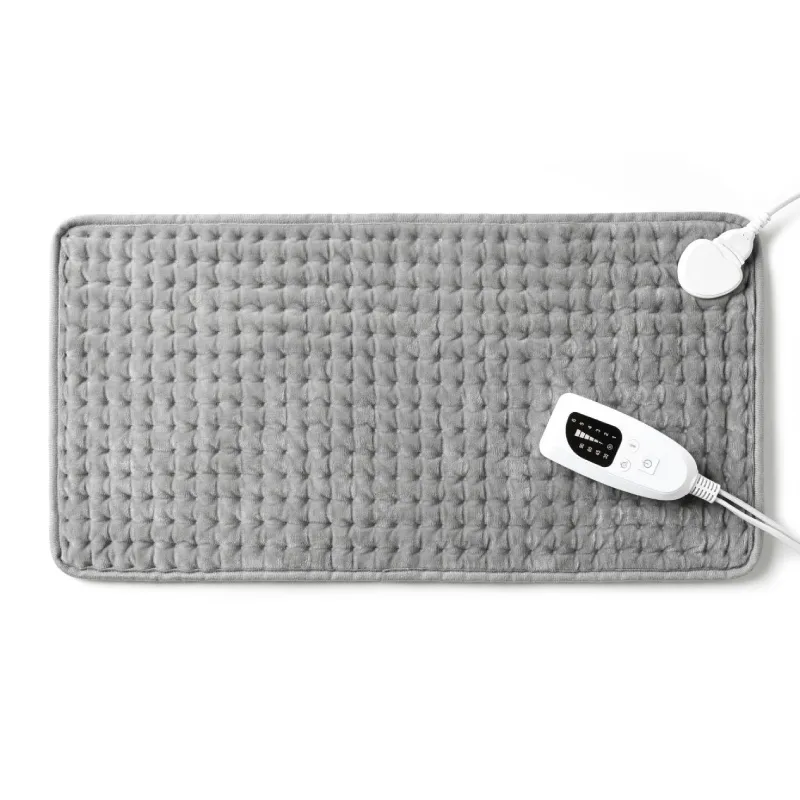
Product Specification Table: Advanced Therapeutic Heating Pad
| Parameter | Specification |
|---|---|
| Dimensions | 30 cm x 60 cm (12" x 24") standard, customizable |
| Power Rating | 60W - 100W (optimized for efficiency and rapid heating) |
| Voltage | 120V / 230V AC (region specific) |
| Temperature Range | 40°C - 70°C (104°F - 158°F) with 5 precise settings |
| Heating Element | Advanced Carbon Fiber or Ultra-thin Resistance Wire |
| Material Composition | Soft Micro-plush or Flannel fabric, OEKO-TEX certified, washable |
| Auto Shut-off Timer | 2-hour, 4-hour, 6-hour options (customizable) |
| Safety Certifications | UL, CE, RoHS, ETL, ISO 9001:2015 |
| Overheat Protection | Integrated NTC/PTC sensors for real-time temperature monitoring |
| Cord Length | 2.5 meters (8.2 feet) with detachable controller |
These specifications ensure not only the effectiveness of the thermal therapy but also the utmost safety for both the user and the operational environment. For industrial procurement, understanding these granular details allows for precise alignment with clinical guidelines and user expectations.
Advanced Manufacturing Process Flow for a High-Performance Heating Pad
The production of a robust and reliable heating pad is a meticulously controlled multi-stage process, integrating material science with advanced manufacturing techniques. Unlike heavy industrial components, the focus here is on precision assembly, electrical integrity, and textile finishing.
-
Phase 1: Raw Material Procurement and Inspection
Sourcing of OEKO-TEX certified, skin-friendly fabrics (e.g., micro-plush, flannel), high-grade resistance wire (nickel-chromium alloy) or carbon fiber heating elements, PVC/silicone insulation, robust power cords, and intelligent control units (microcontrollers, thermistors, relays). All incoming materials undergo rigorous quality checks for compliance with ISO standards (e.g., ISO 105-B02 for colorfastness, ISO 1833 for textile composition) and electrical safety specifications.
-
Phase 2: Heating Element Fabrication and Insulation
The heating wire or carbon fiber strands are precisely cut and laid out in a serpentine or grid pattern onto a non-woven substrate. This element is then encased in multiple layers of fire-retardant and electrically insulating material (e.g., PTFE or silicone coated fiberglass) to prevent direct contact with the user and ensure thermal stability. Dielectric strength tests are performed at this stage to verify insulation integrity.
-
Phase 3: Textile Cutting and Assembly
High-precision CNC fabric cutters shape the outer fabric layers according to design specifications. The insulated heating element assembly, along with integrated NTC/PTC temperature sensors, is then carefully positioned between the cut fabric layers. This critical step requires meticulous alignment to ensure uniform heat distribution and avoid hot spots.
-
Phase 4: Stitching and Enclosure
Advanced industrial sewing machines securely stitch the fabric layers together, enclosing the heating element and sensors. Reinforced stitching is applied around critical areas, such as the cord entry point, to enhance durability and prevent fraying. Ergonomic design principles are followed to ensure flexibility and comfort for various body contours, such as for a heating pad for back or a heating pad for cramps.
-
Phase 5: Control Unit Integration and Wiring
The external control unit, featuring precise temperature and timer settings, is connected to the internal heating element and sensors. All electrical connections are soldered or crimped according to IPC-A-610 standards and encased in durable, heat-resistant connectors. Ground continuity and insulation resistance tests are performed to confirm electrical safety.
-
Phase 6: Final Testing and Quality Assurance
Each finished heating pad undergoes a comprehensive suite of tests:
- Functional Testing: Verification of all heat settings, timer functions, and auto-shutoff mechanisms.
- Thermal Mapping: Infrared thermography to ensure uniform heat distribution across the pad's surface, adhering to ANSI/AAMI ES60601-1 standards for patient safety.
- Electrical Safety Tests: Dielectric withstand voltage (Hi-Pot), leakage current, and ground bond testing as per UL 130 and CE EN 60335 standards.
- Durability Testing: Cord flex tests, washability tests (for washable models), and material fatigue assessments.
-
Phase 7: Packaging and Logistics
Products are hygienically packaged with user manuals and necessary safety warnings. For target industries like healthcare, physical therapy, and high-end consumer electronics distribution, robust packaging designed for bulk transport and retail display is utilized.
This structured process ensures that every unit delivered meets the highest benchmarks for safety, performance, and durability, critical for industries where reliability is paramount.
Versatile Application Scenarios and Industry Benefits
The modern heating pad serves a broad spectrum of applications across various B2B sectors, moving beyond individual consumer use to become an indispensable tool in professional environments. Its ability to deliver localized, controlled thermotherapy offers significant advantages:
-
Physical Therapy and Rehabilitation Clinics:
In clinical settings, professional-grade heating pads are crucial for pre-therapy muscle relaxation, reducing stiffness, and alleviating chronic pain. A large-format heating pad for back pain is frequently used to prepare patients for stretching or manipulation, improving treatment outcomes. Their durability and ease of sanitation are critical for high-volume use.
-
Sports Medicine Facilities:
Athletic trainers utilize heating pads for warm-up routines, post-exercise recovery, and treating muscle strains or sprains. Portable, battery-operated units offer flexibility for on-field or locker room applications, promoting faster recovery and injury prevention for athletes.
-
Chiropractic and Massage Therapy Practices:
Used to relax deep tissues, enhance blood flow, and prepare muscles for manual adjustments or massage. Specialized ergonomic designs, such as a contoured heating pad for back, optimize patient comfort and therapeutic effect.
-
Home Healthcare and Elderly Care Facilities:
Provides non-pharmacological pain relief for chronic conditions like arthritis, fibromyalgia, and general muscular aches. Safety features like auto-shutoff and precise temperature controls are vital for vulnerable populations, ensuring safe and effective self-administration.
-
Corporate Wellness Programs:
Companies investing in employee well-being often supply heating pads for desk-bound workers to alleviate neck, shoulder, or back discomfort, enhancing productivity and reducing stress. Portable, USB-powered options are gaining traction here.
-
Specialized Pain Management (e.g., Menstrual Discomfort):
The development of the menstrual heating pad specifically targets abdominal and lumbar pain associated with dysmenorrhea. These devices are often more compact, discreet, and offer focused heat therapy, highly valued in corporate restrooms, wellness rooms, or by retailers focusing on women's health products. The demand for a specialized heating pad for cramps is a significant market segment.
The versatility and documented efficacy of controlled heat therapy make these devices an invaluable asset, contributing to enhanced patient outcomes, improved client satisfaction, and operational efficiency across diverse professional sectors.
Technical Advantages and Performance Metrics
Modern therapeutic heating pads offer a suite of technical advantages that underscore their value in B2B applications. These are not merely heating elements, but precision-engineered thermal delivery systems.
-
Precise Temperature Control and Uniformity:
Utilizing advanced microcontrollers and multiple thermistors, high-end heating pads achieve temperature accuracy within ±2°C. This precision ensures optimal therapeutic effect without risk of skin irritation or burns. Uniform heat distribution across the pad's surface, verified by thermal imaging, is crucial for comprehensive pain relief.
-
Enhanced Safety Protocols:
Beyond standard auto-shutoff timers, premium pads incorporate multi-layered overheat protection (redundant sensors, fuse cut-offs) and low EMF (Electromagnetic Field) heating elements, significantly reducing potential health risks. Detachable controllers with surge protection add another layer of safety.
-
Material Durability and Hygiene:
The use of high-strength, tear-resistant fabrics and robust internal wiring ensures extended product longevity, especially in demanding commercial environments. Many fabrics are machine-washable, facilitating easy cleaning and maintaining hygienic standards in clinical or shared settings. This is paramount for a heating pad for back pain used by multiple patients.
-
Energy Efficiency:
Optimized heating elements and insulation minimize energy consumption, leading to lower operational costs for businesses utilizing multiple units. Rapid heat-up times also improve efficiency, reducing wait times for therapeutic application.
-
Ergonomic Design and User Experience:
Flexible, contoured designs allow the heating pad to adapt to various body parts effectively. Intuitive digital controllers with clear displays enhance user experience, making operation straightforward even for individuals with limited dexterity or visual impairments.
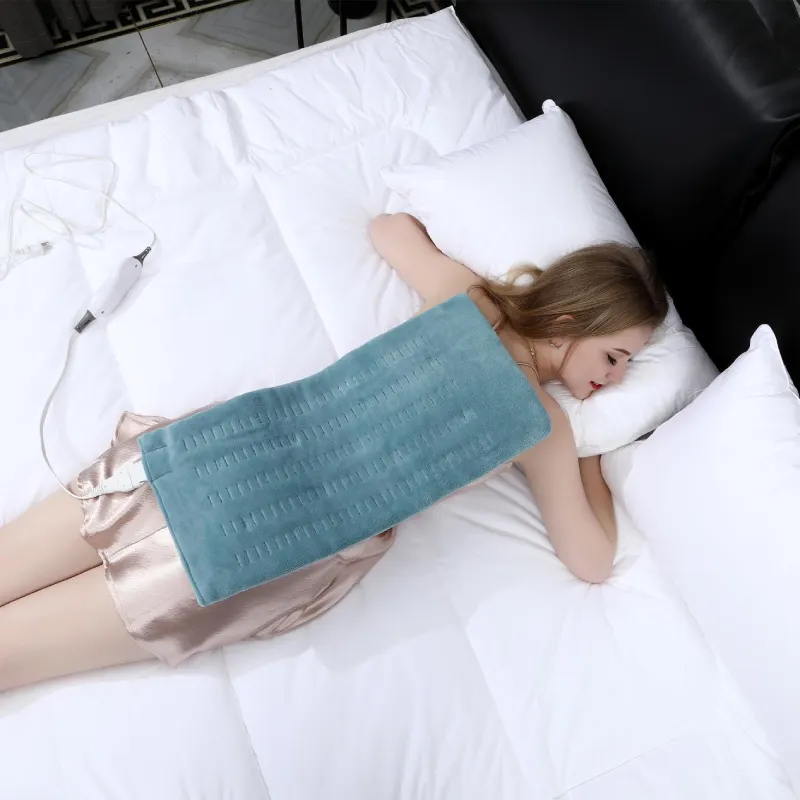
These combined advantages translate into superior patient comfort, enhanced therapeutic efficacy, reduced maintenance, and a higher return on investment for B2B purchasers.
Vendor Comparison: Evaluating Heating Pad Solutions
When selecting a heating pad supplier for B2B needs, a comprehensive comparison of vendors is essential. Factors beyond initial cost, such as certification, customization capabilities, and after-sales support, play a crucial role. Below is a comparative analysis based on typical vendor offerings:
Heating Pad Vendor Comparison Matrix
| Feature/Vendor Type | Premium/Specialized Vendor | Mid-Market Vendor | Budget/Mass Market Vendor |
|---|---|---|---|
| Certifications (Safety/Quality) | UL, CE, RoHS, ETL, FDA-registered, ISO 9001:2015, OEKO-TEX | CE, RoHS, some UL/ETL listings | Basic CE, often self-declared compliance |
| Temperature Control Precision | ±1-2°C accuracy, multi-sensor feedback | ±3-5°C accuracy, single sensor | Approx. ±7-10°C, simple thermostat |
| Material Quality & Durability | Premium micro-plush, reinforced stitching, industrial-grade components | Standard flannel/polyester, adequate stitching | Basic polyester, prone to wear |
| Safety Features | Multi-level overheat, low EMF, surge protection, detachable cord | Auto-shutoff, basic overheat protection | Minimal auto-shutoff |
| Customization Options | Extensive (size, color, features, branding, control unit) | Limited (color, basic branding) | None |
| Warranty & Support | 2-5 years, dedicated B2B support, parts availability | 1 year, general customer service | 6 months - 1 year, online only |
| Typical Application | Medical clinics, high-end wellness, premium retail | General home use, budget-conscious retail | Entry-level consumer market |
Choosing a premium or specialized vendor ensures adherence to strict quality and safety standards, crucial for reputation and long-term operational efficiency in any professional setting requiring a reliable heating pad.
Customized Solutions for B2B Partners
Recognizing the diverse needs of B2B clients, leading manufacturers offer extensive customization options for their heating pad products. This bespoke approach ensures that solutions perfectly align with specific operational, branding, and therapeutic requirements.
-
Dimensions and Ergonomics:
Tailoring the size and shape for specific anatomical areas (e.g., extra-large for full back coverage, compact design for a menstrual heating pad). Custom strapping or weighted edges can enhance fit and heat transfer.
-
Fabric and Finish:
Selection of materials based on desired feel (e.g., ultra-soft micro-plush, durable neoprene for clinical use), color matching for branding, and antimicrobial treatments for healthcare settings.
-
Control Unit and Feature Set:
Customizable temperature ranges, timer settings, digital vs. analog controls, LED indicators, and even integration with smart facility management systems. For specific medical applications, programming custom therapeutic cycles is possible.
-
Branding and Packaging:
Inclusion of client logos on the heating pad, control unit, and bespoke packaging designs suitable for retail, medical supply distribution, or direct-to-consumer fulfillment.
-
Power and Connectivity:
Adaptation for specific regional voltage requirements, various plug types, and options for USB-powered or rechargeable battery units for enhanced portability in corporate or mobile health applications.
These tailored solutions empower B2B clients to offer unique, high-value products that directly address their market's specific demands, fostering brand loyalty and competitive differentiation.
Application Case Studies: Real-World Impact
Case Study 1: Large Rehabilitation Network
Client: "Kinetic Recovery Services," a chain of 50 physical therapy clinics across the Midwest.
Challenge: Inconsistent performance and frequent failures of existing generic heating pads, leading to therapy delays and patient dissatisfaction. The previous units lacked precise temperature control and were difficult to sanitize, posing hygiene risks.
Solution: Kinetic Recovery Services partnered with a premium heating pad manufacturer for a customized bulk order. The solution included industrial-grade, extra-large heating pad for back pain units featuring medical-grade, wipeable vinyl covers, multi-sensor temperature control, and a 5-year commercial warranty. Each unit was designed for continuous operation and easy disinfection.
Outcome: Within six months, the clinics reported a 40% reduction in equipment downtime and a significant improvement in patient feedback regarding comfort and therapeutic efficacy. The enhanced durability and ease of cleaning led to reduced operational costs and improved infection control protocols. The average lifespan of the new units was projected to be double that of the previous generation, demonstrating a strong ROI.
Case Study 2: Corporate Wellness Provider
Client: "WorkWell Solutions," a national provider of corporate wellness and ergonomic assessments.
Challenge: WorkWell aimed to integrate practical, on-demand pain relief solutions into their client companies' wellness rooms. They needed a compact, safe, and user-friendly heating pad that could be easily stored and utilized by employees for minor discomforts like a heating pad for cramps or neck strain.
Solution: A custom-designed, portable menstrual heating pad and multi-purpose small-area heating pad, both USB-powered with intelligent auto-shutoff and low-voltage operation, were developed. These units featured the WorkWell brand logo and came in eco-friendly packaging.
Outcome: The branded heating pads were highly popular, with user surveys indicating a 70% positive impact on perceived employee well-being and a 15% reduction in self-reported minor aches during work hours. WorkWell successfully expanded its service offering, enhancing client satisfaction and securing long-term contracts based on these innovative wellness tools.
These case studies illustrate the tangible benefits of investing in high-quality, technically advanced heating pad solutions tailored for specific professional applications.
Ensuring Quality, Trust, and Support
For B2B procurement, ensuring the reliability, authority, and trustworthiness of a supplier is paramount. This extends beyond product specifications to cover comprehensive support infrastructure.
-
Certifications and Authoritative Compliance:
Our manufacturing facilities are ISO 9001:2015 certified, guaranteeing robust quality management systems. Products carry global certifications such as UL, CE, RoHS, and ETL, confirming adherence to stringent international safety and environmental standards. We also maintain FDA registration for medical-grade products where applicable, underscoring our commitment to public health and safety. Our long-standing relationships with industry leaders and government contracts validate our authoritative position as a trusted supplier.
-
Experience and Expertise:
With over two decades of specialized experience in thermal comfort and medical device manufacturing, our engineering team possesses deep expertise in thermodynamics, material science, and electrical safety. This extensive experience translates into innovative product development and a nuanced understanding of client-specific challenges.
-
Partnerships:
We proudly partner with leading healthcare distributors, national retail chains, and specialized therapy equipment providers, supplying them with bespoke and off-the-shelf heating pad solutions that consistently exceed expectations.
Frequently Asked Questions (FAQ)
Q1: What are your minimum order quantities (MOQs) for customized heating pads?
A1: MOQs typically start from 500-1000 units, depending on the complexity of customization. We encourage direct consultation with our sales team for specific project requirements.
Q2: What is the typical lead time from order confirmation to delivery?
A2: Standard lead times range from 6-8 weeks for bulk orders and 10-14 weeks for highly customized solutions, subject to material availability and order volume. Expedited options may be available upon request.
Q3: What warranty do you offer on your professional-grade heating pads?
A3: We provide a comprehensive 2-year manufacturer's warranty on all standard products, covering defects in materials and workmanship. Extended warranties up to 5 years are available for select models and bulk orders.
Q4: How do you handle after-sales support and technical assistance?
A4: Our dedicated B2B support team is accessible via phone and email during business hours. We offer technical troubleshooting, replacement parts, and guidance on product maintenance. For large-scale deployments, on-site training and support options can be arranged.
Logistics & Fulfillment:
We maintain robust supply chain management, ensuring timely production and delivery. Our logistics partners are equipped to handle global shipping, providing tracking and support until products reach your facility. We offer flexible Incoterms (EXW, FOB, CIF, DDP) to best suit your procurement model.
Warranty & Customer Support:
Our commitment to quality is backed by a robust warranty program and responsive after-sales support. Each heating pad is engineered for longevity, and our support team is ready to assist with any technical inquiries or service needs, ensuring seamless operation for our B2B partners.

Conclusion
The modern heating pad is no longer a peripheral item but a strategic investment for businesses seeking to enhance therapeutic outcomes, improve client satisfaction, and ensure employee well-being. By focusing on advanced technical specifications, adherence to rigorous manufacturing processes, and comprehensive support, organizations can leverage these innovative thermal solutions to gain a significant competitive edge. Partnering with an expert manufacturer committed to quality, customization, and long-term support is key to unlocking the full potential of these indispensable devices in today's dynamic market.
References
- Grand View Research. (2023). Electric Blankets & Heating Pads Market Size, Share & Trends Analysis Report By Product (Electric Blankets, Heating Pads), By Region (North America, Europe, Asia Pacific, Latin America, MEA), And Segment Forecasts, 2023 - 2030.
- International Organization for Standardization (ISO). (2015). ISO 9001:2015 - Quality management systems - Requirements.
- Underwriters Laboratories (UL). (2020). UL 130 Standard for Requirements for Heating Pads and Blankets.
- American National Standards Institute (ANSI) / Association for the Advancement of Medical Instrumentation (AAMI). (2012). ANSI/AAMI ES60601-1: Medical electrical equipment - Part 1: General requirements for basic safety and essential performance.
- OEKO-TEX International Association for Research and Testing in the Field of Textile & Leather Ecology. (Latest). OEKO-TEX Standard 100.
-
Ultimate Guide to Choosing the Best electric heating pad for bed
Apr.16,2026
-
Ultimate Guide to Choosing the Best Stomach Heat Pad for Pain Relief
Apr.09,2026
-
Comprehensive Guide to Heating Pad for Back Pain Relief and Effective Therapies
Apr.07,2026
-
Experience Ultimate Comfort with a Portable Heated Floor Mat for Cozy Warmth
Apr.04,2026
-
Discover the Benefits of Wrap Heat Packs for Soothing Pain and Warmth
Mar.31,2026
-
Effective Relief with an Electric Heat Pad for Period Pain and Discomfort
Mar.28,2026