Oct . 10, 2025 09:30 Back to list
Pet Heating Blanket: Safe, Washable, Adjustable Heat?
Warmth That Pets Actually Use: A Field Look at the Pet Heating Blanket
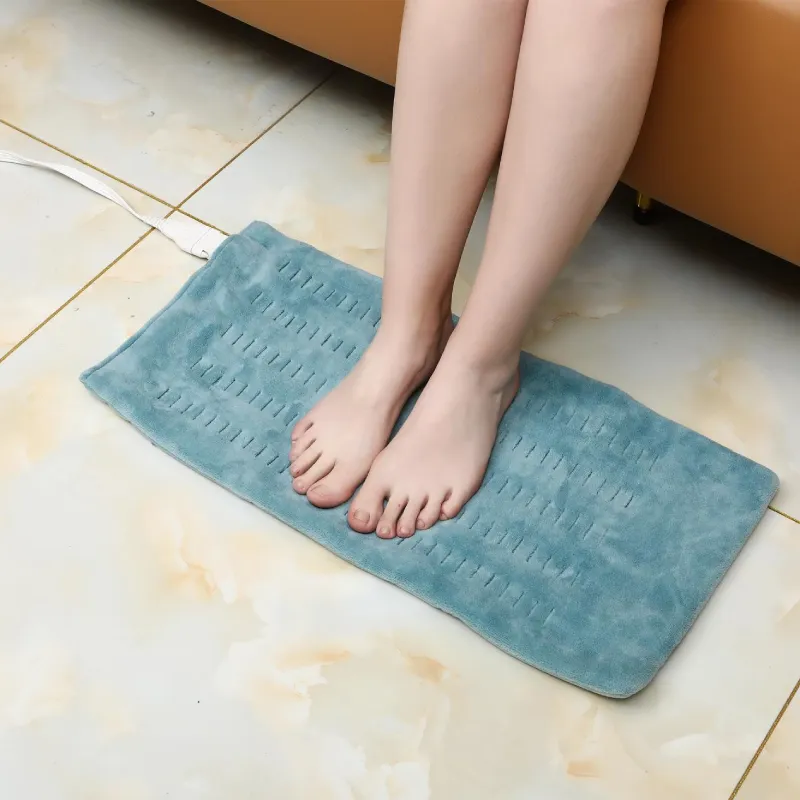
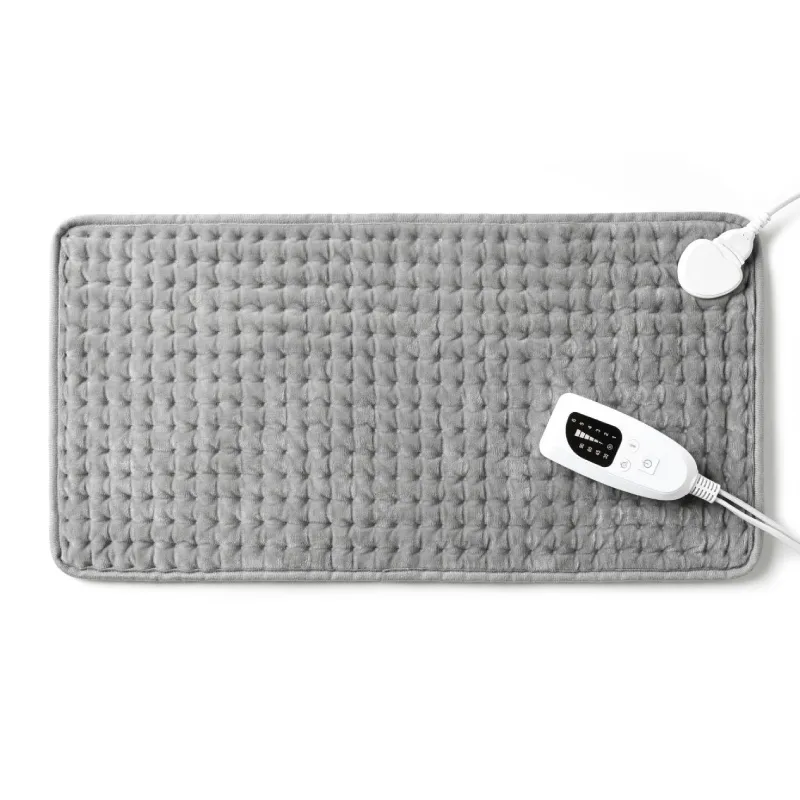
If you’ve ever watched an elderly cat seek out the last sunbeam on the floor, you already understand the why. The market for heated pet gear is quietly booming—vets cite thermotherapy for recovery and joint comfort, and shelters lean on it for neonatal care. I’ve tested a handful of pads and blankets, and—surprisingly—the difference often isn’t the wattage. It’s the thermal uniformity, safety logic, and the fabric stack-up. That’s where this Pet Heating Blanket coming out of South of Mucun Village, Mucun Township, Xinle City, Shijiazhuang City has been making waves with buyers I trust.
What’s Trending (and what actually matters)
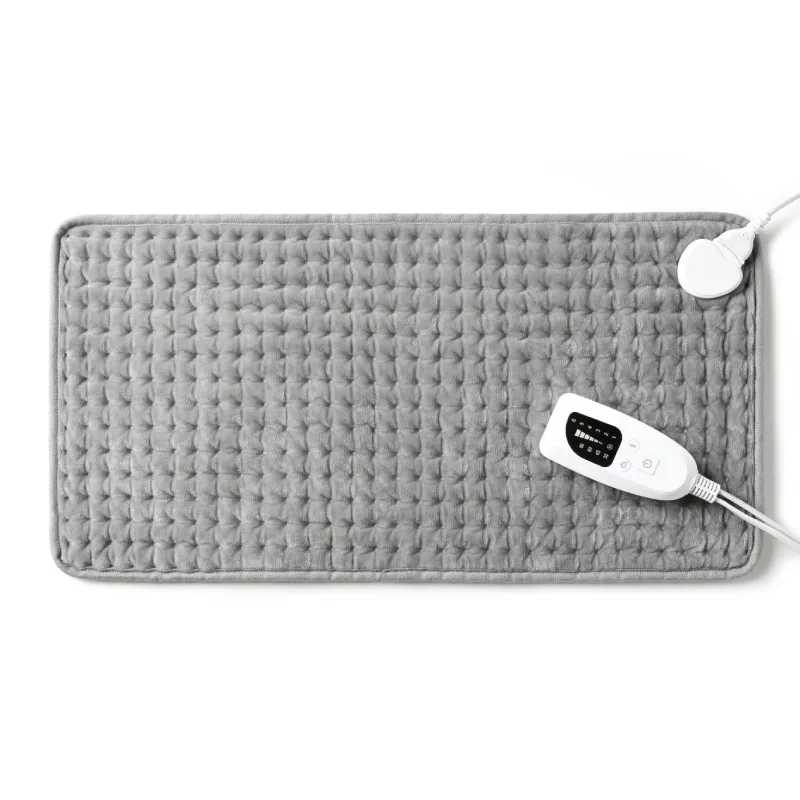
Real talk: the shift is from basic resistive wires to printed PTC films and carbon-fiber meshes. Why? More even heat and self-limiting behavior. Add NTC-driven controllers and you get safer surface temps. Many customers say the latest Pet Heating Blanket units hold a steady 38–40°C without those uncomfortable hot spots that make pets hop off.
Typical Specs (field-tested ranges)
| Parameter | Spec (≈, real-world may vary) |
|---|---|
| Heating element | Printed PTC film or carbon-fiber mesh |
| Power / Voltage | 18–45 W @ 12V/24V or 110–240V (region-specific) |
| Temp range | 25–45°C with ±2.5°C uniformity |
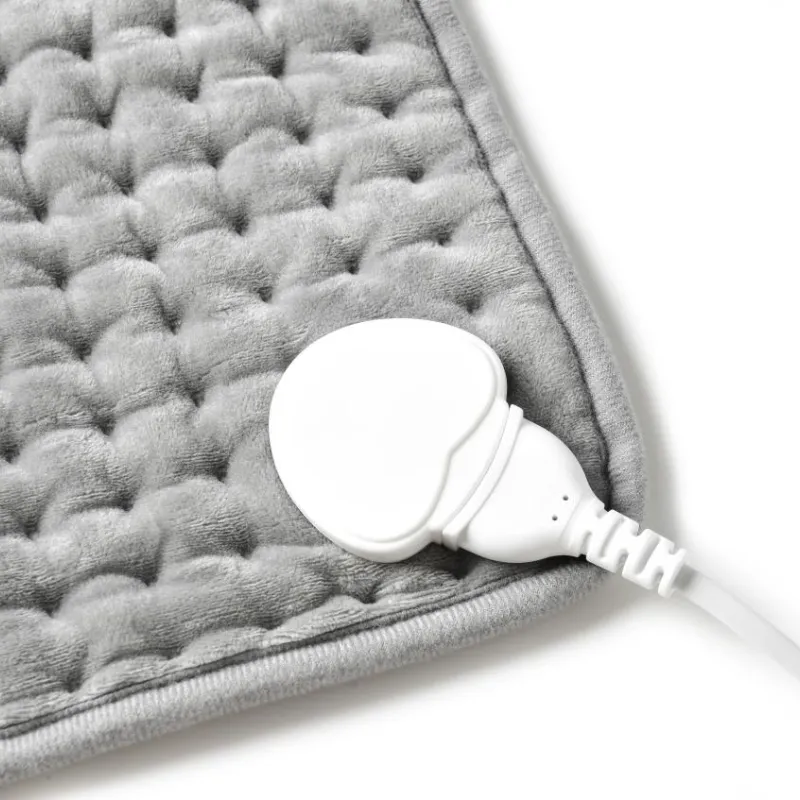
| Cover / Build | Washable fabric cover; water-resistant inner liner; chew-resistant cable |
| Safety | Overheat cutoff ≈55–60°C; leakage current <0.25 mA @ 230V |
| Ingress rating | IPX4 splash-resistant (typical) |
| Service life | ≥5,000 h; fold test ≥20,000 cycles |
Where it’s used (and why it sticks)
- Senior pets with arthritis; post-op recovery in vet clinics
- Neonatal pups/kittens; whelping boxes; foster programs
- Crates during travel; grooming tables; shelter intake areas
- Research facilities needing controlled microclimates
Interestingly, shelters report calmer behavior when the Pet Heating Blanket maintains 37–39°C—close to body warmth and much less “hot/cold cycling.”
Build and QC process (the unglamorous bit that matters)
Materials: high-density polyester outer, TPU/PVC inner liner, PTC film, NTC sensor, flame-retardant PP boards near connectors. Methods: multilayer lamination, sealed seams, strain-relief overmolds, and fabric cover over zippers or Velcro (depends on spec). Testing: 72 h burn-in, thermal imaging for hot spots, IPX4 splash test, cord pull test (≥50 N), and dielectric withstand per IEC 60335-1. Service life is validated with fold and abrasion tests. To be honest, this is where cheaper pads fail first.
Compliance and certifications (what buyers ask me about)
Models aimed at North America typically pursue UL/ETL to UL 130 or UL 499; EU buyers ask for EN/IEC 60335-2-17 compliance, CE, RoHS, and REACH. Some versions add FCC Part 15 (Class B) for emissions. Always check the label; certifications are model-specific.
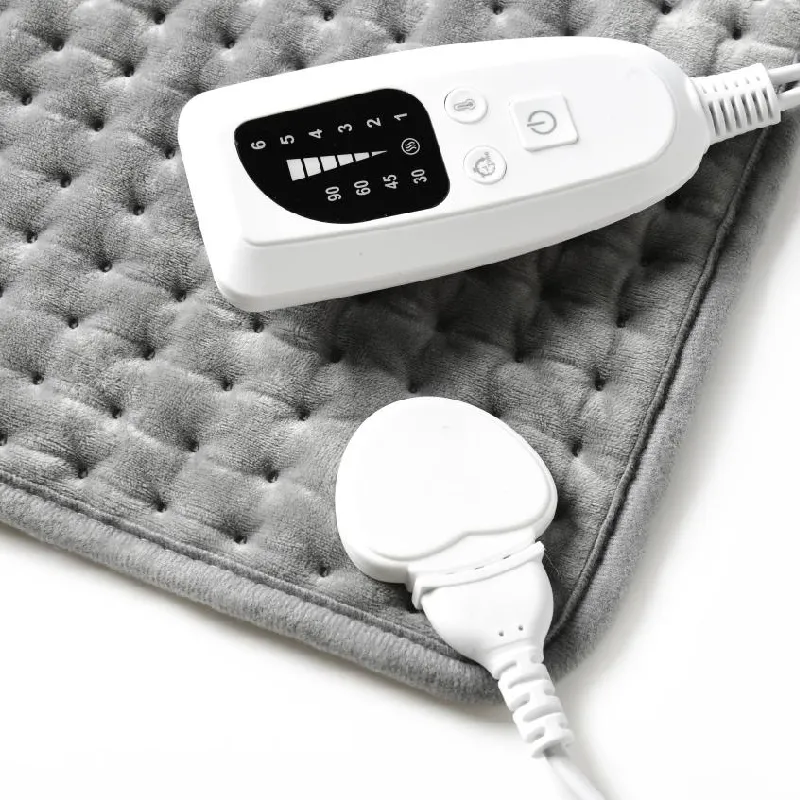
Vendor landscape: who does what
| Vendor | Heating tech | Safety focus | Customization | Lead time |
|---|---|---|---|---|
| Eleblanket (origin: Xinle, Shijiazhuang) | PTC film, NTC control | IEC/UL-oriented; burn-in + thermal scan | Sizes, voltage, covers, logo | ≈15–25 days |
| Generic marketplace brand | Wire-based | Basic CE/RoHS; limited QC | Minimal | Stock/fast |
| Veterinary supply brand | PTC film + pro controllers | UL/ETL; service network | Moderate | ≈30–45 days |
Customization and pricing
You can spec voltage (12/24V), target temps, fabric colors, removable washable covers, and even crate-fit sizes. Order price differs by build, obviously—thicker insulation and tighter uniformity cost more. Ask for the thermal-map data; good vendors share it.
Mini case notes
Rescue shelter, Midwest US: 20 units deployed in kitten fosters; reported weight gain improved week 1–2 versus old pads. Care team liked splash resistance and the gentler auto-cutoff.
Small-animal clinic, EU: Switched to Pet Heating Blanket with PTC film; post-op recovery times felt steadier—nurses mentioned fewer fidgety patients at night.
Safety tips (from the trenches)
- Use the lowest effective temp; avoid direct contact for hairless or neonatal pets—add a towel layer.
- Inspect cords; retire units with damaged covers.
- In crates, ensure airflow; no stacking under heavy bedding.
References:
- IEC 60335-2-17: Particular requirements for blankets, pads and similar flexible heating appliances.
- UL 130 / UL 499: Electric heating pads and household electric heating appliances.
- Directive 2011/65/EU (RoHS) and Regulation (EC) No 1907/2006 (REACH).
- FCC 47 CFR Part 15 Subpart B: Unintentional Radiators.
-
Ultimate Guide to Choosing the Best electric heating pad for bed
Apr.16,2026
-
Ultimate Guide to Choosing the Best Stomach Heat Pad for Pain Relief
Apr.09,2026
-
Comprehensive Guide to Heating Pad for Back Pain Relief and Effective Therapies
Apr.07,2026
-
Experience Ultimate Comfort with a Portable Heated Floor Mat for Cozy Warmth
Apr.04,2026
-
Discover the Benefits of Wrap Heat Packs for Soothing Pain and Warmth
Mar.31,2026
-
Effective Relief with an Electric Heat Pad for Period Pain and Discomfort
Mar.28,2026