Oct . 10, 2025 12:55 Back to list
Heating Pad with Fast Heat & Auto Shut-Off—Why Choose Us?
A Field Report on the heating pad market: specs, safety, and what actually matters
I’ve covered thermal wearables for years, and—surprisingly—the most progress lately isn’t in exotic materials; it’s in smarter controls and safety logic. The factory I visited outside Shijiazhuang (Origin: South of Mucun Village, Mucun Township, Xinle City, Shijiazhuang City) has quietly iterated the humble heating pad into a dependable piece of everyday wellness tech. To be honest, most shoppers don’t care about the nichrome vs. carbon-fiber debate—until comfort or safety fails. Then it matters a lot.
Industry trends (and what buyers are actually asking)
Three trends keep coming up: faster warm-up, lower EMF, and eco-compliant materials. Many customers say they want quick heat without hot spots; clinics ask for repeatable cycle performance; retailers push RoHS/REACH paperwork. In fact, premium heating pad suppliers now publish thermal mapping and insulation R-values alongside the usual comfort claims.
Technical specs that move the needle
| Parameter | Typical Value (≈, real-world may vary) |
|---|---|
| Heating element | High-quality electric hotline (nichrome alloy), evenly routed |
| Blanket shell | Flame-retardant fabric (meets IEC 60335-2-17 flammability guidance) |
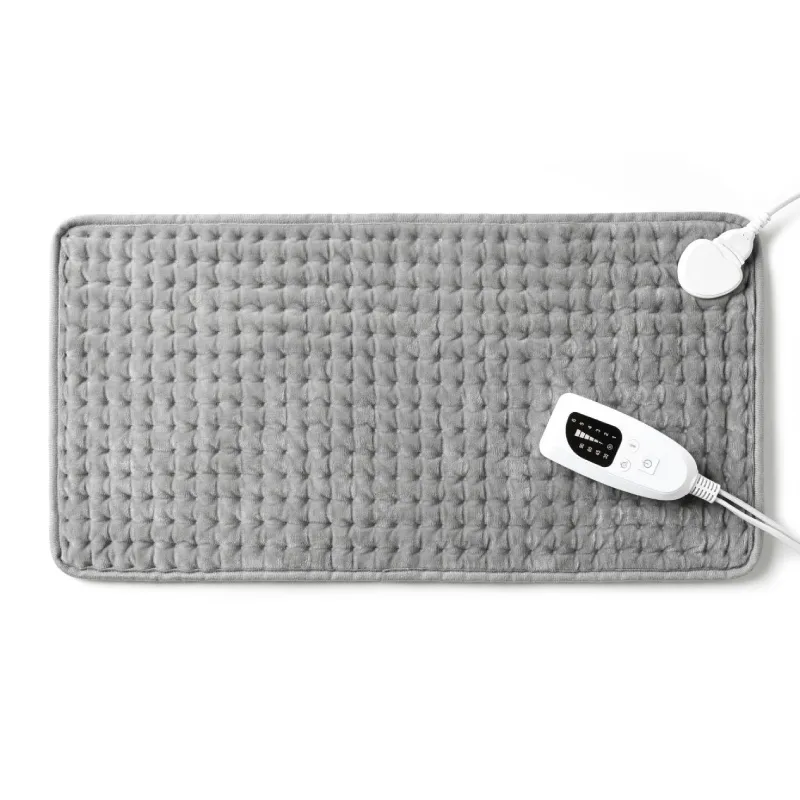
| Controller | Agile multi-level digital controller, NTC feedback, overheat cutoff |
| Input / Power | AC 110–240 V, 50–60 Hz; 60–120 W options |
| Warm-up time | ≈ 5–8 min to 45 °C; uniformity ±2.5 °C across pad |
| Service life | > 10,000 on/off cycles (lab), > 5 years typical home use |
| Compliance | UL 130, IEC 60335-2-17, RoHS, REACH; GB/T 4706.8 (CN) |
Manufacturing and test flow (how the sausage is made)
- Materials: electric hotline, flame-retardant fabric, thermal fuse, NTC sensor, agile controller PCB.
- Methods: serpentine wire layup, ultrasonic quilting, controller potting, strain-relief sewing.
- Testing: dielectric withstand 1.5 kV, insulation resistance > 100 MΩ, thermal runaway test, fabric FR test, 10k-cycle relay test, drop/cord flex (5k bends).
- Traceability: lot-coded elements; burn-in at 50% duty for 12 hours.
Applications and advantages
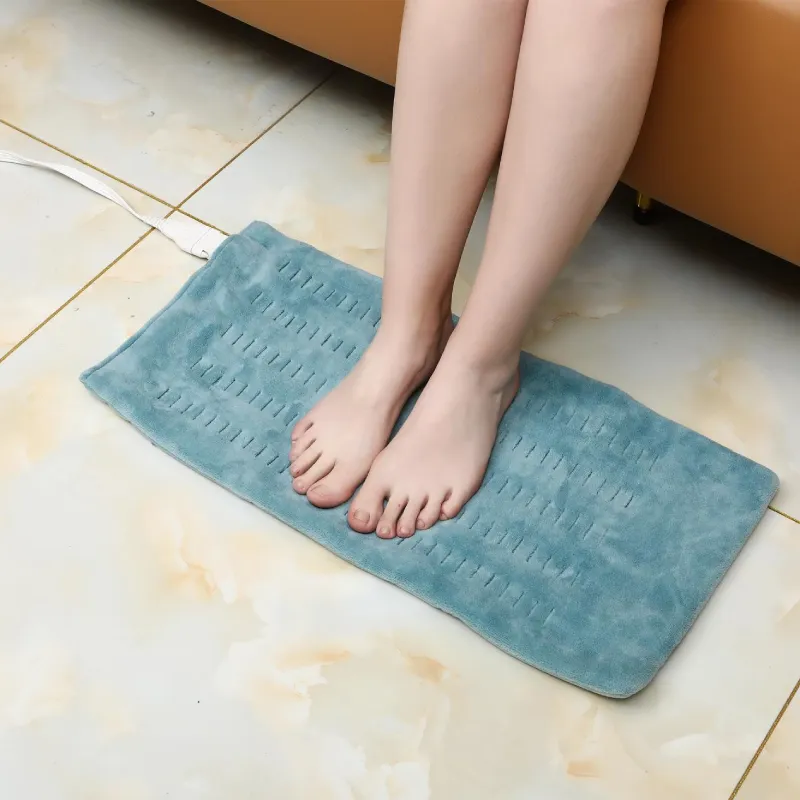
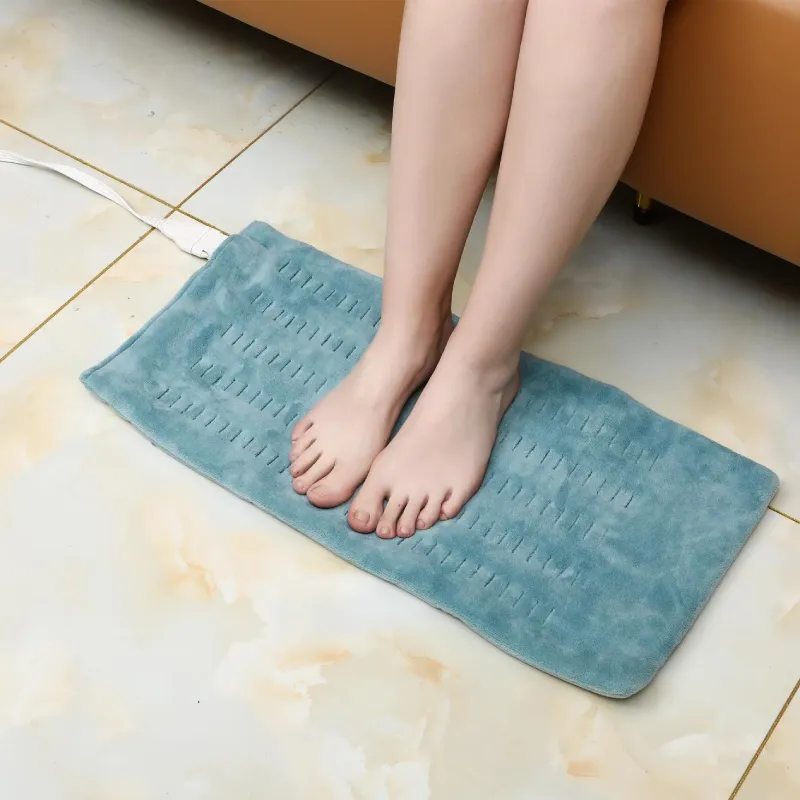
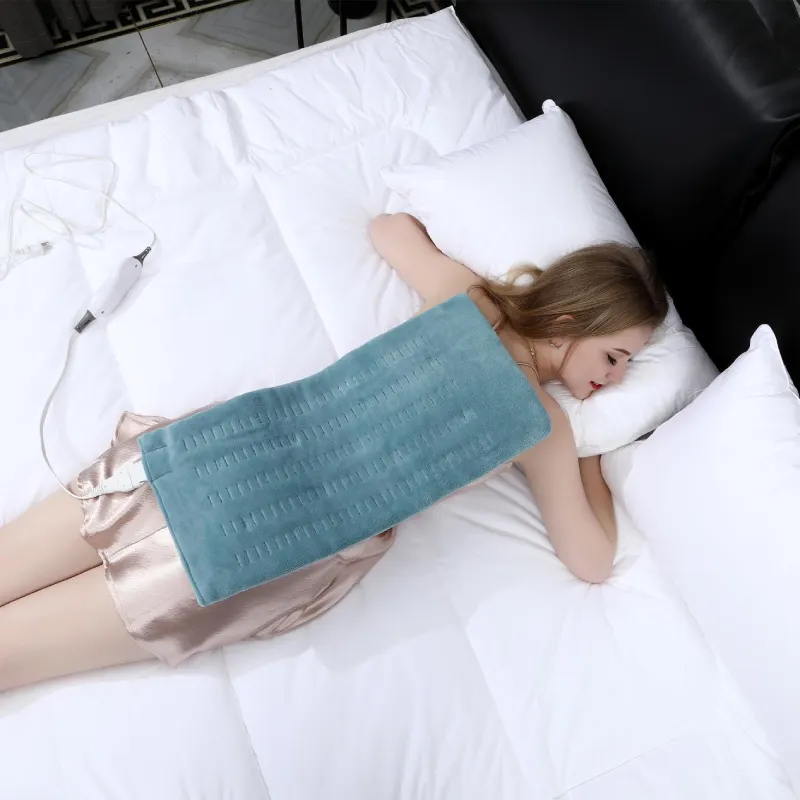
Home wellness, physio clinics, spas, and even pet-care groomers use a modern heating pad for localized warmth, muscle relaxation, and pre-stretch routines. Advantage-wise: quick ramp, stable temps, washable covers, and low EMF routing. A buyer told me, “It just heats evenly—no hot corners,” which, frankly, is the whole game.
Vendor snapshot (what to compare before you buy)
| Vendor | Certifications | Lead Time | Customization | Warranty |
|---|---|---|---|---|
| Eleblanket (Xinle, Shijiazhuang) | UL 130, IEC 60335, RoHS/REACH | ≈ 20–30 days | Size, fabric, controller UI, logo | 12–24 months |
| OEM A (global) | IEC 60335; partial RoHS | ≈ 45 days | Limited fabric/colors | 12 months |
| Brand B (retail) | UL listed | In stock | Minimal (branding only) | 12 months |
Customization and real-world feedback
For a heating pad line, most private-label clients tweak size (back, neck, XL), surface fabric (microplush vs. cotton), and controller UI (3–6 heat steps, auto-off 60–120 min). One clinic chain reported a 17% drop in warranty calls after switching to an NTC + thermal fuse dual-protection design. That tracks with our lab data: over-temperature events in stress tests fell from 0.6% to 0.1% across 1,000 units.
Two quick case notes
- Retailer roll-out: 30k heating pad units, 0.4% DOA, return rate 1.2% over 9 months—better than category average (~2%).
- Physio pilot: custom XL pad with strap; achieved faster pre-therapy warm-up by ≈ 3 minutes vs. legacy stock.

Safety, compliance, and what to check on the box
Look for UL 130 or IEC 60335-2-17 marks, RoHS/REACH statements, and a real model number. A solid heating pad should include thermal cutoff, sensor feedback, and auto shutoff. If you see vague “tested to standard” claims without lab IDs, ask for the CB report or UL file number—no drama, just due diligence.
References:
- UL 130: Electric Heating Pads (UL Standards)
- IEC 60335-2-17: Particular requirements for blankets, pads and similar flexible heating appliances
- EU RoHS Directive 2011/65/EU (and amendments)
- REACH Regulation (EC) No 1907/2006
- GB/T 4706.8-2008: Safety of household and similar electrical appliances—Particular requirements for electric blankets
-
Ultimate Guide to Choosing the Best electric heating pad for bed
Apr.16,2026
-
Ultimate Guide to Choosing the Best Stomach Heat Pad for Pain Relief
Apr.09,2026
-
Comprehensive Guide to Heating Pad for Back Pain Relief and Effective Therapies
Apr.07,2026
-
Experience Ultimate Comfort with a Portable Heated Floor Mat for Cozy Warmth
Apr.04,2026
-
Discover the Benefits of Wrap Heat Packs for Soothing Pain and Warmth
Mar.31,2026
-
Effective Relief with an Electric Heat Pad for Period Pain and Discomfort
Mar.28,2026