Dec . 03, 2025 12:48 Back to list
Heating Pad for Feral Cats: Essential Cold Weather Care Solutions
Heating Pad for Feral Cats: A Vital Tool for Animal Welfare
On a chilly night, the harsh reality for feral cats is stark—they seek warmth wherever they can find it, often with little success. This is where a heating pad for feral cats steps in, offering a lifeline to these resilient creatures. Understanding this simple yet profound tool helps not only animal welfare advocates but communities worldwide address stray animal suffering in colder climates.
Why Heating Pads for Feral Cats Matter Globally
Feral cats are a global phenomenon, thriving in urban and rural settings across continents. The International Cat Care estimates millions of feral cats worldwide, many vulnerable to harsh weather especially in winter months. Cold exposure leads to severe health complications in feral populations, increasing mortality rates. Heating pads designed for outdoor or shelter use provide a critical source of warmth that reduces hypothermia risks and promotes recovery, directly impacting animal welfare outcomes on a global scale.
Defining a Heating Pad for Feral Cats
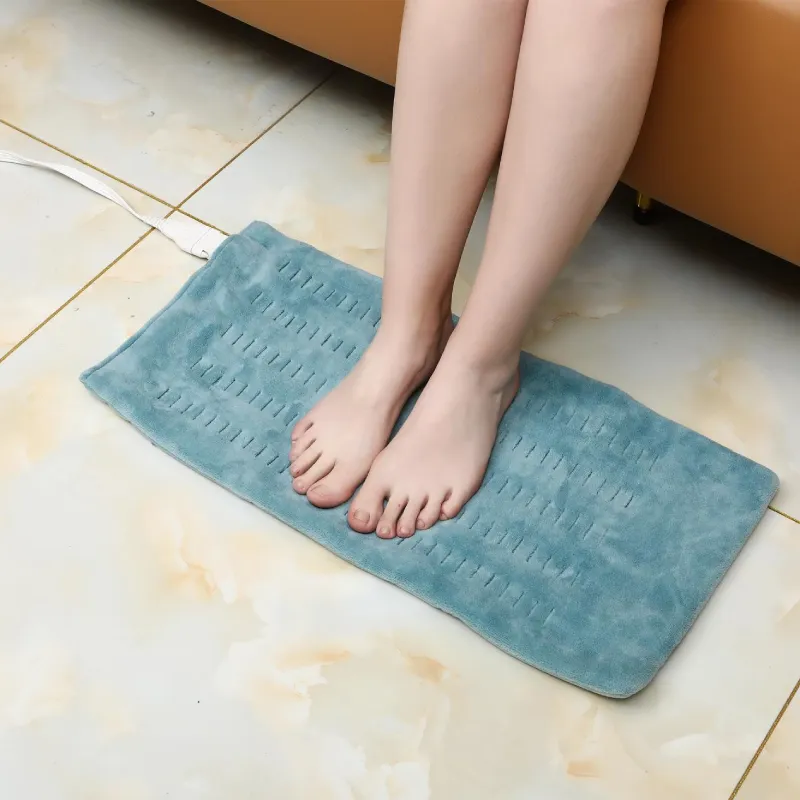
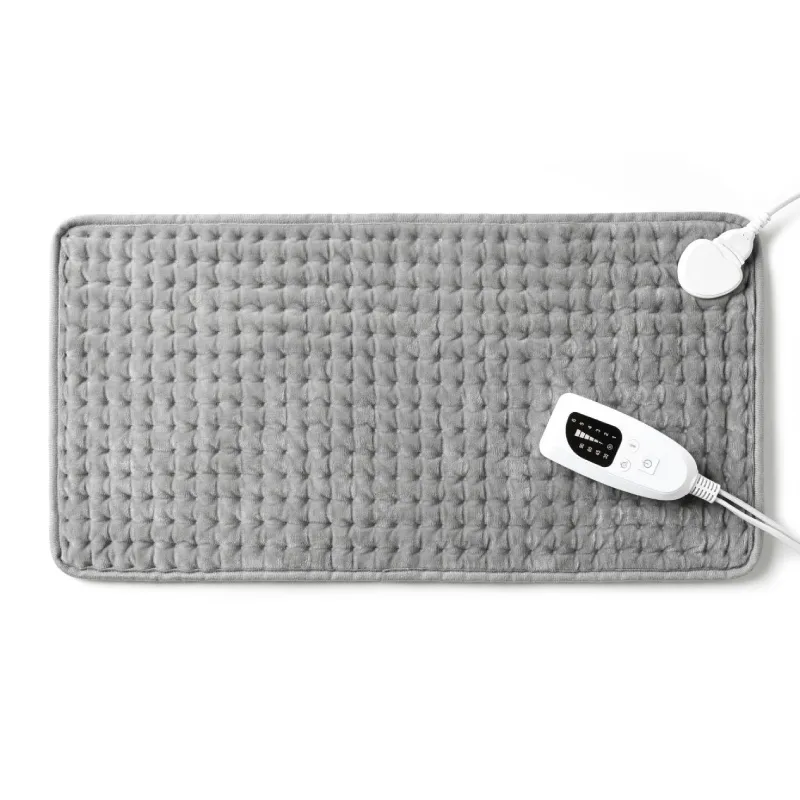
Put simply, a heating pad for feral cats is a specially designed warming surface that provides consistent, safe heat for feral or stray cats in outdoor settings or communal shelters. Unlike typical household heating pads, these units are weather-resistant, low-voltage, energy efficient, and often incorporate safety features that prevent overheating, making them suitable for unsupervised use with animals that cannot control their environment. They represent a modern humane approach to animal care, blending technology with compassion.
Key Features of Heating Pads for Feral Cats
1. Durability and Weatherproofing
Because feral cats often inhabit outdoor or semi-sheltered areas, the heating pads must withstand rain, snow, and dirt. Materials like heavy-duty fabrics and waterproof coatings are common — helping ensure longevity and continuous operation in harsh weather.
2. Energy Efficiency and Safety
Most heating pads use low wattage electricity, often with thermostatic controls to maintain safe, steady warmth. This reduces energy costs for caretakers and limits fire hazard risks—crucial when powering devices left unattended for long periods.
3. Size and Portability
Compact dimensions make the pads easy to install inside traps, shelters, or carrier boxes. Many models are lightweight yet robust, facilitating mobile rescue efforts or repositioning as needed.
4. Ease of Cleaning
Since feral cats often enter and exit these pads repeatedly, sanitation matters. Removable, washable covers or wipe-clean surfaces preserve hygiene, decreasing disease spread.
| Feature | Specification |
|---|---|
| Power Source | 12V DC low voltage |
| Max Surface Temp | 30–35°C (86–95°F) |
| Material | Waterproof oxford fabric, insulated heating element |
| Dimensions | Approx. 12" x 18" |
| Weight | 0.8 - 1.5 lbs |
| Cleaning | Removable cover, machine washable |
Global Applications & Use Cases
Heating pads for feral cats find urgent use in many unexpected places:
- Urban animal rescue groups: City shelters and volunteer groups in North America and Europe use these pads year-round to improve survival rates during cold snaps.
- Post-disaster relief: In regions affected by natural disasters, such as tsunami-stricken Japan or hurricane-hit parts of the US, heating pads protect vulnerable animals when infrastructure is down.
- Remote and rural areas: In sparsely populated regions like parts of Australia or Canada, low-energy heating pads provide a practical solution to feral cat welfare where electricity supply is limited.
Oddly enough, even zoos and wildlife sanctuaries use specialized variations during rehabilitation.
Vendor Comparison: Popular Heating Pad Brands for Feral Cats
| Brand | Power | Waterproof | Warranty | Typical Price |
|---|---|---|---|---|
| CozyCat | 12V DC | Yes | 2 Years | $45 |
| FeralWarmth | 120V AC Adapter | Water-resistant | 3 Years | $60 |
| StraySafe | 12V DC | Yes | 1 Year | $40 |
Advantages and Long-Term Value of Heated Pads
Frankly, the benefits of using specialized heating pads for feral cats go beyond immediate warmth. There's the sustainability aspect: low energy consumption means caretakers don't break the bank or harm the environment excessively. These pads also help reduce sickness and injuries linked to cold exposure, which translates to lower veterinary costs and higher survival rates. On a more emotional note, providing animals with warmth speaks to our shared values of compassion and dignity. It’s a small tech solution with a big heart — something many communities and NGOs swear by.
Future Trends & Innovations in Feral Cat Heating Pads
Advances abound. Manufacturers are exploring solar-powered pads to make remote deployment easier and greener. Smart heating technology, incorporating sensors and automated temperature regulation, promises more efficient use and better safety. Sustainably sourced materials and recycled plastics are entering production — odd though it sounds, a fully eco-conscious feral cat pad is on the horizon. As smart cities evolve, integrating remote monitoring of stray animal shelters might become standard practice.
Challenges and Solutions
Despite the clear benefits, there are challenges. Ensuring consistent power supply in remote or no-electricity zones remains problematic. Balancing durability with cost is another hurdle — affordable pads risk faster wear. Some innovators tackle this by designing modular pads with replaceable components, so failures don’t mean full replacements. Educating volunteers on proper installation and maintenance is critical too; the best technology won’t help if used incorrectly. I noticed that networks of local animal welfare groups often share tips to overcome such challenges with great success.
FAQ: Heating Pad for Feral Cats
- How safe are heating pads for unsupervised feral cats?
- Most feral cat heating pads use low voltage and thermostatic controls to prevent overheating, making them safe for unsupervised use. However, it's essential to choose pads with waterproof and chew-resistant features for added safety.
- Can I use a household heating pad outdoors for feral cats?
- Household heating pads are generally not designed for outdoor use; they lack weatherproofing and safety features required for feral environments, and pose risks of electric shock or damage when wet or dirt-exposed.
- How do I clean and maintain a feral cat heating pad?
- Most pads come with removable, washable covers. Clean the cover regularly and wipe the heating element with a damp cloth. Always unplug the unit before any maintenance to avoid hazards.
- What’s the best power source for remote feral cat shelters?
- Low voltage 12V DC heating pads powered via rechargeable batteries or solar panels offer the best balance of safety, efficiency, and portability in remote locations.
- Are there special heating pads suited for extreme cold weather?
- Yes, some models have enhanced insulation and slightly higher wattage to maintain warmth in very low ambient temperatures. It's important to ensure they still have overheat protection.
Conclusion
Heating pads for feral cats are more than just gadgets—they’re compassionate tools that merge technology with kindness to protect vulnerable animals. They reduce mortality, cut costs, and help communities uphold animal dignity, often at a low environmental footprint. As the world warms and cools unpredictably with climate shifts, these pads will remain crucial in feral cat care strategies. Want to explore appropriate heating solutions for your local community? Visit heating pad for feral cats for a variety of trusted options and helpful guides.
Mini takeaway: In real terms, investing in specialized heating pads is a simple yet effective way to make a measurable difference in feral cat welfare with lasting impact.
References
-
Ultimate Guide to Choosing the Best electric heating pad for bed
Apr.16,2026
-
Ultimate Guide to Choosing the Best Stomach Heat Pad for Pain Relief
Apr.09,2026
-
Comprehensive Guide to Heating Pad for Back Pain Relief and Effective Therapies
Apr.07,2026
-
Experience Ultimate Comfort with a Portable Heated Floor Mat for Cozy Warmth
Apr.04,2026
-
Discover the Benefits of Wrap Heat Packs for Soothing Pain and Warmth
Mar.31,2026
-
Effective Relief with an Electric Heat Pad for Period Pain and Discomfort
Mar.28,2026