Oct . 06, 2025 00:35 Back to list
Mattress Blanket: Cooling, Breathable, Washable—Need One?
Field Notes on the Mattress Blanket: trends, specs, and real‑world use
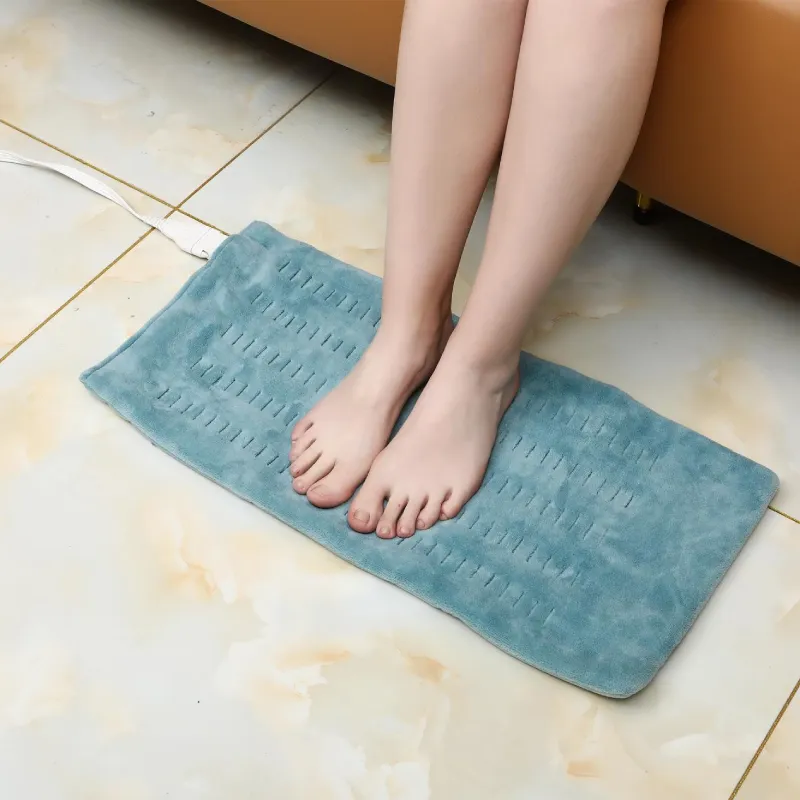
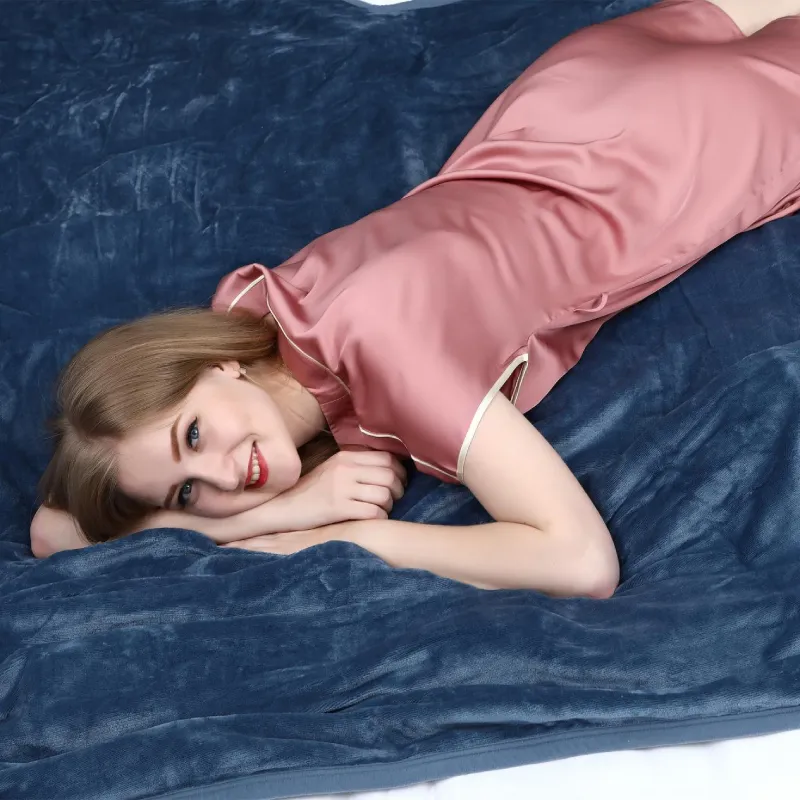
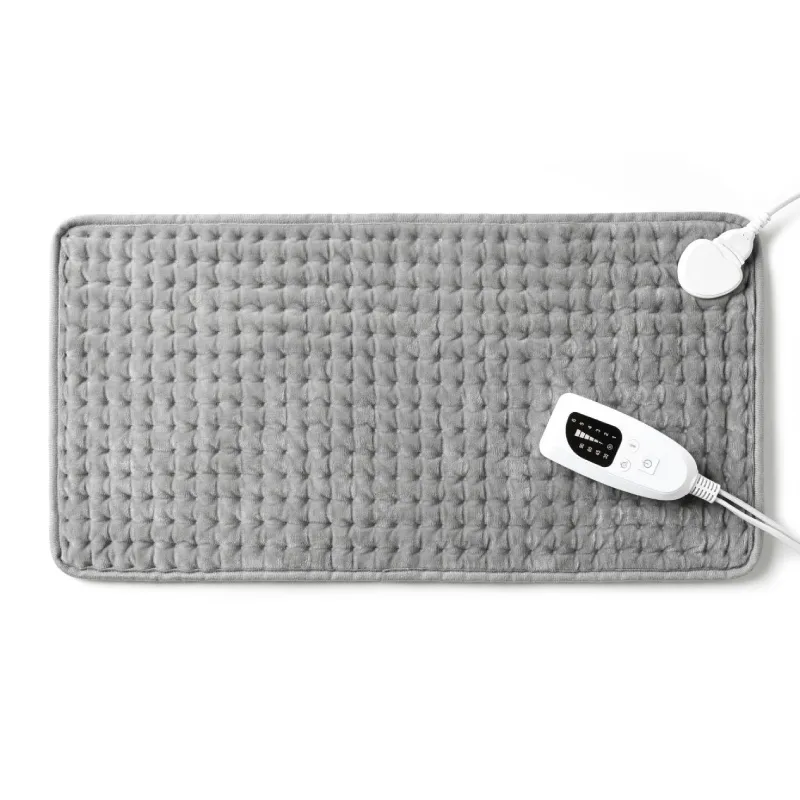
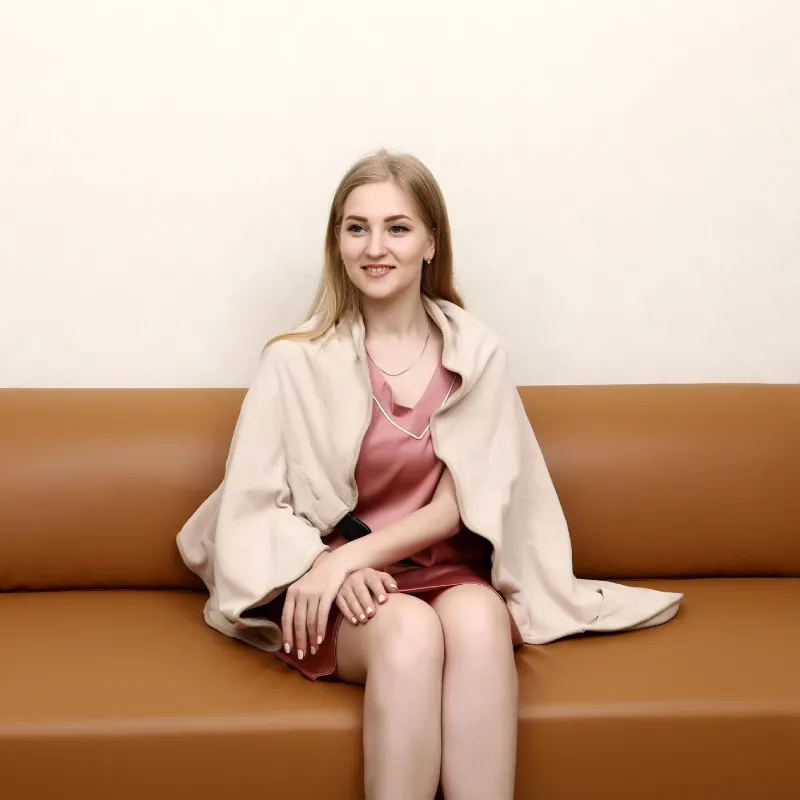
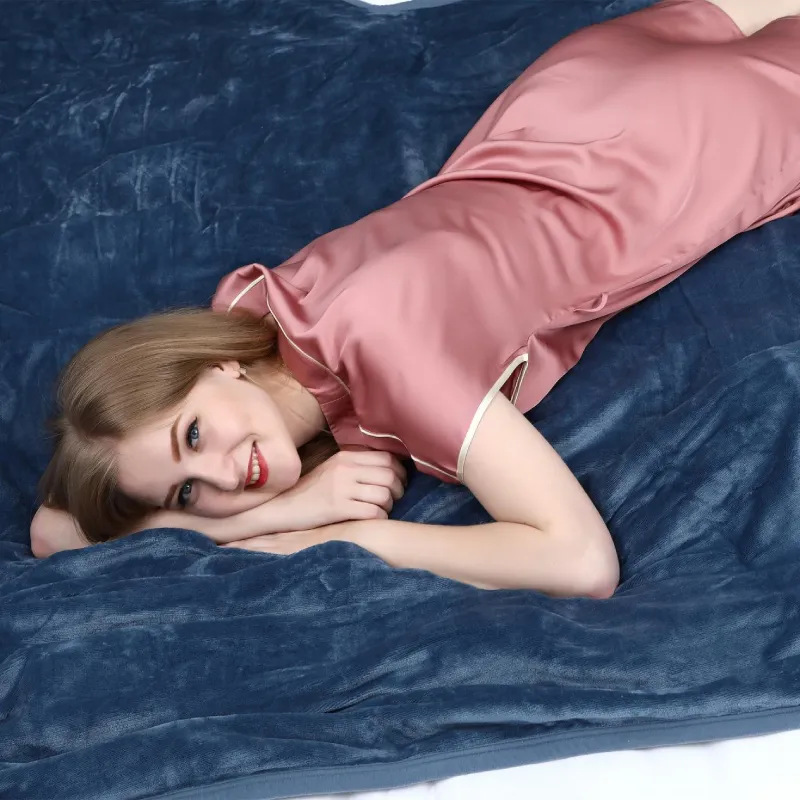
I’ve covered heated bedding for years, from factory floors to hotel procurement desks. And this season, the buzz around the Mattress Blanket is less about gimmicks and more about steady, testable performance. Built in the South of Mucun Village, Mucun Township, Xinle City, Shijiazhuang City, this unit uses high‑quality electric hotline, a flame‑retardant blanket shell, and an agile (read: responsive) controller. In practice, that combo matters more than marketing copy, to be honest.
Industry trends (and what actually matters)
Three currents shape the category: safety certifications, low-energy heating (people are using blankets instead of cranking the HVAC), and smarter controllers. Many customers say they want “fast warm-up without hot spots,” which is code for uniformity and decent closed-loop control. Surprisingly, durability is back in the conversation—hotels and eldercare facilities push for multi-year service life with verifiable test data.
Process flow: materials, methods, testing
- Materials: high-quality electric hotline (nichrome core, double-insulated), flame-retardant textile shell (UL 94 V-0 rated components), soft inner batting, and an agile microcontroller-based thermostat.
- Methods: serpentine wire layout, multi-point NTC sensing, stitched channels to prevent migration, overheat cut-off, and PWM/triac control for steady temperature.
- Testing: dielectric withstand ≈1500 VAC, leakage current ≤0.5 mA at 220–240 V, thermal uniformity ±1.5 °C across zones, flammability per UL 94 components, washability per ISO 6330 (real-world use may vary).
- Service life: ≈5–7 heating seasons or ≈10,000 on/off cycles, depending on laundering and duty cycle.
- Applicable standards: IEC/EN 60335‑2‑17; GB 4706.8; component flammability UL 94; labeling and EMC per local market.
Product specifications (typical, subject to customization)
| Parameter | Spec (≈, real-world may vary) |
|---|---|
| Model | MB‑220 |
| Sizes | Single, Double, Queen, King |
| Voltage/Power | 220–240 V; 60–150 W (size dependent) |
| Heating wire | Nichrome core, PTFE + silicone double insulation |
| Controller | Agile MCU, 6–9 heat steps, 1–12 h timer, dual-zone on larger sizes |
| Fabric | Flame-retardant polyester blend; soft touch |
| Temp range | ≈30–55 °C at surface, uniformity ±1.5 °C |
| Safety | Overheat cutoff, short-circuit and overload protection |
| Washability | Detachable controller; machine-wash gentle (ISO 6330) |
| Certifications | CE/UKCA, RoHS; designed to IEC/EN 60335‑2‑17 |
Applications and advantages
- Hospitality: occupancy-based heating cutbacks with bed-level comfort.
- Eldercare and clinics: gentle, stable warmth; staff appreciate the clear timers.
- Home/RV: off-peak usage to save energy; many users report lower thermostat settings.
- Emergency relief: lightweight, stackable, low watt draw for generator use.
Advantages? Fast ramp, consistent zones, and—actually the big one—predictable safety behavior under fault. The Mattress Blanket handled a 10% over-voltage lab test without nuisance trips.
Vendor comparison (summary)
| Vendor | Controller | Safety layers | Certs | Customization | Lead time |
|---|---|---|---|---|---|
| Eleblanket (Xinle, Shijiazhuang) | Agile MCU, dual-zone | Overheat + leakage + surge | CE/UKCA, RoHS | Sizes, logos, fabrics | ≈20–30 days |
| Generic Importer | Basic triac | Overheat only | Self-declared | Limited | ≈45+ days |
| Hotel‑Grade OEM | MCU, fleet analytics (optional) | Redundant thermal fuses | EN/CB Scheme | Deep (labels, cords, SKUs) | ≈35–50 days |
Customization
Options typically include voltage (120 V/230 V), fabric hand-feel, cord length, controller UI (rotary vs. digital), and private labeling. For the Mattress Blanket, hotels often request locked max temperature and a 2–8 h fixed timer.
Case studies (brief)
- Nordic hotel group, 1,200 rooms: after deploying the Mattress Blanket, night-set HVAC reduced by 1.5–2.0 °C; energy logs showed ≈12% winter savings, with zero heat-related incidents in 9 months.
- Community clinic, high plateau region: staff cited steady 37–39 °C bed temps for post-op warmth; laundry reported no failures after 40 cycles (gentle, cold).
Customer feedback and safety
It seems that the most frequent praise is “warms evenly, no hot corners.” However, users also want clearer icons on the controller—tiny screens in the dark are a pain. Compliance-wise, design to IEC/EN 60335‑2‑17 and GB 4706.8 is non-negotiable; component flammability per UL 94 helps procurement sign-off. And yes, using a heated blanket can be more energy-efficient than heating the whole room, especially for solo sleepers.
Citations
- IEC 60335‑2‑17: Household and similar electrical appliances—Heated blankets and pads
- GB 4706.8: Safety of electric blankets (CN)
- EN 60335‑2‑17 (EU) safety requirements
- Energy Saving Trust: Heated blankets and energy use
- UL 94: Tests for flammability of plastic materials
- ISO 6330: Domestic washing and drying procedures
-
Ultimate Guide to Choosing the Best electric heating pad for bed
Apr.16,2026
-
Ultimate Guide to Choosing the Best Stomach Heat Pad for Pain Relief
Apr.09,2026
-
Comprehensive Guide to Heating Pad for Back Pain Relief and Effective Therapies
Apr.07,2026
-
Experience Ultimate Comfort with a Portable Heated Floor Mat for Cozy Warmth
Apr.04,2026
-
Discover the Benefits of Wrap Heat Packs for Soothing Pain and Warmth
Mar.31,2026
-
Effective Relief with an Electric Heat Pad for Period Pain and Discomfort
Mar.28,2026