Dec . 02, 2025 06:05 Back to list
Blanket Electric Heater – Energy Efficient Heating Solutions for Industry & Aid
Understanding the Blanket Electric Heater: A Global Necessity
In a world increasingly conscious of energy efficiency and comfort, the blanket electric heater takes on a quietly essential role. It’s one of those products you might skim past online, yet it packs a punch when it comes to improving everyday life—whether in remote industrial setups or emergency relief zones. But why does this device matter globally? At its core, a blanket electric heater offers warmth that’s efficient, portable, and adaptable, proving vital for vulnerable populations and industries alike. Understanding it equips businesses and humanitarian organizations to make savvy, life-improving choices.
Today, across continents, from Scandinavian icy industries to post-disaster zones in Southeast Asia, the need for reliable heating solutions that are easy to deploy and energy-smart is growing. According to the International Energy Agency, heating accounts for nearly half of residential energy consumption worldwide, making innovations like electric blanket heaters vital for both sustainability and human comfort.
What Is a Blanket Electric Heater?
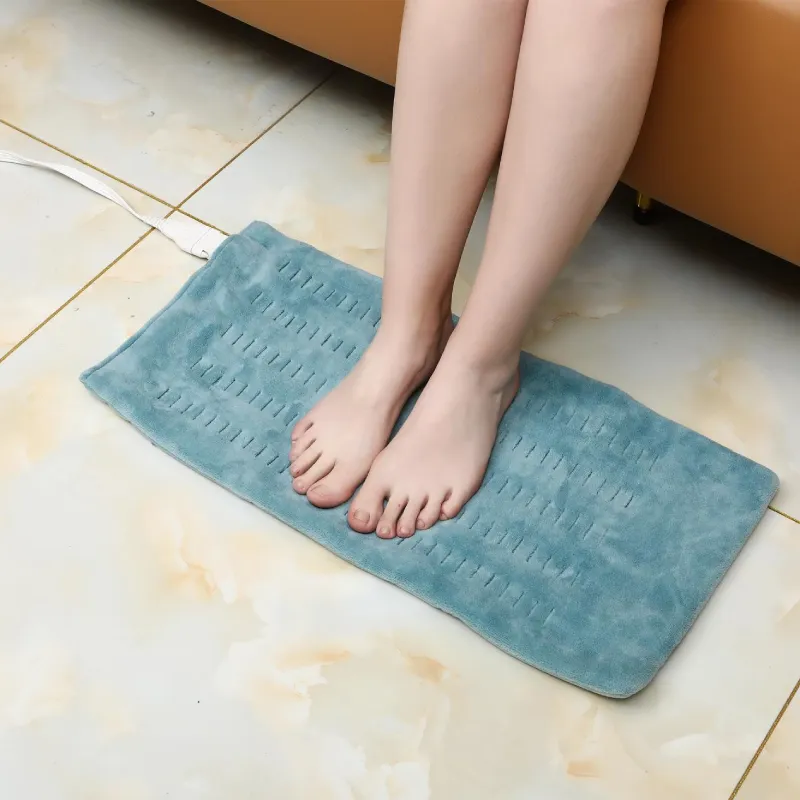
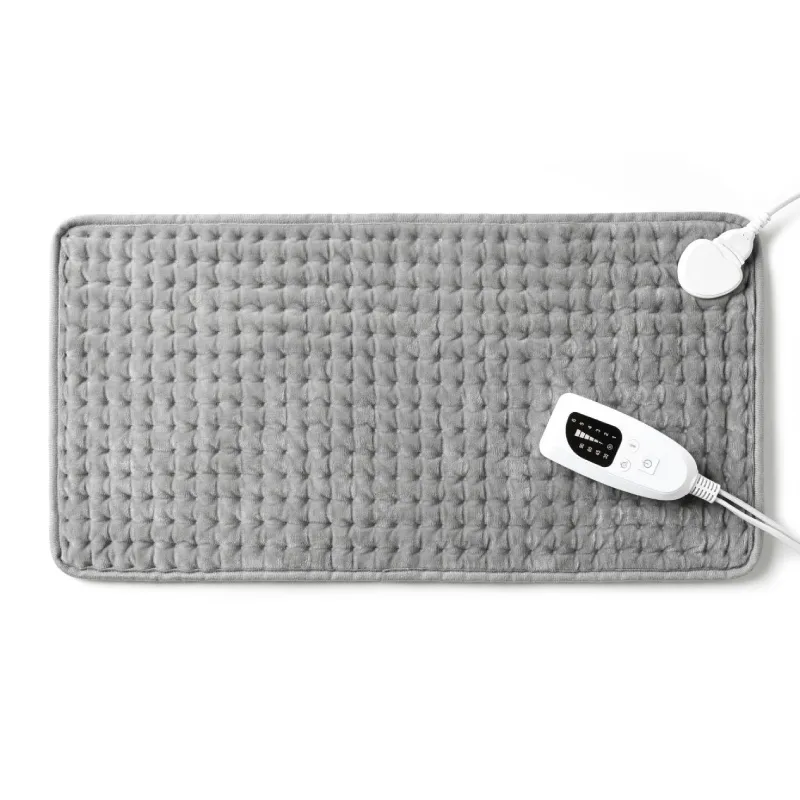
Simply put, a blanket electric heater is an electric heating device designed similarly to a blanket. Unlike traditional space heaters that heat the air around them, these heaters offer direct warmth to surfaces, equipment, or even people by applying gentle, uniform heat distributed over a flexible blanket-like surface. Often made with specialized insulated materials and fine resistance wires, they deliver heat safely and efficiently.
Beyond creature comforts, their applications stretch into industrial arenas where maintaining specific equipment temperatures is crucial for process integrity. Humanitarian aid organizations also leverage them for rapid response in chilly environments, providing warmth when shelter and infrastructure are compromised.
Key Factors of Blanket Electric Heaters
1. Durability and Material Quality
These heaters must withstand repeated use, sometimes in harsh environments. Manufacturers often use waterproof membranes and flame-retardant fabrics to ensure longevity. One engineer I spoke with noted that "the durability of the heating element directly impacts safety and lifespan."
2. Energy Efficiency
Electric blanket heaters consume less power than typical space heaters, making them attractive for areas with limited electricity or where sustainability is a concern. Their direct-contact heating minimizes wasted energy, translating to cost savings and reduced carbon footprints.
3. Scalability and Customization
From small personal warmers to large industrial mats, blanket heaters come in a variety of sizes and wattages. This flexibility means businesses and aid agencies can tailor solutions to precise needs—be it keeping pipelines frost-free or providing heat pads to displaced families.
4. Safety Features
Overheating protection, insulation, and temperature control mechanisms help prevent accidents. This is paramount in sensitive environments or around vulnerable users. The integration of precise thermostats and cut-off switches shows how safety has evolved alongside design.
Product Specifications at a Glance
| Specification | Typical Value | Notes |
|---|---|---|
| Power Consumption | 50-300 Watts | Varies by size and purpose |
| Operating Voltage | 110V / 220V | Adaptable to regional power norms |
| Material | Silicone-coated fiberglass, PVC | Weatherproof and heat resistant |
| Temperature Range | Up to 105°C (221°F) | Safe for most applications |
| Weight | 0.5 - 2 kg | Highly portable |
Mini takeaway: The blanket electric heater balances smart material science with practical power outputs tailored for diverse needs.
Global Vendors Comparison
| Vendor | Product Range | Price Range | Unique Feature |
|---|---|---|---|
| HeatPro Solutions | Personal & Industrial | $35 - $350 | Custom sizing with smart thermostat |
| WarmCover Inc. | Lightweight personal blankets | $20 - $120 | Ultra-thin & foldable design |
| EcoHeat Systems | Industrial mats | $150 - $400 | Solar-compatible options |
Mini takeaway: Vendors differ widely in feature focus—from portable personal comfort to rugged industrial solutions—so choose based on your project scope.
Applications Across the Globe
The blanket electric heater finds diverse uses worldwide. For instance, in Scandinavia’s oil and gas sector, they prevent pipeline freeze-ups during long winters. In humanitarian crises like earthquake aftermaths in Nepal, lightweight electric blankets offer crucial warmth where traditional heating units can't be deployed. Remote research stations in Antarctica rely on them to maintain equipment integrity under extreme cold. Oddly enough, even tea farmers in India use these heaters to protect plants from unexpected frost.
Long-Term Benefits of Blanket Electric Heaters
- Cost efficiency: They reduce heating expenses by delivering warmth exactly where needed.
- Environmental impact: Lower power use and potential integration with renewable energy mean greener operations.
- Safety & reliability: Built-in protections minimize risks common with older heaters.
- Social impact: They restore dignity and comfort in disaster relief, supporting mental and physical health.
Looking Ahead: Future Trends & Innovations
Future blanket electric heaters could blend AI-assisted temperature control, self-cleaning materials, and flexible solar energy harvesting. As more industries prioritize sustainability, expect higher integration with IoT devices to monitor usage remotely and optimize energy consumption. Researchers also explore graphene-based heating layers for ultra-thin, highly efficient blankets, which might shake up the market soon.
Challenges & Solutions
Of course, the path isn’t without hurdles. Power dependency limits use in very remote areas—though solar-compatible designs are mitigating that. Durability can suffer if cheaper materials are used, so buyer vigilance is crucial. Another challenge is ensuring equitable access in poor or crisis-hit regions, which demands partnerships between vendors, NGOs, and governments.
FAQ: Frequently Asked Questions About Blanket Electric Heaters
- Q1: How safe are electric blanket heaters for prolonged use?
- A: Modern designs incorporate thermal cut-off switches and insulated wiring to prevent overheating. Still, it’s critical to follow user guidelines and avoid folding the blanket when powered to reduce fire risks.
- Q2: Can blanket electric heaters operate in wet or damp environments?
- A: Many models come with waterproof coatings and are rated for outdoor or industrial use. However, direct soaking should be avoided unless specifically certified as waterproof.
- Q3: Do these heaters require much electricity to run?
- A: They are quite energy-efficient compared to conventional heaters, typically consuming between 50 to 300 watts, making them suitable for most residential and industrial power supplies.
- Q4: Are customized sizes available for industrial applications?
- A: Yes. Many suppliers offer custom dimensions and power ratings to fit unique equipment or surface heating needs, often with tailored control options.
Conclusion
To sum up, the blanket electric heater isn’t just about comfort; it’s a strategically important tool for industries, humanitarian aid, and everyday users worldwide. With their blend of efficiency, safety, and flexibility, these devices continue to shape how we think about warmth and energy use. For those interested in learning more or finding the right model for your needs, I’d recommend a visit to blanket electric heater specialists—there’s a lot of innovation waiting to be explored.
Stay warm and informed!
References:
-
Ultimate Guide to Choosing the Best electric heating pad for bed
Apr.16,2026
-
Ultimate Guide to Choosing the Best Stomach Heat Pad for Pain Relief
Apr.09,2026
-
Comprehensive Guide to Heating Pad for Back Pain Relief and Effective Therapies
Apr.07,2026
-
Experience Ultimate Comfort with a Portable Heated Floor Mat for Cozy Warmth
Apr.04,2026
-
Discover the Benefits of Wrap Heat Packs for Soothing Pain and Warmth
Mar.31,2026
-
Effective Relief with an Electric Heat Pad for Period Pain and Discomfort
Mar.28,2026