Sep . 12, 2025 10:00 Back to list
Cozy Warm Mattress Blanket for Ultimate Comfort & Protection
Introduction to Advanced Industrial Thermal Management
In the intricate landscape of industrial operations, precise temperature control and energy efficiency are paramount. The challenges of maintaining optimal process temperatures, preventing heat loss, and ensuring equipment longevity often demand innovative solutions. This is where the Mattress Blanket emerges as a critical component, offering a sophisticated approach to thermal insulation and heating for a diverse range of industrial applications. Designed for demanding environments, these blankets provide unparalleled thermal efficiency, adaptability, and durability, directly contributing to operational cost savings and enhanced safety.
The market for advanced industrial insulation solutions is experiencing significant growth, driven by stringent energy efficiency regulations, rising energy costs, and the increasing complexity of industrial processes. Trends indicate a strong shift towards modular, custom-fit insulation systems that can be easily installed, removed, and reused, minimizing downtime and maintenance costs. The global industrial insulation market is projected to grow at a Compound Annual Growth Rate (CAGR) of approximately 4.5% from 2023 to 2030, with thermal blankets and covers constituting a substantial segment due to their versatility and performance in high-temperature applications. Key drivers include the expansion of manufacturing sectors, particularly in petrochemical, chemical processing, and power generation, all of which require robust thermal management strategies to optimize efficiency and reduce their carbon footprint. The adoption of smart insulation solutions, integrating sensors for real-time thermal monitoring, is also gaining traction, enhancing predictive maintenance capabilities and further solidifying the role of solutions like the Mattress Blanket in modern industrial infrastructure.
Technical Specifications and Material Science
The efficacy of a Mattress Blanket lies in its meticulously engineered construction and the advanced materials utilized. Typically comprising multiple layers, these blankets are designed to withstand extreme temperatures, corrosive environments, and mechanical stresses. The core insulation material often consists of high-density mineral wool, fiberglass, ceramic fiber, or aerogel, selected based on the required temperature rating and thermal conductivity. Outer and inner layers are fabricated from high-performance fabrics such as silicone-coated fiberglass, PTFE-coated fiberglass, or aluminized fabrics, providing protection against abrasion, moisture, chemicals, and UV radiation. Fastening mechanisms, crucial for secure fit and ease of removal, often include stainless steel buckles, hook-and-loop fasteners, or specialized lacing wire, all engineered for longevity in industrial settings.
Each component is chosen for specific thermal and mechanical properties. For instance, a typical high-temperature Mattress Blanket designed for exhaust systems might feature a silica fabric outer layer capable of resisting temperatures up to 1000°C, combined with a ceramic fiber insulation core providing a thermal conductivity as low as 0.03 W/m·K at 200°C. Lower temperature applications, such as freeze protection for pipelines, might utilize less aggressive materials but still prioritize weather resistance and durability. The design also incorporates features like integrated heating elements (for heated blankets), temperature sensors, and strategically placed vents to manage moisture or excess heat. Adherence to international standards such as ISO 12241 (Thermal insulation for building equipment and industrial installations) and ANSI/ASHRAE 90.1 (Energy Standard for Buildings Except Low-Rise Residential Buildings) ensures that these products meet rigorous performance and safety benchmarks.

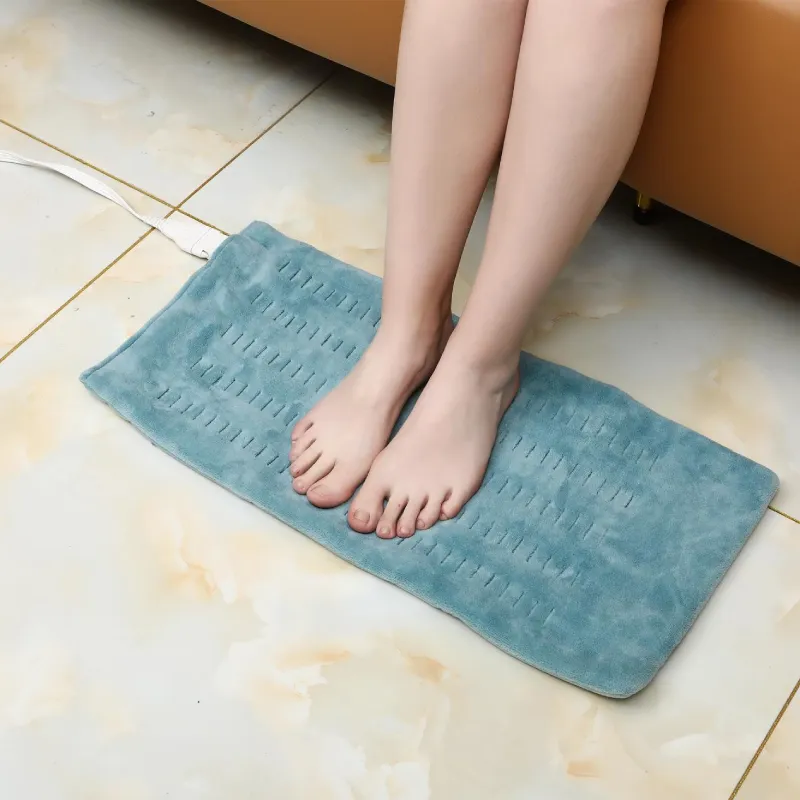
Figure 1: Illustration of a customizable industrial Mattress Blanket application.
Typical Product Specifications for a High-Performance Mattress Blanket
| Parameter | Specification |
|---|---|
| Insulation Material | Ceramic Fiber / High-Density Mineral Wool |
| Outer Layer Material | Silicone-Coated Fiberglass (up to 260°C) / Silica Fabric (up to 1000°C) |
| Inner Layer Material | PTFE-Coated Fiberglass / Aluminized Fiberglass |
| Operating Temperature Range | -50°C to 1000°C (Material Dependent) |
| Thermal Conductivity (@200°C) | 0.03 - 0.05 W/m·K |
| Thickness Range | 25 mm to 150 mm (Customizable) |
| Density of Insulation | 64 - 128 kg/m³ |
| Fastening System | Stainless Steel D-rings, buckles, Velcro®, Lacing Hooks |
| Chemical Resistance | Excellent against most acids, alkalis, and oils (Coating Dependent) |
| Fire Rating | Non-combustible (ASTM E84 Class A, EN 13501-1 A1) |
| Service Life Expectancy | 10-20 years under normal operating conditions |
Precision Manufacturing Process Flow
The manufacturing of a high-quality Mattress Blanket follows a rigorous, multi-stage process designed to ensure precision, durability, and optimal thermal performance. This process integrates advanced material handling with meticulous assembly techniques, adhering strictly to quality control protocols at every step.
- Material Selection and Preparation: This initial stage involves the precise selection of insulation materials (e.g., specific grades of ceramic fiber, mineral wool, or aerogel blankets) and outer/inner fabrics (e.g., silicone-coated fiberglass, PTFE-coated fiberglass). Materials are sourced from certified suppliers, undergoing incoming quality inspection for compliance with technical specifications and relevant standards like ASTM C795 for fibrous insulation.
- Precision Cutting: Utilizing advanced CNC cutting machines, the various fabric layers and insulation materials are cut to exact dimensions based on detailed engineering drawings. This process ensures a perfect fit for complex geometries, minimizing material waste and guaranteeing optimal coverage. Digital templates, often derived from 3D scans of the equipment to be insulated, guide the CNC machinery, providing unparalleled accuracy.
- Assembly and Layering: The cut pieces are then carefully layered. The insulation core is encapsulated between the inner and outer fabric layers. For heated blankets, specialized heating elements (e.g., resistance wire, etched foil) are strategically integrated within the layers to ensure uniform heat distribution and efficient energy transfer. This stage requires expert craftsmanship, often involving specialized stitching or welding techniques, depending on material compatibility and required hermeticity.
- Fastener Integration: Custom fastening systems, such as stainless steel buckles, D-rings, or high-temperature Velcro, are securely attached to the blanket. The method of attachment (e.g., heavy-duty industrial stitching, riveting, or specialized adhesive bonding) is selected to withstand the operational environment, ensuring the blanket remains firmly in place and can be easily installed or removed for maintenance.
- Quality Control and Testing: Each Mattress Blanket undergoes a rigorous series of quality control checks. This includes dimensional verification, integrity checks of seams and fasteners, and thermal performance testing. For heated blankets, electrical continuity and insulation resistance tests (e.g., conforming to IEC 60335 standards) are performed, along with thermal mapping to ensure uniform heating and compliance with specified temperature profiles. Adherence to ISO 9001 certified quality management systems is paramount, guaranteeing product reliability and consistency.
- Finishing and Packaging: Once approved, blankets are carefully folded, packaged, and labeled for dispatch. Custom packaging solutions are often employed to protect the blankets during transit, especially for delicate or specialized designs, ensuring they arrive at the client's site in perfect condition.
This structured process ensures that every Mattress Blanket delivered meets the highest standards of quality and performance, contributing to energy savings and corrosion resistance in typical application scenarios across various industries.
Key Technical Advantages and Operational Benefits
The strategic implementation of a Mattress Blanket system offers a multitude of technical advantages and translates into significant operational benefits for industrial facilities. These benefits extend beyond mere insulation, encompassing safety, efficiency, and maintenance. Key advantages include:
- Superior Energy Efficiency: By drastically reducing heat loss from hot surfaces or preventing heat ingress into cold systems, these blankets lead to substantial energy savings. For example, insulating an uninsulated pipe operating at 200°C can reduce heat loss by over 90%, leading to fuel savings of 10-25% depending on the application and current insulation status. This directly lowers operational costs and reduces the carbon footprint, aligning with global sustainability initiatives.
- Enhanced Corrosion Resistance (CUI Mitigation): Unlike rigid insulation, a removable Mattress Blanket facilitates regular inspection of underlying pipework and equipment, significantly mitigating the risk of Corrosion Under Insulation (CUI). CUI is a major concern in petrochemical and process industries, leading to costly failures. The ability to easily remove and reapply blankets allows for proactive maintenance and early detection of corrosion, extending asset life and improving safety. Specialized coatings on the inner layer can also provide an additional barrier against moisture ingress.
- Precise Temperature Uniformity and Control: For applications requiring specific temperature profiles (e.g., curing processes, viscous fluid transport), heated blankets offer exceptional temperature uniformity across the surface. Integrated sensors and controllers ensure precise temperature maintenance, critical for product quality and process stability, preventing hot or cold spots that can compromise operations.
- Extended Service Life and Durability: Constructed from robust, high-performance materials, these blankets are designed for longevity in harsh industrial environments. They resist UV degradation, chemical exposure, mechanical abrasion, and thermal cycling, ensuring a long operational lifespan of 10-20 years with proper care and maintenance, significantly reducing replacement frequency compared to traditional rigid insulation.
- Improved Personnel Safety: Hot surfaces pose a significant burn risk to personnel. By insulating equipment, the surface temperature is dramatically reduced, bringing it down to safe touch temperatures (e.g., below 60°C per ASTM C1055). This enhances workplace safety and reduces the risk of accidents.
- Reduced Noise Levels: The dense insulation materials used in a Mattress Blanket can also contribute to acoustic dampening, reducing noise levels from vibrating equipment or fluid flow, thus improving the working environment.
- Flexibility and Reusability: Designed for easy installation and removal, these blankets offer unparalleled flexibility. They can be quickly deployed on new installations or removed for maintenance, inspection, or equipment relocation, and then reapplied, often eliminating the need for new insulation purchases, providing excellent return on investment.
These advantages collectively position the Mattress Blanket as an indispensable tool for modern industrial facilities seeking to optimize performance, enhance safety, and achieve sustainable operational excellence.
Application Scenarios Across Target Industries
The versatility and robust design of the Mattress Blanket make it indispensable across a spectrum of demanding industrial sectors. Its ability to provide both thermal insulation and, in some configurations, precise heating, addresses critical operational challenges in diverse environments.
- Petrochemical Industry: In refineries and chemical plants, these blankets are crucial for insulating complex piping networks, valves, flanges, heat exchangers, and turbine components. They prevent heat loss from high-temperature process lines, ensuring consistent reaction temperatures and optimizing energy usage. Their removability is particularly beneficial for routine inspections and maintenance on critical components, where CUI mitigation is a top priority, extending the operational life of assets in corrosive atmospheres.
- Metallurgy and Foundries: The metallurgical sector utilizes Mattress Blanket solutions for insulating ladles, tundishes, furnaces, and casting molds. Here, the primary objective is to maintain precise molten metal temperatures and prevent rapid heat dissipation, which can affect material properties and casting quality. High-temperature resistant blankets ensure energy retention and improve the efficiency of heating cycles, while also protecting workers from extreme radiant heat.
- Water Supply & Drainage Systems: For municipal and industrial water treatment facilities, and in regions prone to freezing, Mattress Blanket products are employed for freeze protection of pipes, pumps, valves, and instrumentation. Heated versions maintain critical fluid temperatures, preventing system blockages and damage due to ice formation, ensuring continuous operation of essential services even in harsh winter conditions. They also insulate against heat gain in cooling lines.
- Power Generation: In power plants, blankets are used on steam turbines, boilers, exhaust systems, and large diameter piping. Their role is to minimize heat loss, improve thermal efficiency, and reduce surface temperatures for personnel safety. The modular design allows for easy access during critical maintenance outages, reducing overhaul times.
- Food & Beverage Processing: Maintaining precise temperatures in tanks, pipelines, and processing equipment is vital for product quality and safety. Mattress Blanket insulation helps control temperatures for heating, cooling, and sterilization processes, minimizing energy consumption and ensuring compliance with hygiene standards.
- Pharmaceutical & Biotechnology: These industries require sterile and controlled environments. Custom-fit blankets help maintain specific temperatures for reactors, fermenters, and piping, crucial for sensitive processes. Their cleanable outer surfaces and non-shedding insulation materials contribute to maintaining sterile conditions, while providing necessary thermal management.
In each of these sectors, the ability of a Mattress Blanket to be custom-engineered to specific equipment geometries and operational requirements underscores its value as a flexible, high-performance thermal management solution.
Vendor Comparison and Market Differentiation
Choosing the right supplier for a Mattress Blanket solution is critical, as quality and customization capabilities vary significantly across manufacturers. While many providers offer industrial insulation, differentiation often comes down to material science expertise, precision engineering, adherence to international standards, and comprehensive customer support. Leading vendors distinguish themselves not merely by offering a product, but by providing a holistic thermal management solution tailored to specific industrial needs.
Key criteria for evaluating vendors include their R&D capabilities, demonstrated experience in similar applications, the range and quality of materials used, their manufacturing certifications (e.g., ISO 9001, CE marking for heated products), and the robustness of their warranty and after-sales service. Companies that invest in advanced material testing, computational fluid dynamics (CFD) for thermal modeling, and rapid prototyping capabilities can offer more optimized and innovative solutions. Furthermore, a strong track record of serving reputable clients and long-term partnerships is often indicative of reliability and product quality.
Comparative Analysis: Standard vs. Premium Mattress Blanket Solutions
| Feature/Criterion | Standard Solution (Generic) | Premium Solution (e.g., Eleblanket) |
|---|---|---|
| Material Quality | Basic fiberglass or low-density mineral wool, standard fabric. | High-density ceramic fiber/aerogel, high-performance coated fabrics (Silicone, PTFE, Silica). |
| Temperature Range | Limited to 250-500°C for continuous use. | Up to 1000°C (or higher with specialized materials), -50°C for cryogenic. |
| Customization | Basic shapes and sizes; limited adaptation. | Full custom engineering based on 3D scans, CAD models, specific process requirements. |
| Fastening System | Simple lacing, basic hooks, lower durability. | Robust stainless steel buckles, D-rings, high-temp Velcro, designed for frequent removal. |
| Certifications | Minimal; sometimes only material data sheets. | ISO 9001, ASTM, ANSI, CE, specific industry standards (e.g., fire ratings). |
| Service Life | 3-7 years, often requiring earlier replacement. | 10-20 years, even with frequent removal/reinstallation. |
| Value Proposition | Lower initial cost, but higher long-term operational and replacement expenses. | Higher initial investment, but significant long-term savings in energy, maintenance, and asset protection. |
By meticulously evaluating these factors, B2B decision-makers can ensure they invest in a Mattress Blanket solution that not only meets immediate thermal management needs but also delivers superior long-term value, reliability, and performance.
Customized Solutions and Engineering Partnership
In industrial environments, off-the-shelf solutions rarely provide optimal performance, especially for complex geometries or unique thermal requirements. The true value of a premium Mattress Blanket supplier lies in its ability to deliver bespoke, engineered solutions. This involves a collaborative process where the vendor acts as an extension of the client's engineering team, translating specific operational challenges into highly effective thermal management systems.
Customization capabilities extend far beyond mere dimensions. It encompasses material selection tailored to specific chemical exposures or temperature extremes, integration of specialized components like viewports, access panels, or sensor ports, and the incorporation of advanced features such as integral heating elements with precise temperature control units. For instance, a client operating in an explosive atmosphere might require blankets certified for ATEX or IECEx hazardous area classification, necessitating specific non-sparking fasteners and anti-static outer fabrics. Conversely, a food processing facility might require FDA-compliant materials and easy-to-clean surfaces.
The engineering process typically begins with a detailed site survey or review of technical drawings (CAD models, P&IDs). Advanced vendors utilize 3D scanning technology to capture precise equipment dimensions, ensuring a perfect fit, even for highly irregular shapes such as complex valve clusters, turbine casings, or intricate piping intersections. This data is then used to design individual blanket sections that interlock seamlessly, minimizing thermal bridging and maximizing insulation efficiency. Computational analysis tools are often employed to predict thermal performance, surface temperatures, and optimize material layers for specific energy saving targets or personnel protection requirements. This level of customized engineering ensures that the Mattress Blanket functions not just as an insulation cover, but as an integral, performance-enhancing component of the client's infrastructure.
Application Case Studies and Customer Experience
The real-world impact of a well-designed Mattress Blanket is best illustrated through successful application case studies, demonstrating tangible benefits and customer satisfaction. These examples highlight the effectiveness of tailored thermal solutions in addressing specific industrial challenges.
Case Study 1: Energy Savings in a Major Chemical Processing Plant
A large chemical processing facility was experiencing significant heat loss from their main reaction vessels and associated piping, operating at 350°C. Initial energy audits revealed that uninsulated and poorly insulated sections accounted for an estimated 18% of the total energy expenditure in that particular process unit. After consulting with a leading provider, custom-engineered Mattress Blanket solutions were installed on critical valves, flanges, and complex pipe elbows that were previously difficult to insulate with rigid materials. Post-installation, the surface temperature of the insulated components dropped from over 300°C to below 50°C, drastically reducing radiant heat loss. An follow-up energy assessment indicated a 15% reduction in fuel consumption for that unit, leading to an estimated annual saving of $250,000 and a payback period of less than 18 months for the insulation investment. The plant manager praised the ease of installation and the ability to quickly remove and reinstall the blankets during routine maintenance, significantly reducing downtime.
Case Study 2: CUI Mitigation and Asset Protection in an Offshore Oil Rig
An offshore oil and gas platform faced persistent issues with Corrosion Under Insulation (CUI) on its process piping, exacerbated by the humid, saline environment. Traditional fixed insulation made routine inspection challenging and often led to extensive, costly repairs. The platform implemented a complete overhaul of its insulation strategy, adopting custom-fit Mattress Blanket solutions for all valves, flanges, and critical pipe sections. The removable nature of the blankets allowed for quarterly visual inspections of the underlying assets without the need for specialized tools or extensive scaffolding. Within two years, the incidence of CUI-related defects decreased by 40%, and the need for reactive maintenance was significantly reduced. The asset integrity team noted that the new insulation system not only protected against CUI but also provided superior thermal performance, contributing to more stable process temperatures and reducing the risk of hydrate formation in gas lines. This proactive approach underscored the long-term value of easily accessible insulation for critical infrastructure.
Customer Feedback
"We have partnered with Eleblanket for over 10 years, and their Mattress Blanket solutions have consistently exceeded our expectations. Their commitment to quality, engineering precision, and rapid lead times has been instrumental in maintaining our operational efficiency and safety standards across multiple facilities." - Director of Operations, Global Petrochemical Company
Trustworthiness, Support, and Logistics
Ensuring client trust and providing robust support are pillars of a professional B2B partnership. A reliable provider of Mattress Blanket solutions offers transparency in processes, clear commitments, and comprehensive post-sales services.
Frequently Asked Questions (FAQ)
- Q: How long does a custom Mattress Blanket solution take to design and manufacture?
- A: Design and manufacturing lead times vary based on complexity and quantity. Typically, after receiving detailed specifications or conducting a site survey, design takes 1-2 weeks. Manufacturing can range from 3-6 weeks for standard custom orders. Expedited services are available for urgent requirements.
- Q: Are these blankets reusable?
- A: Yes, one of the primary advantages of our Mattress Blanket products is their removability and reusability. They are designed with durable fastening systems to withstand repeated installation and removal cycles for maintenance and inspection.
- Q: What is the typical service life?
- A: Under normal operating conditions and with proper maintenance, our high-quality Mattress Blanket solutions are engineered for a service life of 10 to 20 years, significantly reducing lifecycle costs compared to traditional insulation.
- Q: Can these blankets be used in outdoor or washdown environments?
- A: Absolutely. We offer outer jacketing materials such as silicone-coated or PTFE-coated fiberglass that provide excellent resistance to moisture, UV radiation, chemicals, and can withstand industrial washdown procedures.
Lead Time and Fulfillment
We understand the critical nature of project timelines. Our typical lead time for custom Mattress Blanket solutions, from final design approval to shipment, ranges from 4 to 8 weeks, depending on order size, material availability, and design complexity. We maintain robust supply chain management to ensure timely procurement of high-quality raw materials. For urgent projects, we offer expedited manufacturing and shipping options. Our logistics team coordinates global shipments, ensuring products arrive safely and on schedule, adhering to all international shipping regulations.
Warranty and After-Sales Support
Every Mattress Blanket is backed by a comprehensive warranty, typically covering manufacturing defects for a period of 1 to 5 years, depending on the product line and application. Our commitment extends beyond delivery. Our dedicated after-sales support team provides technical assistance, installation guidance, and troubleshooting. We also offer maintenance consultation and spare parts supply to ensure the continuous optimal performance of your thermal insulation system. Clients benefit from direct access to our engineering experts for any questions or modifications required post-installation, solidifying our partnership approach.
Conclusion
The modern industrial landscape demands sophisticated thermal management solutions that offer more than just basic insulation. The Mattress Blanket stands as a testament to advanced engineering, combining superior material science with adaptable design to meet the most stringent requirements across diverse sectors. Its proven ability to deliver substantial energy savings, mitigate corrosion, enhance safety, and extend asset life makes it an indispensable investment for any facility aiming for operational excellence and sustainability. By partnering with a provider committed to quality, customization, and comprehensive support, industries can unlock significant long-term value, ensuring their thermal management systems are not just functional, but truly optimized for peak performance in the years to come.
References
- ISO 12241: Thermal insulation for building equipment and industrial installations — Calculation rules. International Organization for Standardization.
- ANSI/ASHRAE 90.1: Energy Standard for Buildings Except Low-Rise Residential Buildings. ASHRAE.
- ASTM C795: Standard Specification for Thermal Insulation for Use in Contact with Austenitic Stainless Steel. ASTM International.
- Energy Efficiency Industrial Technologies Program. U.S. Department of Energy.
- Global Industrial Insulation Market Report, various market research publications (e.g., Grand View Research, MarketsandMarkets).
-
Ultimate Guide to Choosing the Best electric heating pad for bed
Apr.16,2026
-
Ultimate Guide to Choosing the Best Stomach Heat Pad for Pain Relief
Apr.09,2026
-
Comprehensive Guide to Heating Pad for Back Pain Relief and Effective Therapies
Apr.07,2026
-
Experience Ultimate Comfort with a Portable Heated Floor Mat for Cozy Warmth
Apr.04,2026
-
Discover the Benefits of Wrap Heat Packs for Soothing Pain and Warmth
Mar.31,2026
-
Effective Relief with an Electric Heat Pad for Period Pain and Discomfort
Mar.28,2026