Nov . 29, 2025 16:25 Back to list
Low Wattage Heated Blanket - Energy Efficient Warmth for Home & Industry
Understanding Low Wattage Heated Blankets: Comfort with Efficiency
In a world increasingly conscious about energy consumption and sustainability, low wattage heated blankets have quietly become a staple across homes, industry, and humanitarian efforts alike. But what makes these blankets more than just a cozy accessory? They represent a thoughtful balance between comfort, safety, and energy efficiency — a trifecta that matters globally. Whether you're in chilly northern latitudes or part of an aid organization providing warmth in disaster-hit zones, the ability to stay warm without guzzling power is a big win.
Introduction: Why Global Context Makes These Blankets Important
Energy efficiency isn’t just a buzzword; the International Energy Agency estimates that energy use in residential heating accounts for roughly 20% of global final energy consumption (1). With climate change and rising electricity costs, reducing unnecessary energy expenditure is vital. Enter the low wattage heated blanket — designed to deliver warmth while consuming a fraction of typical power.
Yet, there's a challenge: traditional electric blankets consume significant wattage, potentially stressing fragile power grids or costing users more over time. Additionally, in emergency scenarios — think refugee camps or isolated field hospitals — power availability is limited. Low wattage heated blankets offer solutions where reliability, portability, and energy conservation intersect.
Defining the Low Wattage Heated Blanket
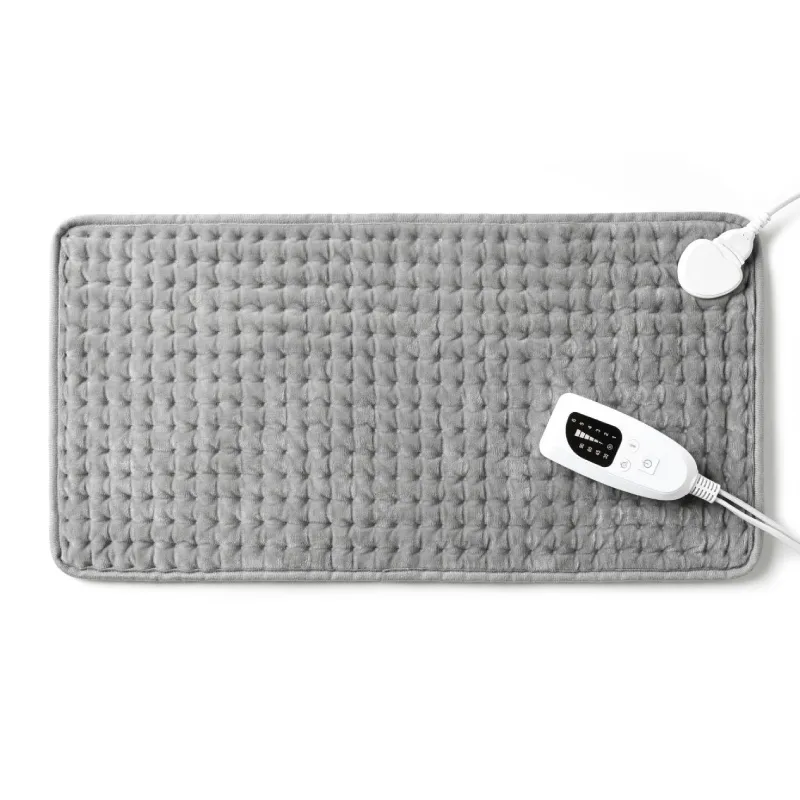
At its simplest, a low wattage heated blanket is an electrically powered warming device engineered to run on relatively low electrical current, typically between 30 to 90 watts. That may sound like a small detail, but it translates to less energy drawn per hour, minimizing electrical load and cost.
Such blankets use optimized heating elements (often carbon fiber or thin wire resistors), smart heat distribution, and improved insulation materials. This technological approach connects neatly with modern demands: reducing carbon footprints while maintaining comfort. In humanitarian contexts, they offer a safe, energy-conscious way to keep vulnerable populations warm when every watt matters.
Key Components and Design Features That Matter
1. Energy Efficiency
Designs focus heavily on delivering sufficient warmth at the lowest possible wattage. Components like low-resistance heating wires and insulation layers help trap heat without draining power.
2. Safety Features
Many come with auto-shutoff timers and temperature sensors to prevent overheating — a crucial must-have to avoid accidents, especially where supervision might be limited.
3. Portability and Power Options
Some models run on small battery packs or can connect to low-voltage power sources, making them ideal for remote or off-grid use.
4. Material Durability and Comfort
Manufacturers typically use soft, breathable fabrics that are easy to clean, combined with durable, weather-resistant heating elements.
5. Scalability & Customization
Whether for individual use or large-scale distribution, the blankets can be customized in size, wattage, and fabric type to suit particular climates or user needs.
Mini takeaway:
These are no ordinary blankets; their design elegantly balances warmth, energy use, safety, and durability — essential for versatile real-world deployment.
How Low Wattage Heated Blankets Help Around the World
Oddly enough, these blankets serve a surprisingly diverse group of users:
- Disaster Relief Agencies: In places where power lines are down or generators are scarce, peace-of-mind warmth is invaluable.
- Healthcare Facilities: Hospitals in low-resource settings deploy low wattage heated pads to maintain patient comfort without risking energy overload.
- Residential Use: Eco-conscious homeowners use them for overnight warmth without spiking electricity bills.
- Remote Industrial Workers: Think oil rigs or Arctic scientific stations where power is limited and body warmth is mission-critical.
For example, after certain natural disasters, field aid workers distribute these blankets to displaced families. Their low power draw means multiple units can run on one generator without risk of overload — an unglamorous but life-saving fact.
Advantages That Add Up Over Time
Having worked closely with engineers and users, I’ve noticed how these blankets deliver beyond mere comfort:
- Cost Savings: Less energy equals smaller bills, a huge plus both for families and NGOs operating on tight budgets.
- Enhanced Safety: Fewer heating-related accidents thanks to intelligent controls.
- Reduced Carbon Footprint: Aligns with global goals such as the UN’s Sustainable Development Goals (2).
- Dignity and Wellbeing: Warmth isn’t just physical — it impacts mood and mental health, particularly in vulnerable persons.
So yes, the emotional payoffs are real too — users often describe a comforting sense of security and calm that a warm blanket can provide.
Looking Forward: Trends and Innovative Developments
The future of low wattage heated blankets is tied tightly to sustainability and smart tech innovations:
- Integration with Green Energy: Pairing these blankets with solar-powered systems for wholly renewable heating.
- Smart Connectivity: Wi-Fi enabled blankets that adjust temperature automatically based on room conditions — or even user preferences logged via apps.
- Advanced Materials: New fabrics that retain heat better with lighter weight, and flexible heating elements for improved comfort.
- Regulatory Push: Emerging international standards aimed at improving energy efficiency in household devices (3).
Challenges and How the Industry Is Tackling Them
No technology is perfect — low wattage heated blankets have some limitations. For instance, lower wattage can mean slower heating times, and in extremely cold environments, they may not reach cozy temps fast enough.
To overcome this, manufacturers employ multi-zone heating or hybrid blankets combining low wattage elements with efficient insulation. Also, educating users on correct blanket care and layering strategies helps maximize the warmth-per-watt ratio.
Product Specification Table
| Feature | Typical Range | Remarks |
|---|---|---|
| Power Consumption | 30W - 90W | Low energy draw reduces costs and load |
| Materials | Polyester/cotton blends with carbon heating wires | Comfort and durability combined |
| Safety Features | Auto shutoff, temperature sensors | Prevents overheating and hazards |
| Power Source | AC mains, battery packs | Adaptable for off-grid usage |
| Size Options | Single, twin, queen, custom | Scalable for individual or group use |
Vendor Comparison
| Vendor | Price Range (USD) | Warranty | Unique Features | Best For |
|---|---|---|---|---|
| EleBlanket | $50 - $120 | 2 Years | Smart auto-temp sensors, eco materials | Residential & humanitarian use |
| WarmTech | $60 - $150 | 1 Year | Battery options, rapid heating | Outdoor and industrial settings |
| EcoSnug | $40 - $110 | 3 Years | Organic fabrics, long warranty | Eco-conscious consumers |
Frequently Asked Questions About Low Wattage Heated Blankets
Q1: How much can I expect to save on energy costs using a low wattage heated blanket?
A1: Quite a bit, actually. Low wattage heated blankets typically consume about 30-90 watts compared to standard models that can use over 100 watts. Over a typical 7-hour night, that can translate to 20-40% cost savings on your electricity bill, depending on local rates and usage patterns.
Q2: Are low wattage heated blankets safe to use overnight?
A2: Yes, most modern low wattage heated blankets come with safety features like automatic shutoff timers and temperature sensors. However, always follow the manufacturer’s guidelines and avoid use if the blanket is damaged.
Q3: Can these blankets be used in off-grid or remote areas?
A3: Absolutely. Many models are designed to work with battery packs or low-voltage sources, ideal for camping, remote medical units, or disaster relief where mains electricity isn’t available.
Q4: How durable are these blankets in harsh conditions?
A4: Durability varies by manufacturer, but those built for industrial or humanitarian use employ reinforced heating elements and weather-resistant fabrics to withstand wear and tear.
Q5: Where can I find customizable low wattage heated blankets?
A5: Vendors like EleBlanket offer customizable solutions ranging in size and wattage tailored to your needs, including bulk options for organizations.
Wrapping it Up: Why Low Wattage Heated Blankets Matter
In the grand scheme, low wattage heated blankets may seem like a small piece of the puzzle — but they embody an intelligent approach to combining comfort with conscious energy use. From eco-friendly homes to disaster zones, they offer a practical and compassionate warming solution. If you want to explore the latest models and customization options, I encourage you to visit our website to see how this technology could work for you.
References
- International Energy Agency (IEA), “Energy Efficiency 2023,” iea.org
- United Nations Sustainable Development Goals, sdgs.un.org
- ISO Energy Efficiency Standards, iso.org
-
Ultimate Guide to Choosing the Best electric heating pad for bed
Apr.16,2026
-
Ultimate Guide to Choosing the Best Stomach Heat Pad for Pain Relief
Apr.09,2026
-
Comprehensive Guide to Heating Pad for Back Pain Relief and Effective Therapies
Apr.07,2026
-
Experience Ultimate Comfort with a Portable Heated Floor Mat for Cozy Warmth
Apr.04,2026
-
Discover the Benefits of Wrap Heat Packs for Soothing Pain and Warmth
Mar.31,2026
-
Effective Relief with an Electric Heat Pad for Period Pain and Discomfort
Mar.28,2026