Dec . 08, 2025 03:50 Back to list
A Comprehensive Guide to Electric Blanket Pads: Comfort, Safety, and Innovation
Understanding the Electric Blanket Pad: Comfort Meets Innovation
When you think about an electric blanket pad, odds are you picture those cozy rectangular mats you lay on your bed to keep warm during chilly nights. But the term actually carries a bit more weight—both practically and globally. From household comfort to specialized industrial and humanitarian uses, electric blanket pads are quietly revolutionizing how we approach warmth and energy efficiency. Their global relevance extends beyond mere comfort; they touch on energy consumption, safety, and even emergency aid in various settings. In this article, we’ll explore what electric blanket pads really are, why they matter, and how their evolving design influences both consumers and industries worldwide.
The Growing Global Importance of Electric Blanket Pads
Oddly enough, while electric blanket pads may seem like mere comfort accessories, they intersect with larger global challenges such as energy efficiency and sustainable heating—a concern the International Energy Agency (IEA) states accounts for nearly 50% of global energy use in buildings (IEA). With rising energy costs and environmental impact, solutions that can maintain warmth efficiently without massive energy draw are critical. Electric blanket pads, which localize heating and reduce the need to warm an entire room, offer a practical, energy-conscious approach. Moreover, in colder and resource-constrained regions, these pads become lifesavers, offering regulated warmth to vulnerable populations.
Takeaway: Electric blanket pads are small yet vital tools that contribute to sustainable heating off the grid and on it, especially where energy use must be conscious and controlled.
What Exactly is an Electric Blanket Pad?
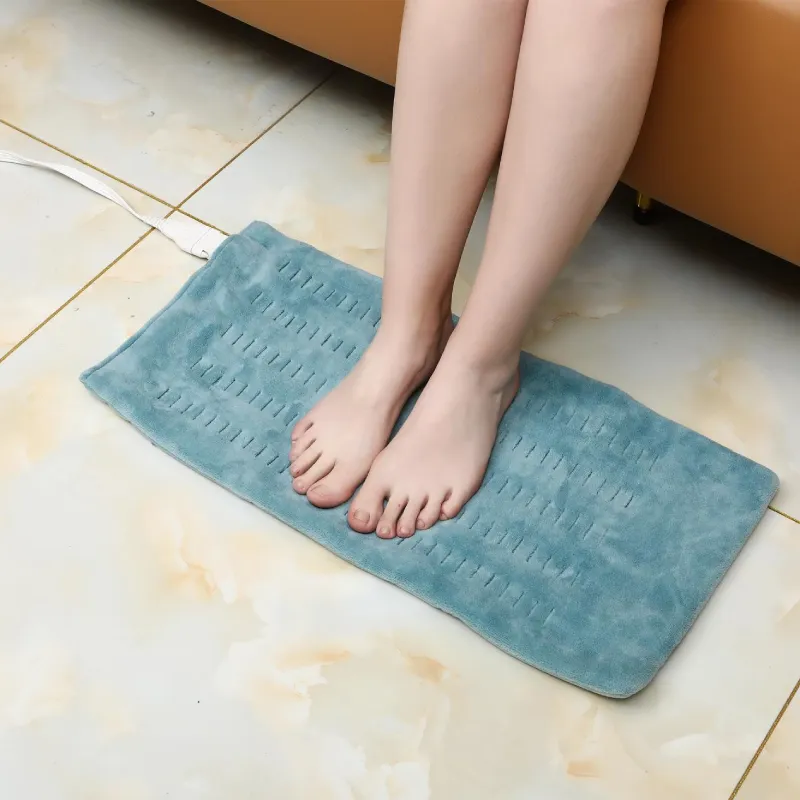
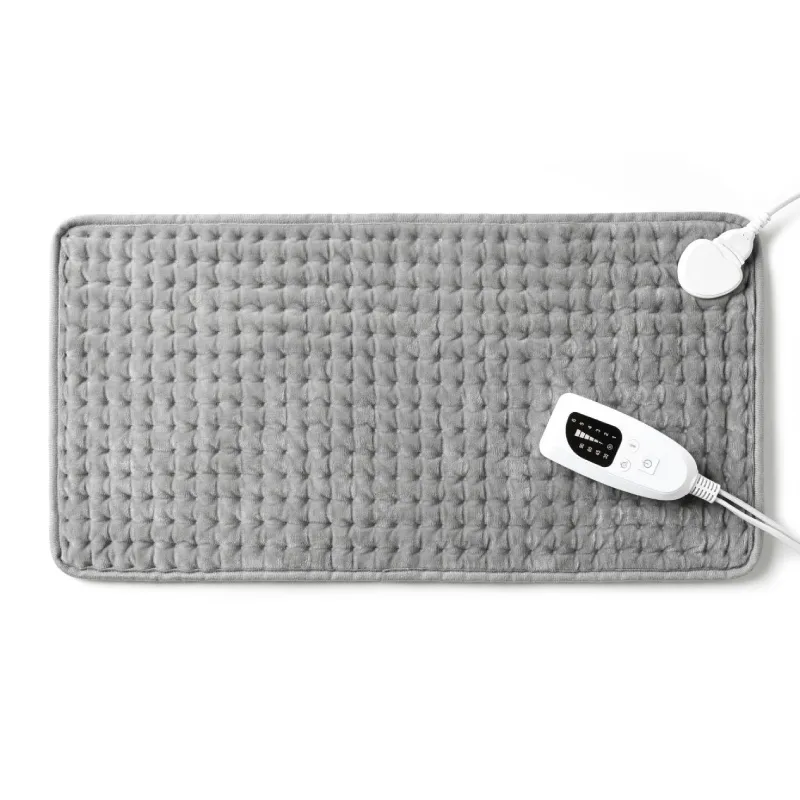
Simply put, an electric blanket pad is a flat, flexible heating device that you place between bedding layers or under a mattress to provide controlled warmth. Unlike traditional electric blankets that cover the body, these pads generally serve as heat sources beneath or on flat surfaces. They consist of insulated electric wires or carbon fiber heating elements woven or embedded within soft, heat-resistant materials. From a modern perspective, they’re not just comfort devices but components in smart home systems and industrial equipment warming solutions.
In more technical or humanitarian contexts, electric blanket pads are deployed to maintain critical surface temperatures for medical, electronic, or relief applications where ambient environmental control is limited.
Takeaway: At the heart, electric blanket pads are all about targeted, efficient warmth — whether for personal comfort or technical and relief needs.
Key Factors That Define Electric Blanket Pads
1. Durability and Material Quality
It’s easy to overlook, but the right materials — usually fire-retardant and waterproof fabrics combined with insulated wiring — profoundly affect safety and longevity. Premium pads withstand daily wear and moisture, making them suitable even for rugged environments.
2. Safety Features
Many modern pads include automatic shut-off timers, overheat protection, and secure electrical insulation. These reduce risks of fire or electric shocks — a must, frankly, when customers rely on these devices overnight or in remote areas.
3. Energy Efficiency
Efficient power consumption means heating the user or surface without wasting electricity. Pads with low voltage operation (e.g., 12V or 24V) are growing in popularity, especially in mobile or off-grid use cases.
4. Customization & Size Variants
From small single-seat pads for cars to king-sized mattress pads, buyers require varying dimensions that fit their specific scenarios, which manufacturers now address through modular designs.
5. Control Options
Basic models have manual switches, while advanced pads integrate with Bluetooth apps or home automation for temperature schedules and remote control.
| Feature | Standard Range | Notes |
|---|---|---|
| Voltage | 12V - 120V (AC/DC) | Low voltage preferred for safety |
| Size | 30x50 cm to 150x200 cm | Various sizes for different uses |
| Max Temperature | 30°C - 50°C (86°F - 122°F) | Designed for steady, safe warmth |
| Material | Polyester, cotton blends, waterproof membranes | Enhances comfort and longevity |
| Controls | Manual switches, digital thermostats, app-controlled | Increasingly smart-enabled |
Real-World Applications Around the Globe
Electric blanket pads find their places in many settings.
- Household Use: The most obvious domain. People use electric blanket pad units for personal warmth, helping those in cold climates or with health conditions such as arthritis.
- Medical Settings: Pads warm beds in clinics or ambulances where ambient heating is insufficient, helping patients maintain body temperature post-surgery or during recovery.
- Humanitarian Relief: Organizations deploy these in refugee camps or post-disaster shelters to provide warmth where centralized heating is impossible.
- Automotive & Outdoor: Heated seats or sleeping mats in cold regions improve comfort for drivers, campers, or workers in remote areas.
Countries with colder climates like Canada, Russia, and Nordic nations show higher adoption, but low-energy models also serve warmer areas during rainy or damp seasons.
Takeaway: The versatility of electric blanket pads is remarkable — from everyday comfort to emergency resilience.
Advantages & Long-Term Impact
The benefits are numerous:
- Energy Savings: Targeting warmth means rooms don’t need to be heated fully.
- Safety: Improved tech reduces fire risks that plagued early heating pads.
- Social & Emotional: Providing dignity and comfort, especially in vulnerable communities, is priceless.
- Durability: Quality materials ensure years of reliable use, making them cost-effective over their life cycle.
Besides logical reasons, the emotional impact — knowing you can provide warmth during harsh winters or emergencies — is a huge trust builder for vendors and NGOs alike.
Looking Ahead: Innovations and Trends
Upcoming advancements in electric blanket pads include integration with renewable energy sources (solar-charged battery packs), IoT connectivity, and eco-friendly manufacturing. Carbon-fiber heating elements, for example, provide uniform warmth and use less power. Smart sensors adapt to user preferences and ambient conditions, pushing efficiency up another notch. Regulatory bodies like ISO have been setting standards to ensure safety and sustainability improve together (ISO).
Common Challenges & How They're Being Tackled
Despite solid advances, hurdles remain:
- Power Source Dependence: In areas without stable electricity, battery life and recharging can limit usage; solar and low-voltage designs offer solutions.
- Durability vs. Cost: Balancing affordable pricing with long-lasting materials can be tricky—innovative textiles help here.
- Consumer Awareness: Some still worry about safety or don’t understand energy benefits; better education and certifications combat mistrust.
Comparison Table: Leading Electric Blanket Pad Vendors
| Vendor | Primary Market | Safety Features | Smart Control | Price Range (USD) |
|---|---|---|---|---|
| WarmNest Co. | Residential & Medical | Overheat protection, auto shut-off | App & voice control | $60–150 |
| FieldHeat Solutions | Humanitarian & Outdoor | Low voltage, waterproof | Manual thermostat | $40–120 |
| EcoHeat Tech | Smart Home & Green Energy | Fireproof materials, timed shut-off | Full IoT integration | $80–200 |
FAQ: Electric Blanket Pad Essentials
Q1: How safe are electric blanket pads for daily use?
A1: Modern electric blanket pads come equipped with multiple safety features such as automatic shut-off, overheat protection, and insulated wiring. When used according to manufacturer guidelines, they are very safe, even for overnight use. It’s crucial to check certifications and avoid older, unregulated models.
Q2: Can electric blanket pads reduce overall heating bills?
A2: Yes, by providing localized warmth, these pads allow users to lower ambient heating settings, reducing energy consumption. In real terms, this can translate to noticeable savings, especially in regions with long, cold winters.
Q3: Are electric blanket pads suitable for outdoor or emergency use?
A3: Absolutely, especially low-voltage and waterproof varieties designed for rough conditions. Many humanitarian agencies rely on them in disaster relief because they are portable and efficient.
Q4: What maintenance is required to keep an electric blanket pad in good shape?
A4: Regular inspection for damage to wires or fabric is advised. Most pads allow gentle hand washing or spot cleaning — always follow specific care instructions. Avoid folding tightly to prevent wire breakage.
Q5: How can I choose the best electric blanket pad for my needs?
A5: Consider where you’ll use it (home, outdoors), size requirements, safety certifications, and whether you want smart controls. It often pays to invest a little more for durability and features that suit your lifestyle.
Wrapping It Up: Why Electric Blanket Pads Matter
All in all, an electric blanket pad is more than just a “nice to have.” It’s a practical, energy-smart, and increasingly sophisticated solution that touches industry, comfort, and humanitarian efforts worldwide. Its blend of technology and warmth makes it a surprisingly vital part of daily life for many. If you’re interested in exploring these innovative comforts or outfitting a project with dependable heating, I definitely recommend you check out electric blanket pad options and see what’s right for you.
Stay warm, stay safe, and remember — sometimes the smallest gadgets make the biggest difference.
References:
-
Ultimate Guide to Choosing the Best electric heating pad for bed
Apr.16,2026
-
Ultimate Guide to Choosing the Best Stomach Heat Pad for Pain Relief
Apr.09,2026
-
Comprehensive Guide to Heating Pad for Back Pain Relief and Effective Therapies
Apr.07,2026
-
Experience Ultimate Comfort with a Portable Heated Floor Mat for Cozy Warmth
Apr.04,2026
-
Discover the Benefits of Wrap Heat Packs for Soothing Pain and Warmth
Mar.31,2026
-
Effective Relief with an Electric Heat Pad for Period Pain and Discomfort
Mar.28,2026