Dec . 02, 2025 01:50 Back to list
Heated Body Wrap Blanket: Essential Warmth for Health & Safety Worldwide
Heated Body Wrap Blanket: Warming Lives Across the Globe
When you think about a heated body wrap blanket, it might just conjure cozy winter nights at home. But this simple technology holds a world of significance far beyond comfort — touching industries, humanitarian aid, and even global health initiatives. Understanding these blankets unlocks insights into how we tackle cold exposure, improve patient care, and save lives in some of the harshest environments on Earth.
Global and Industry Context: Why Heated Body Wrap Blankets Matter
Globally, millions face cold-related health risks every year—whether due to extreme climates, emergencies, or chronic conditions. According to the World Health Organization, hypothermia and related complications contribute to significant mortality, especially among vulnerable populations. The demand for effective, portable warming solutions has surged in sectors spanning healthcare, disaster relief, outdoor work, and even luxury spas. Heated body wrap blankets provide a controllable, energy-efficient way to maintain body temperature, reducing hypothermia risk and easing muscular tension.
Oddly enough, while electric blankets have been common household items for decades, their adaptation into durable, industrial-grade body wraps signals an innovative shift. This is especially critical in age-old problems like treating cold stress in remote workers or stabilizing patients in post-disaster zones.
What Is a Heated Body Wrap Blanket?
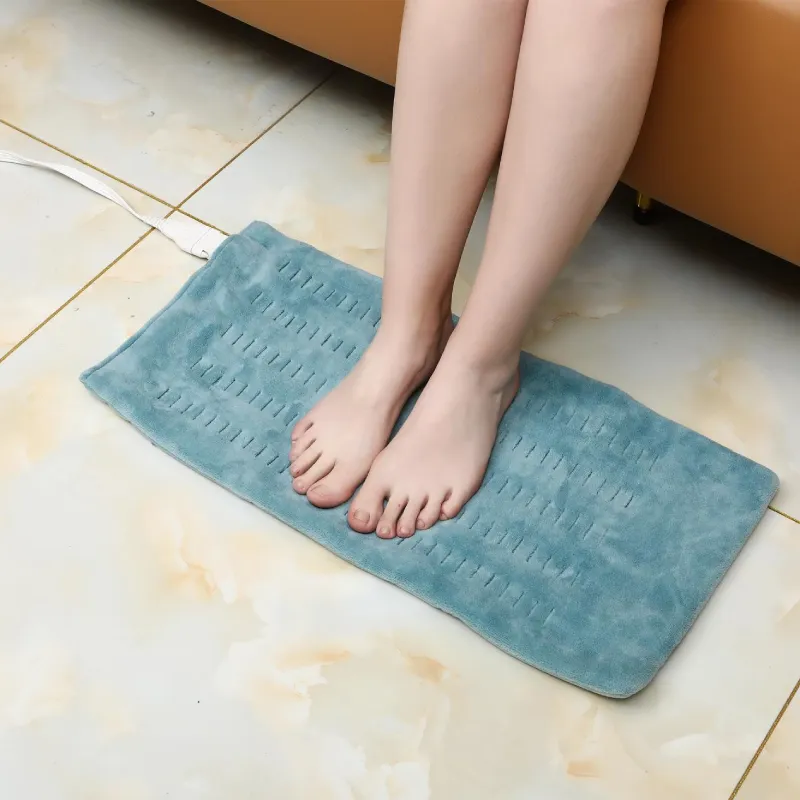
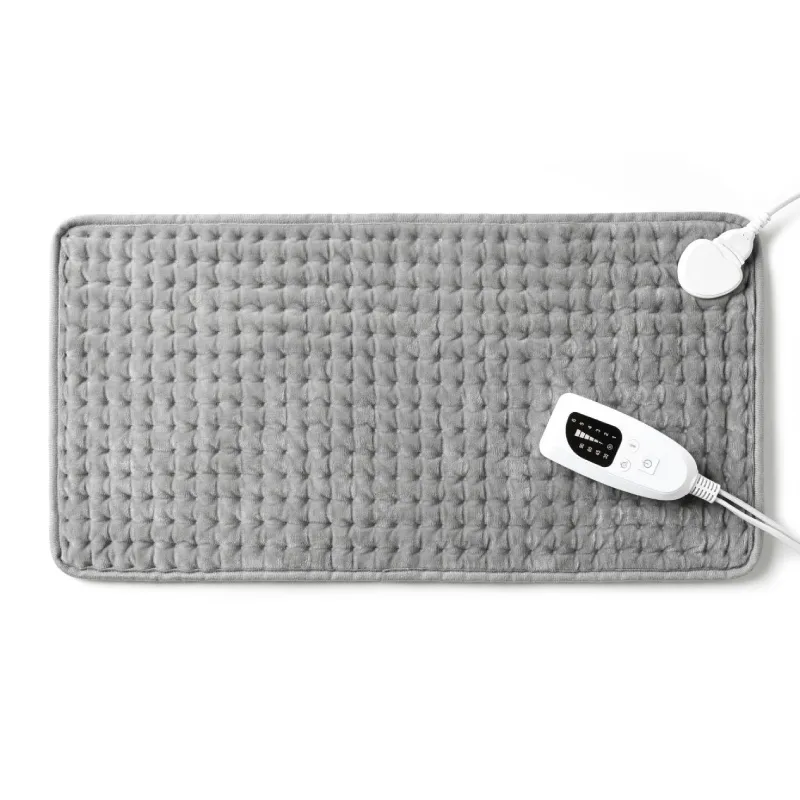
Simply put, a heated body wrap blanket is a specialized textile designed to envelop the body or parts of it, integrating heating elements safely embedded within the fabric layers. Unlike regular electric blankets, these wraps are often portable, waterproof, and adjustable, suitable for medical settings, outdoor activities, or emergency relief.
They connect modern textile technology with practical needs for warming, combining insulated layers, temperature control systems, and energy sources (typically rechargeable batteries or mains power). Their design considers patient comfort, flexibility, and often, hygiene—factors crucial in healthcare or humanitarian sectors. This fusion of technology and textile science is what sets them apart as indispensable warming tools.
Key Factors That Define Heated Body Wrap Blankets
1. Durability & Material Quality
These blankets have to withstand rugged use, sometimes exposed to moisture, abrasion, or chemicals. High-grade polyester or nylon weaves with reinforced seams are common. Plus, the heating elements must endure bending and stretching without damage.
2. Temperature Control & Safety
Precise thermostatic controls keep heat steady, preventing burns or overheating. Most models include automatic shut-offs and overheat protection, essential in medical environments or long-term wear.
3. Portability and Energy Efficiency
Battery-powered wraps offer mobility — a lifeline in disaster zones without electricity. Innovations focus on lithium-ion battery packs that balance size, power, and runtime.
4. Comfort and Fit
Ergonomics matter. Adjustable straps, contoured shapes, and soft fabrics affect compliance and therapeutic value, especially when worn for extended times.
5. Hygiene and Maintenance
Medical-grade wraps often feature removable covers for washing or antimicrobial coatings, catering to infection control protocols.
Heated Body Wrap Blanket Product Specs
| Feature | Standard Specification | Typical Range |
|---|---|---|
| Heating Elements | Carbon fiber wires | Carbon fiber/foil or resistive wire |
| Temperature Range | 30°C–55°C (86°F–131°F) | 25°C–60°C depending on model |
| Power Source | Rechargeable Li-ion battery or AC adapter | Battery life: 4–10 hours |
| Weight | Approx. 1.2–1.8 kg | Varies with size and insulation |
| Water Resistance | IPX4 minimum | Waterproof and sweat-resistant options |
Global Applications & Use Cases
In real terms, the heated body wrap blanket finds use around the world wherever controlled warmth is a necessity. Hospitals depend on them post-surgery or during chronic illness management, particularly in cold climates like Scandinavia or Canada. Emergency responders rely on rapid deployment of these wraps during disaster relief, for example in the aftermath of earthquakes in Nepal or hurricanes in the Caribbean, where hypothermia risk rises sharply in displaced populations.
Industrial zones in Siberia or Alaska equip outdoor workers with these to maintain muscle warmth and prevent cold stress injuries. NGOs use them in refugee camps to provide dignity and comfort in makeshift shelters with poor heating. Even the sports industry embraces heated wraps for therapy and recovery.
Vendor Comparison Table
| Vendor | Battery Life (Hours) | Water Resistance Rating | Adjustable Temp Settings | Price Range ($) |
|---|---|---|---|---|
| WarmWrap Co. | 8 | IPX5 | 3 levels | 150–220 |
| HeatGear Ltd. | 10 | IPX4 | 5 levels | 200–280 |
| ThermaWrap | 6 | IPX6 | 2 levels | 130–180 |
Advantages & Long-Term Value of Heated Body Wrap Blankets
Benefits aren’t just measured in degrees Celsius, though that’s crucial. There’s a deep social impact here — reducing hospital stays by stabilizing body temperature early, improving morale in emergency shelters, and preventing cold-induced injuries in workers. Plus, many of these blankets are reusable and energy-efficient, contributing to sustainability over disposable warming options.
Emotionally, the comfort and security a warm blanket offers cannot be overestimated. It’s a symbol of care and hope in crises. From a logical standpoint, the ROI for hospitals and NGOs is significant — fewer complications, less medication, and improved patient compliance.
Future Trends and Innovations
Looking ahead, manufacturers are experimenting with graphene-based heating layers for faster, more even heat distribution. Solar charging and integration with wearable tech for health monitoring are gaining traction—so your heated body wrap might soon alert clinicians if something's amiss.
Sustainability is a buzzword, sure, but here it shapes product design profoundly. Recyclable components, biodegradable textiles, and energy-harvesting batteries are emerging. Digital transformation means these wraps could become smart medical devices interfacing with electronic health records or remote caregivers.
Challenges & Solutions
Despite progress, some challenges remain. Battery life and weight can limit mobility. Waterproofing while maintaining breathability is tricky. There’s also cost barriers for low-income users or NGOs.
Solutions include modular heating panels that detach for washing or upgrade, ultra-light batteries, and locally sourced textile blends to lower prices. Partnerships between manufacturers and humanitarian agencies often produce tailored solutions addressing specific field conditions.
FAQ: Frequently Asked Questions About Heated Body Wrap Blanket
-
How long can a heated body wrap blanket operate on battery power?
Typically, battery life ranges from 4 to 10 hours depending on model, heat setting, and battery capacity. Models with lithium-ion packs usually deliver longer runtime at lighter weights. -
Are heated body wrap blankets safe for elderly or sensitive skin?
Yes, most are designed with temperature regulation and safety features like auto shut-off and maximum heat limits. It’s advisable to consult a healthcare provider for specific conditions. -
Can these blankets be washed? How do you maintain hygiene?
Many include removable covers that can be machine-washed. The heating elements themselves usually require spot cleaning and careful handling to prevent damage. -
What power sources are compatible with heated body wrap blankets in remote areas?
Rechargeable batteries predominate, with solar chargers or power banks becoming popular supplements. Some units also offer AC adapters for indoor use. -
Are heated body wrap blankets useful in sports therapy?
Absolutely. Athletes use them to enhance muscle recovery and reduce stiffness post-exercise due to controlled warmth promoting blood circulation.
Conclusion
Ultimately, the heated body wrap blanket is a quietly revolutionary gear piece bridging comfort, health, and technology. Whether aiding disaster victims, supporting outdoor workers, or improving clinical outcomes, it provides warmth with dignity and efficiency. For those curious or in need of these solutions, I'd encourage you to visit heated body wrap blanket suppliers and explore the diverse options tailored to your needs.
Mini takeaway: As climate variability and emergency needs grow, so does the value of reliable warming technology that combines mobility, safety, and sustainability — that’s the promise of the heated body wrap blanket.
References:
1. World Health Organization, Hypothermia and Cold Exposure Risks, 2022
2. International Organization for Standardization (ISO) – Textile Safety Standards
3. United Nations Office for Disaster Risk Reduction – Emergency Shelter Guidelines
-
Ultimate Guide to Choosing the Best electric heating pad for bed
Apr.16,2026
-
Ultimate Guide to Choosing the Best Stomach Heat Pad for Pain Relief
Apr.09,2026
-
Comprehensive Guide to Heating Pad for Back Pain Relief and Effective Therapies
Apr.07,2026
-
Experience Ultimate Comfort with a Portable Heated Floor Mat for Cozy Warmth
Apr.04,2026
-
Discover the Benefits of Wrap Heat Packs for Soothing Pain and Warmth
Mar.31,2026
-
Effective Relief with an Electric Heat Pad for Period Pain and Discomfort
Mar.28,2026