Dec . 01, 2025 23:05 Back to list
Economical Electric Blankets – Efficient Heating Solutions for Global Comfort
Understanding Economical Electric Blankets: Comfort that Counts Globally
When winter bites hard or power grids strain under surging demand, economical electric blankets quietly emerge as champions of warmth and efficiency. More than mere comfort accessories, these devices serve as practical, sustainable heating solutions across the globe. They mitigate energy consumption without sacrificing coziness, a win-win in today’s environmentally conscious and budget-tight world. Understanding them is key—not only for households but also industries and humanitarian programs striving for smart energy use and social impact.
The Global Context: Why Economical Electric Blankets Matter More Than Ever
The segment of energy-efficient household heating is expanding rapidly worldwide, driven by stricter energy regulations and consumer demand for sustainability. According to International Energy Agency (IEA), residential heating accounts for around 60% of household energy use globally. In colder regions, where thermal comfort is a daily necessity, inefficient heating directly pressures power grids and pockets alike.
Economical electric blankets address this challenge neatly—they use targeted heating rather than warming an entire space, slashing electricity consumption by as much as 50% compared to conventional room heaters. This discrete efficiency reduces energy bills and greenhouse emissions simultaneously, harmonizing with United Nations Sustainable Development Goal 7 on affordable and clean energy.
From chilly European apartments to off-grid villages in Asia, economical electric blankets are quietly improving lives—and I’m not exaggerating. Yet, despite their benefits, they remain somewhat underappreciated in the heating conversation.
What Exactly Are Economical Electric Blankets?
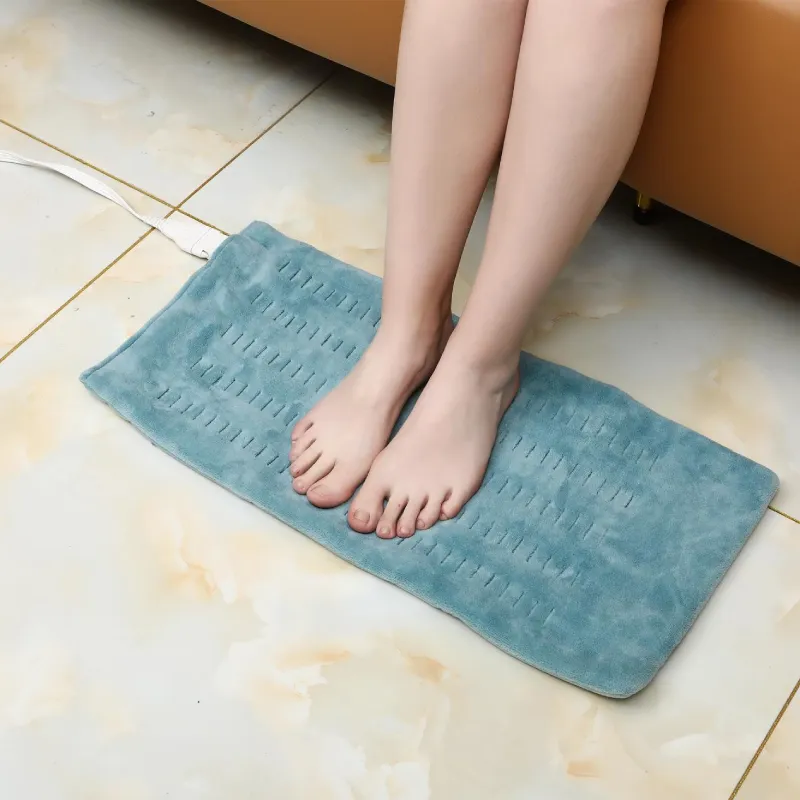
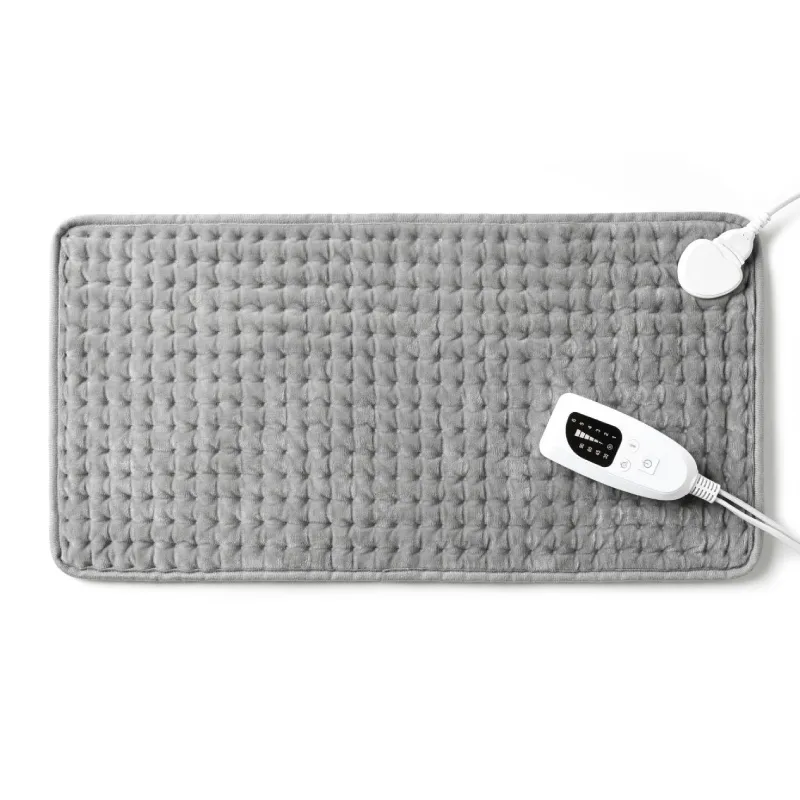
Simply put, economical electric blankets are low-energy heating pads designed to be used directly on or under bedding. Unlike conventional heaters that warm entire rooms, these blankets provide personalized warmth by focusing heat where it matters most—around your body. They incorporate thin, insulated electric wires embedded within soft fabric layers, maintaining comfort and safety.
In modern industry, their role goes beyond homes. Humanitarian agencies deploy economical electric blankets to offer immediate warmth in disaster zones or refugee camps where power access is limited. Industrial settings leverage them to protect workers from cold exposure and to maintain equipment temperatures without excessive energy waste.
Core Components and Key Factors Behind Economical Electric Blankets
1. Energy Efficiency
Designed to use minimal wattage, these blankets often consume between 40 to 100 watts, vastly lower than space heaters which can exceed 1500 watts. Smart thermostatic controls adjust temperature dynamically, avoiding constant power draw and ensuring user comfort while sparing electricity bills.
2. Safety Features
Overheat protection, automatic shutoff timers, and double-insulated wiring are standard safety mechanisms. These reduce fire risks and give users peace of mind, especially when used overnight.
3. Durability and Washability
Materials have improved radically, with waterproofed zones and robust wires allowing safe machine washing. Naturally, durable products last longer, balancing upfront costs with lifetime value.
4. Material Comfort
Soft polyester, fleece, or microfiber outer layers provide tactile comfort, critical because this is a blanket after all—not a heating appliance. Lightweight but warm, they encourage regular usage in target markets.
5. Adjustable Heat Settings
A hallmark of user-friendly electric blankets is multi-level heat controls—commonly 3 to 5 settings—which allow personalized warmth. Some advanced models integrate smartphone controls or timers for convenience.
Practical Global Uses & Success Stories
In post-disaster relief efforts, agencies like the Red Cross have supplied economical electric blankets to refugees, providing safe, reliable heating without taxing fragile power systems. In cold-climate countries like Sweden and Canada, many households adopt these blankets to supplement underfloor heating or reduce heating system runtime, achieving monthly savings during harsh winters.
Industrial facilities in remote mining towns rely on these blankets to help workers stay warm during shifts, especially when central heating is impractical or costly. For elderly care centers, economical electric blankets improve patient comfort while keeping facility energy consumption in check.
Product Specification Table
| Specification | Typical Range/Value | Notes |
|---|---|---|
| Power Consumption | 40–100 Watts | Lower than space heaters |
| Heat Settings | 3 to 5 Levels | Adjustable temperature control |
| Safety Features | Overheat Protection, Auto Shutoff | Critical for overnight use |
| Material | Polyester/Fleece/Microfiber | Soft, comfortable outer layers |
| Washability | Machine-washable | Wiring protected for durability |
Comparing Leading Vendors of Economical Electric Blankets
| Brand | Price Range | Safety Certifications | Unique Features |
|---|---|---|---|
| CozyHeat | $30–$60 | UL, CE | App control, fast preheat |
| ThermaSoft | $40–$70 | UL | Extra-large sizes, lightweight |
| EcoWarm | $35–$65 | CE, RoHS | Eco-friendly fabrics, low EMF |
Advantages and Enduring Value of Economical Electric Blankets
- Cost Savings: Targeted heating reduces energy bills significantly over time.
- Sustainability: Lower power consumption means fewer carbon emissions, aligning with global environmental efforts.
- Comfort & Safety: Personalized warmth reduces risk of cold-related health issues; advanced safety features build strong user trust.
- Social Impact: Vital in relief programs and low-income households, preserving dignity and well-being.
There’s an emotional comfort too, knowing you’re warming yourself efficiently without guilt. It feels smarter, kinder to the planet—and that nudges many users toward adoption.
Looking Ahead: Future Trends in Economical Electric Blankets
Innovation is buzzing in green energy integration and digitalization. Imagine blankets powered partly by solar panels, or equipped with AI that learns your preferred settings and outdoor temperature to optimize usage automatically. There’s also a push for biodegradable, sustainable textiles, reducing landfill waste at product end-of-life.
Automation in manufacturing now allows precise temperature controls at lower costs than ever, making economic electric blankets more accessible worldwide. Policy incentives for energy-efficient devices also encourage broader adoption.
Challenges in Current Use and Possible Fixes
Despite their strengths, some challenges remain. Misinformation about electric blanket safety sometimes deters prospective users. Others worry about electromagnetic fields (EMF), though modern low-EMF designs alleviate most concerns.
Another sticking point is wiring durability—thicker wires improve longevity but add weight and reduce flexibility. Manufacturers are exploring new conductive threads and coatings to solve this balancing act. Finally, not all blankets are equally washable or stain-resistant, which affects hygiene and product lifespan. Consumer education and standards enforcement help here.
FAQ: Frequently Asked Questions About Economical Electric Blankets
- Are economical electric blankets safe to use overnight?
- Yes, most models include safety features like automatic shutoff and overheat protection to prevent accidents. However, always choose certified products and follow manufacturer guidelines for added safety.
- How much can I save on heating costs by using an electric blanket?
- Energy savings vary, but many users report up to 30-50% lower heating bills during colder months when supplementing with an electric blanket instead of heating entire rooms.
- Can I wash a heated electric blanket in a washing machine?
- Many contemporary blankets are machine washable, thanks to waterproofed wiring. Always check the care label; disconnect control units and follow instructions carefully for safe cleaning.
- Are they suitable for people with electric sensitivity?
- Modern economical electric blankets are designed to minimize EMF emissions. If you have specific health concerns, consider low-EMF certified products and consult your physician before use.
- Can these blankets be used in emergency relief settings?
- Absolutely. Their low power needs and portability make them perfect for disaster relief, refugee camps, or remote areas with limited power infrastructure.
Conclusion
Economical electric blankets offer a smart, sustainable, and cost-effective way to keep warm across diverse environments—from your cozy home to crisis zones. Their targeted heating, safety features, and expanding innovations promise not just comfort but a significant step towards responsible energy use worldwide.
For those curious to explore comfort options that respect both wallets and the planet, I highly recommend checking out economical electric blankets. Staying warm just got a lot smarter.
References:
1. International Energy Agency (IEA). World Energy Outlook 2023. https://www.iea.org
2. United Nations Sustainable Development Goals - Goal 7 Affordable and Clean Energy. https://sdgs.un.org
3. Wikipedia - Electric blanket safety and efficiency. https://en.wikipedia.org/wiki/Electric_blanket
-
Ultimate Guide to Choosing the Best electric heating pad for bed
Apr.16,2026
-
Ultimate Guide to Choosing the Best Stomach Heat Pad for Pain Relief
Apr.09,2026
-
Comprehensive Guide to Heating Pad for Back Pain Relief and Effective Therapies
Apr.07,2026
-
Experience Ultimate Comfort with a Portable Heated Floor Mat for Cozy Warmth
Apr.04,2026
-
Discover the Benefits of Wrap Heat Packs for Soothing Pain and Warmth
Mar.31,2026
-
Effective Relief with an Electric Heat Pad for Period Pain and Discomfort
Mar.28,2026